



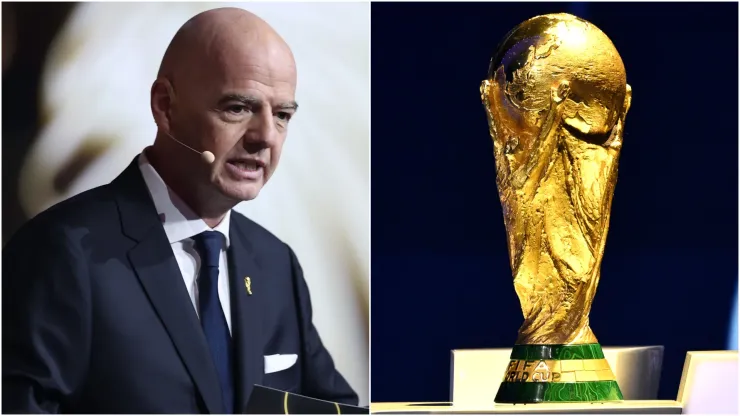
Unlike previous editions, FIFA has made a significant change for the 2026 FIFA World Cup by increasing the number of national teams from 32 to 48. Consequently, the tournament will now feature 12 groups instead of the 8 groups seen in recent editions. With only a few months remaining before the tournament kicks off, the 2026 FIFA World Cup Final Draw already established the final groups under this new format.
To ensure balanced competition in the groups for the 2026 World Cup, FIFA decided to organize the final draw by dividing national teams into four pots. Pot 1 includes the three hosts—United States, Mexico, and Canada—along with the nine highest-ranked teams: Spain, Argentina, France, England, Brazil, Portugal, Netherlands, Belgium, and Germany. Moreover, Pots 2-4 are fulfilled with the other national teams.
As the 2026 World Cup approaches, FIFA aimed to prevent teams from the same confederation from being placed in the same group, with an exception for UEFA, which may have up to two teams in a group due to its 16 national teams. Following an extensive final draw, the official groups have already been determined ahead of the much-anticipated tournament with an highly anticipated inaugural game.
Full 2026 FIFA World Cup groups revealed in surprising draw
Although six national teams still need to secure their spots in the 2026 FIFA World Cup, we already know the complete groups that will kick off the tournament on June 11, 2026. With the rule that no two national teams from the same confederation can share a group, few groups have emerged as particularly dangerous. Nonetheless, some matchups may prove to be decisive. Here are the complete groups:
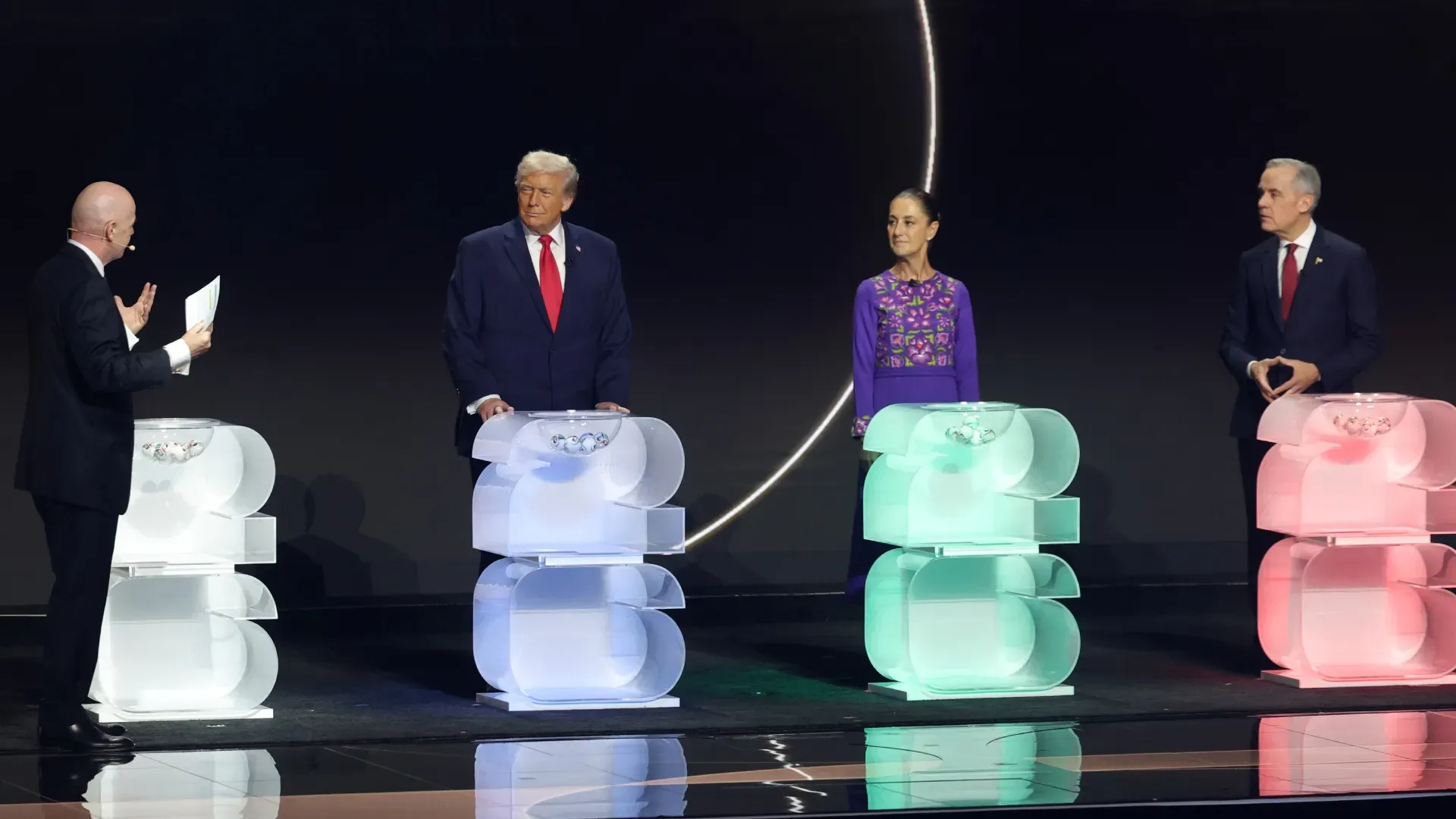
U.S. President Donald Trump, Claudia Sheinbaum, President of Mexico, and Mark Carney, Prime Minister of Canada, stand on stage.
| National Teams | |
| Group A: | Mexico, Korea, South Africa and Winner Playoff D (Denmark, North Macedonia, Czechia, Ireland). |
| Group B: | Canada, Winner Playoff A (Italy, Northern Ireland, Wales, Bosnia & Herzegovina), Qatar and Switzerland. |
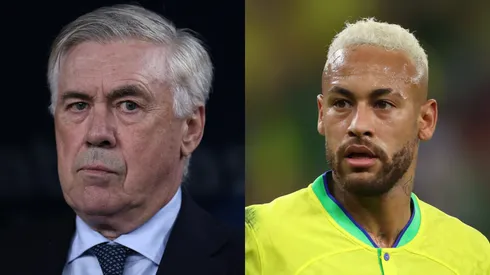
| Group C: | Brazil, Morocco, Haiti and Scotland. |
| Group D: | United States, Paraguay, Australia and Winner Playoff C (Türkiye, Romania, Slovakia, Kosovo). |
| Group E: | Germany, Curaçao, Ivory Coast and Ecuador. |
| Group F: | Netherlands, Japan, Winner Playoff B (Ukraine, Sweden, Poland, Albania) and Tunisia. |
| Group G: | Belgium, Egypt, Iran and New Zealand. |
| Group H: | Spain, Cape Verde, Saudi Arabia and Uruguay. |
| Group I: | France, Senegal, Winner Intercontinental Playoff 2 (Bolivia, Suriname, Iraq) and Norway. |
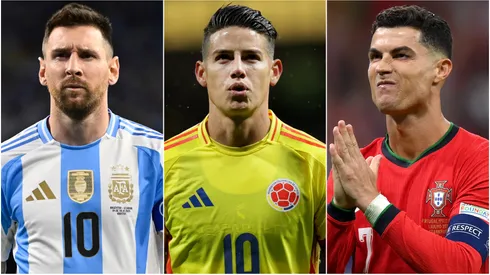
| Group J: | Argentina, Algeria, Austria and Jordan. |
| Group K: | Portugal, Winner Playoff 1 (Jamaica, New Caledonia, DR Congo) Uzbekistan, Uzbekistan and Colombia. |
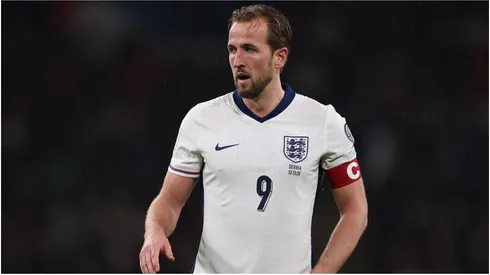
| Group L: | England, Croatia, Ghana and Panama. |
Key 2026 World Cup fixtures that could reshape the tournament
Unlike previous editions of the tournament, few groups stand out as formidable this year. However, Group I presents a notable exception, featuring teams like France, Senegal, and Norway, all of whom have made significant strides in recent years. As a result, this group promises some very exciting matches. However, this group is not the only one that stands out.

see also
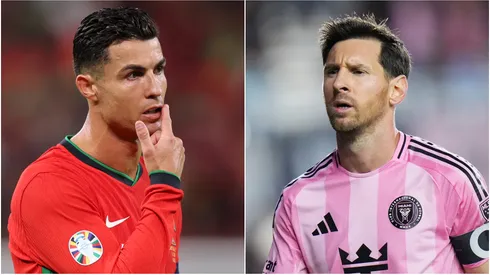
When could Messi’s Argentina and Cristiano Ronaldo’s Portugal face each other after the 2026 World Cup draw?
Group L, with its impressive form, could also significantly influence the 2026 World Cup. England, Ghana, and Croatia are all competing at an exceptional level. Each team boasts a highly competitive squad, promising a fierce battle to secure a spot in the second round. Similarly, Group C might emerge as a game-changer. Brazil, Morocco, and Scotland excelled in the qualifiers, and if they sustain their performance, they will create a highly competitive environment.