


Riding an unprecedented wave of hype as co-hosts of the 2026 World Cup, the USMNT is looking to make a massive splash on home soil. But as it aims to forge a legacy-defining moment, the same questions continue to echo: Has the U.S. ever actually won it all, and what does its historical track record really look like?
The United States national team arrived at the tournament as one of the co-hosts alongside Canada and Mexico, carrying the hopes of a country where soccer continues to grow rapidly. With a talented generation of players and increased investment in the sport, the national team believes this could be the opportunity to achieve something historic.
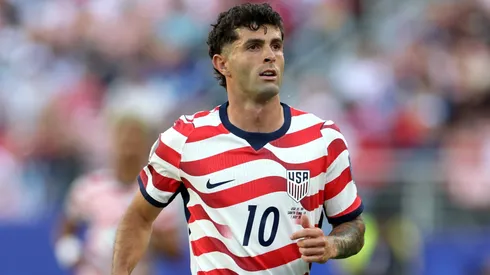
In fact, there is a growing belief that the 2026 squad could be the most talented American team ever assembled. Many of the national team’s key players are competing at major European clubs and arriving with valuable experience. First and foremost, Christian Pulisic remains the face of the generation after establishing himself as a top-level attacker with Milan.
The forward has become one of the most important American players in history and will be expected to lead the attack during the tournament. Folarin Balogun also entered the competition as a major attacking option after a strong period at Monaco, while Weston McKennie continues to provide energy and quality in midfield with Juventus.
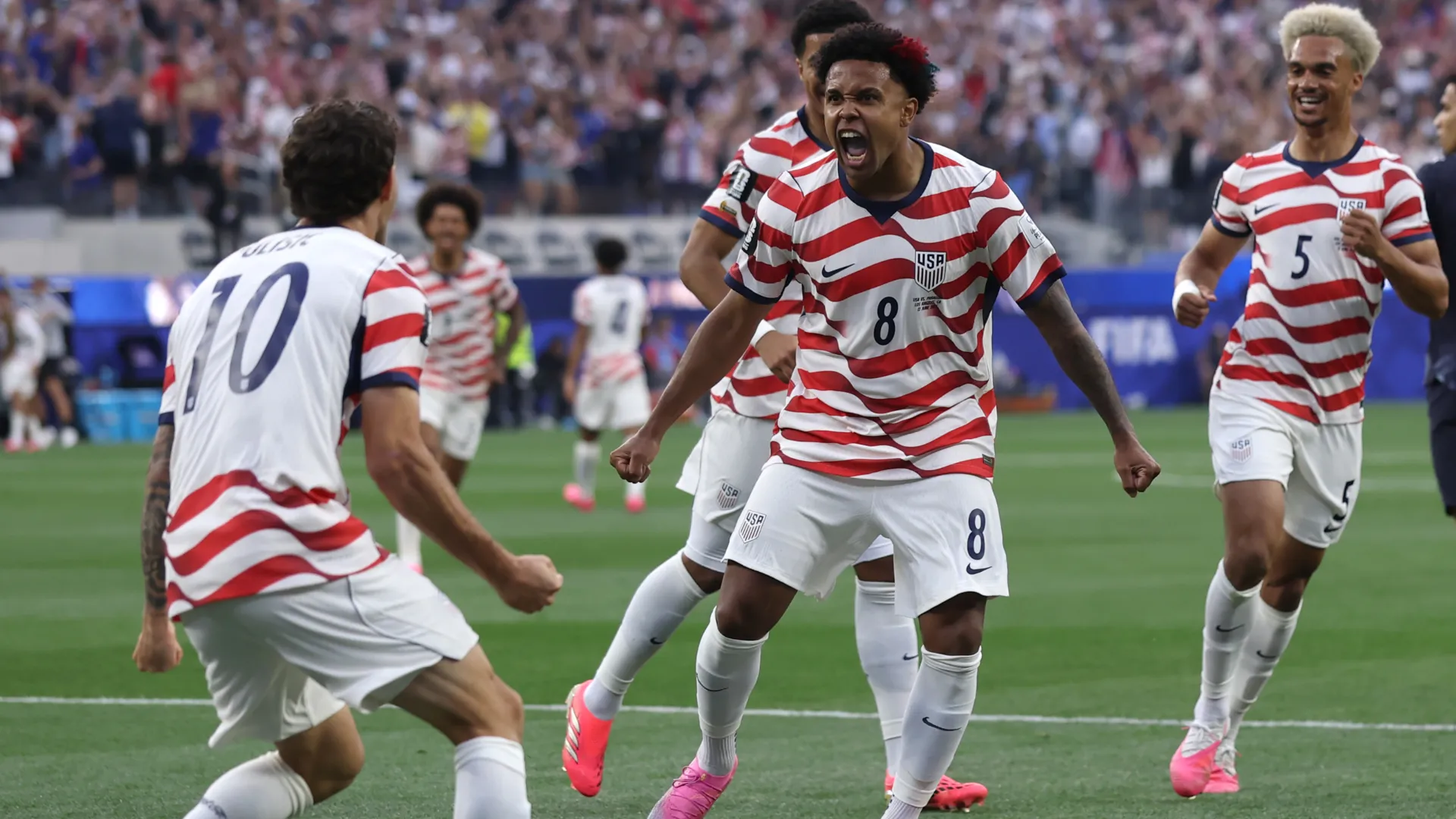
Christian Pulisic #10 and Weston McKennie #8 of the United States celebrate a goal.
Defensively, Chris Richards has developed into one of the most reliable American defenders in Europe. His performances at Crystal Palace have made him a key figure for the national team. The squad also includes experienced players such as Tyler Adams and Tim Ream, giving the team a balance between youth and leadership.
The USMNT’s World Cup history and biggest achievements
The United States has never lifted the FIFA World Cup trophy. The closest the USMNT has come came during the very first tournament in 1930, when the national team reached the semifinals and finished third in the competition.
That achievement came during a completely different era of international soccer. The 1930 tournament featured only 13 teams and no official third-place playoff match, but FIFA recognizes the United States as the third-ranked team from that historic competition.
After that early success, the USMNT experienced a long period of struggle on the global stage. Between 1954 and 1986, the national team failed to qualify for the World Cup, creating a 32-year absence from soccer’s biggest tournament.
| Year | Host Nation | Finish / Stage Reached |
| 1930 | Uruguay | Third Place |
| 1934 | Italy | Round of 16 |
| 1950 | Brazil | Group Stage |
| 1954–1986 | N/A | Did Not Qualify |
| 1990 | Italy | Group Stage |
| 1994 | United States | Round of 16 |
| 1998 | France | Group Stage |
| 2002 | South Korea / Japan | Quarterfinals |
| 2006 | Germany | Group Stage |
| 1930 | South Africa | Round of 16 |
| 2014 | Brazil | Round of 16 |
| 2018 | Russia | Did Not Qualify |
| 2022 | Qatar | Round of 16 |
The modern rise of American soccer began in the 1990s. The United States hosted the 1994 World Cup, reaching the Round of 16, and then achieved its strongest modern performance in 2002 by reaching the quarterfinals in South Korea and Japan.
During the 2002 tournament, the USMNT defeated Mexico 2-0 in the Round of 16 before losing narrowly to Germany in the quarterfinals. That squad remains one of the most celebrated teams in American soccer history.
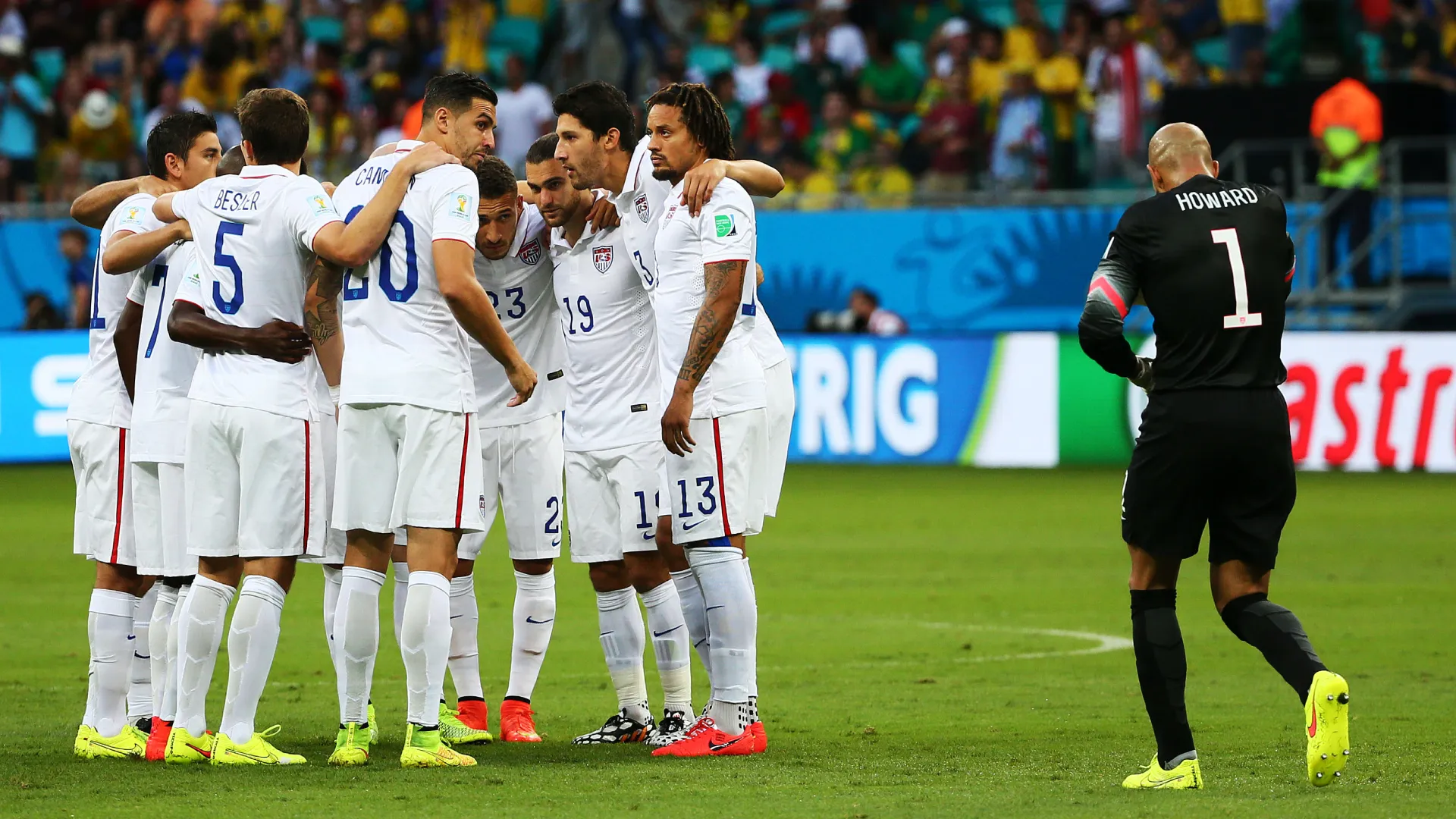
Tim Howard of the United States walks to huddle with his team during the 2014 FIFA World Cup
Can the USMNT finally make history?
The United States entered the 2026 World Cup with a realistic goal of surpassing its previous achievements. While winning the tournament would be a historic breakthrough, reaching beyond the quarterfinal stage would already represent a major step forward.
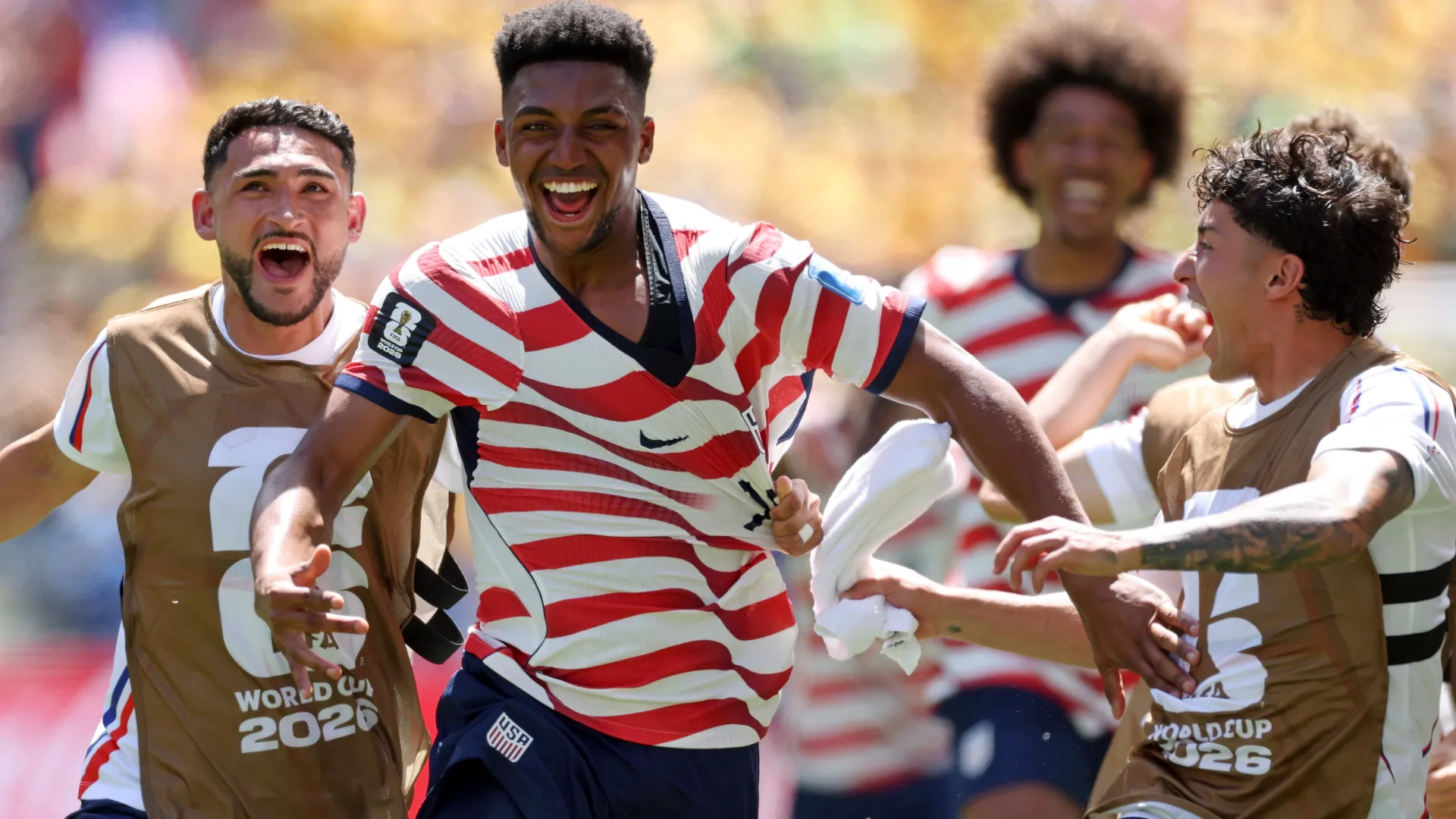
Alex Freeman #16 of the United States celebrates with teammates after scoring
The advantage of playing at home could also be crucial. Millions of American fans will experience the World Cup on domestic soil, creating an atmosphere the national team has rarely enjoyed before.
For decades, the USMNT has searched for a defining World Cup moment. The 2026 tournament could become the stage where American soccer moves from promising potential to genuine global competition.