





With the 2026 World Cup now just around the corner, FIFA is facing fresh scrutiny over a controversial issue that could dramatically affect matches during the tournament. Players, spectators, broadcasters, and tournament organizers are all beginning to worry that matches featuring some of the world’s top national teams may be delayed for long periods of time.
The tournament, which will be hosted across the United States, Canada, and Mexico, is expected to be the largest World Cup in history. However, attention is increasingly turning toward a regulation that could leave stadiums waiting for hours before matches are allowed to continue.
The expanded 48-team World Cup is expected to attract unprecedented global attention, yet organizers are facing scrutiny over how weather interruptions will be managed. Summer conditions across several host cities are known for producing intense thunderstorms, particularly in the eastern and southern parts of the United States.
The concern is not hypothetical. During recent international competitions hosted in the country, several matches were interrupted by severe weather, forcing players and supporters into lengthy waiting periods before games could resume.
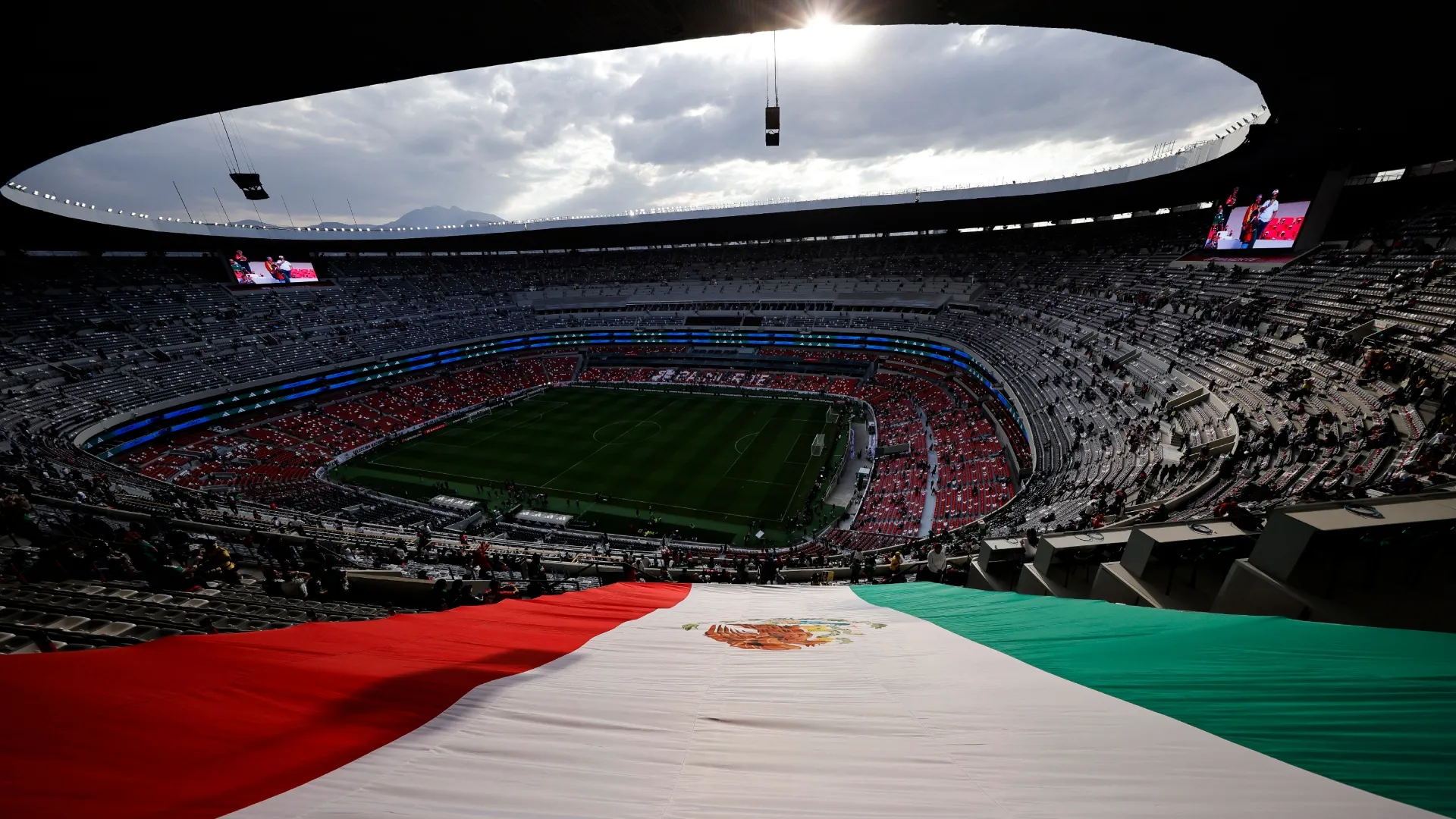
Estadio Azteca will host the opening match of the 2026 FIFA World Cup.
FIFA has repeatedly stressed that safety remains the priority. However, the governing body has also acknowledged that extreme weather could become one of the biggest operational challenges during the tournament.
FIFA’s rule behind the controversy
The issue stems from a strict U.S. safety protocol regarding lightning strikes near stadiums, as per The Athletic. Any match must be suspended immediately if lightning or electrical activity is detected within an eight-mile radius of the venue. Once play is stopped, a mandatory 30-minute countdown begins before a match can restart.
The complication arises when another lightning strike is detected during that waiting period. In those situations, the 30-minute timer is reset back to zero, meaning matches can remain suspended indefinitely until there has been a full 30-minute period without any nearby lightning activity.
Because FIFA cannot override local safety regulations, tournament officials would be required to follow the protocol regardless of scheduling pressures or television commitments.

FIFA President Gianni Infantino speaks about the 2026 World Cup with U.S. President Donald Trump
Why delays could become extremely long
The biggest concern is that FIFA currently has no fixed regulation specifying how long a suspended match can remain delayed before it must be abandoned. Instead, every situation is assessed individually. While that flexibility allows officials to adapt to unique circumstances, it also creates uncertainty for teams, fans, and broadcasters.
A prolonged thunderstorm moving repeatedly through a host city could trigger multiple timer resets, potentially extending delays for several hours. Such scenarios have already occurred in American sporting events and international soccer competitions.
The possibility of these lengthy interruptions has sparked debate among supporters, especially given the expanded tournament schedule and the increased number of matches that must be completed within a limited timeframe.
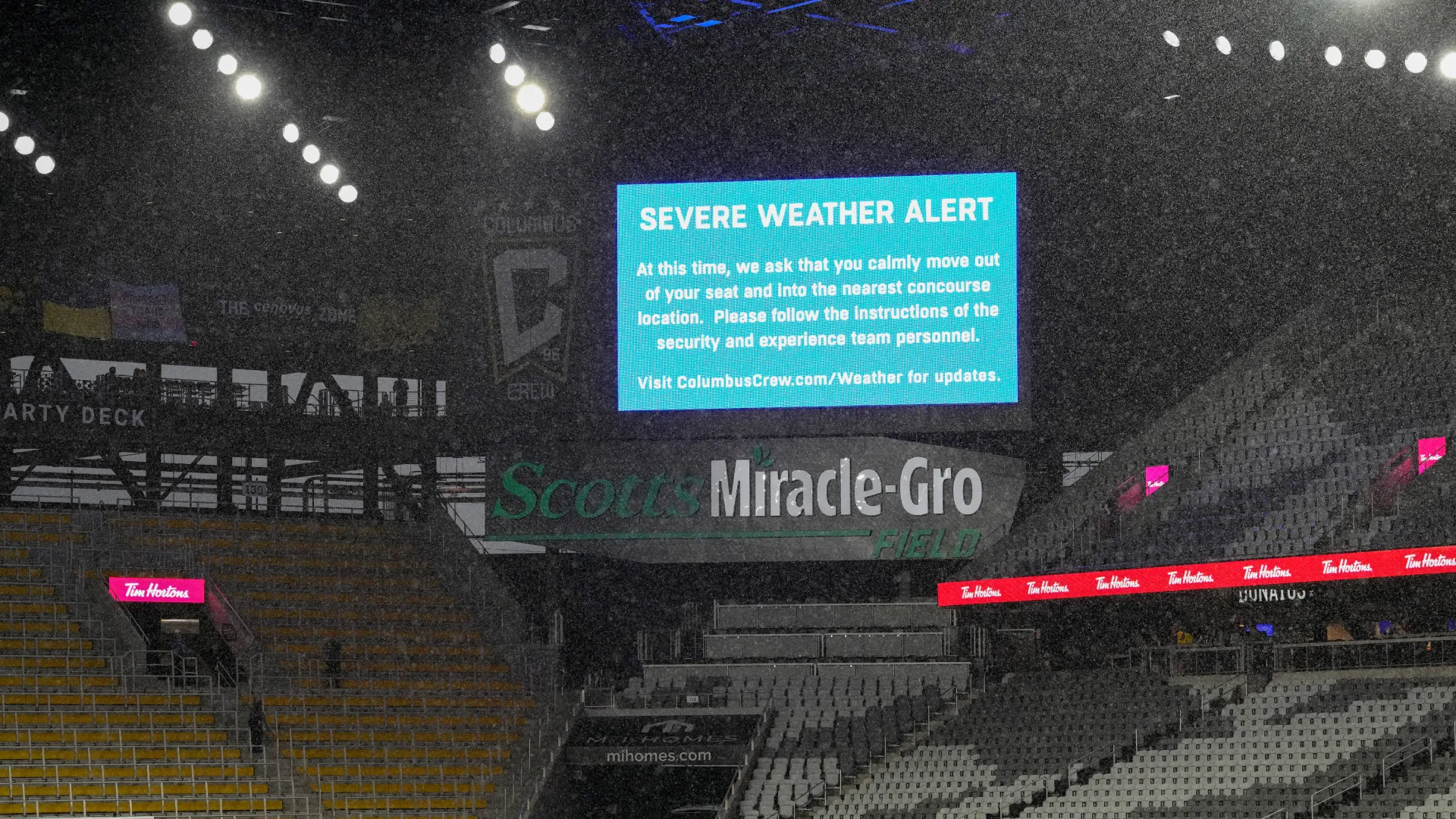
A general view inside the stadium with the video board displaying a severe weather alert delay prior an MLS match
What is FIFA’s response?
According to FIFA’s official statement: “FIFA’s emergency preparedness team meets regularly with national meteorological and emergency management authorities in the United States, Canada, and Mexico, as well as with partners across all 16 Host Cities.”
The governing body has emphasized that extensive planning has already taken place to address weather-related emergencies: “A comprehensive, tournament-wide preparedness exercise focusing on severe weather scenarios has further strengthened cross-agency coordination and operational readiness.”
FIFA also confirmed that host venues must maintain evacuation procedures and severe-weather protocols that comply with local regulations and international safety standards. In addition, officials will monitor conditions continuously using real-time weather surveillance systems and heat-monitoring technology throughout the tournament.