





While players, coaches, and fans are currently focused on the 2026 FIFA World Cup, important decisions are already being made at the administrative level for the 2030 edition. Spain appear to have pulled ahead of Portugal and Morocco.
The 2030 World Cup will mark the 100th anniversary of the tournament, which was first held in Uruguay in 1930 and won by the hosts. To commemorate this milestone, FIFA is preparing its most ambitious edition yet: six countries across three continents will host matches.
Some opening-stage games will take place in South America to honor the first tournament, specifically in Uruguay, Argentina, and Paraguay. After that, the competition will move entirely to the three main hosts: Spain, Portugal, and Morocco.
In this context, it’s natural that the host nations are competing for as many matches as possible, especially the most high-profile ones. The 2030 World Cup final has been at the center of speculation for months, and now a clear favorite seems to have emerged.
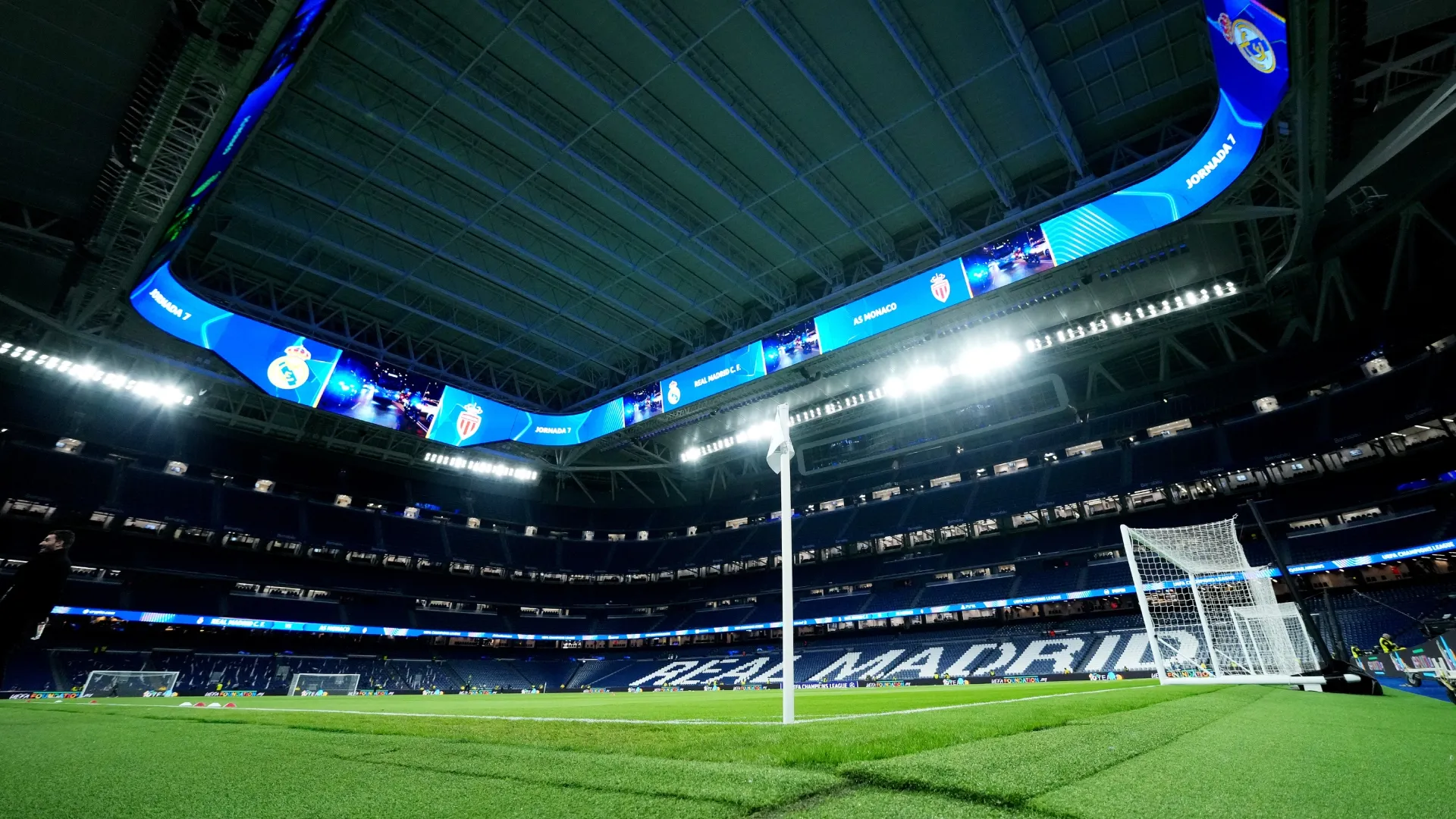
A general view of the Santiago Bernabeu stadium in Madrid.
“Spain will lead the World Cup, and the final will be held here,” Rafael Louzan, president of the Royal Spanish Football Federation, said during the Madrid Sports Press Association gala, according to Marca. These comments appear to put rumors to rest, particularly those suggesting Morocco wanted to host the final at the new Hassan II Stadium.

see also
Report: Ancelotti reunion with FIFA president Infantino could put Brazil in line to host 2029 Club World Cup
Which Spanish stadium could host the 2030 World Cup final?
If Rafael Louzan’s words reflect a decision already made by FIFA, the next question is which stadium in Spain will be chosen for the most important match in soccer in 2030.
There are two main options. One is Madrid’s Santiago Bernabeu, and the other is Barcelona’s Camp Nou. These choices align with the two major power centers of Spanish soccer, Real Madrid and FC Barcelona, making the decision far from simple.
Both stadiums will enter 2030 in upgraded form. The Santiago Bernabeu underwent a series of renovations between 2019 and 2024 that improved amenities and increased capacity to 83,000 spectators. The same is happening at Camp Nou, which has been under construction since 2023 and is expected to reach a total capacity of 105,000 spectators once completed.
Spain’s previous experience hosting the World Cup
The only precedent is the 1982 World Cup, the only edition Spain has hosted. At that time, Barcelona hosted the opening match between Argentina and Belgium, while the Santiago Bernabeu staged the final, in which Italy defeated West Germany 3-1.
That solution satisfied both cities reasonably well, giving one the first match of the tournament and the other the last. However, that formula likely won’t apply in 2030, as the opening match will probably take place in South America.