



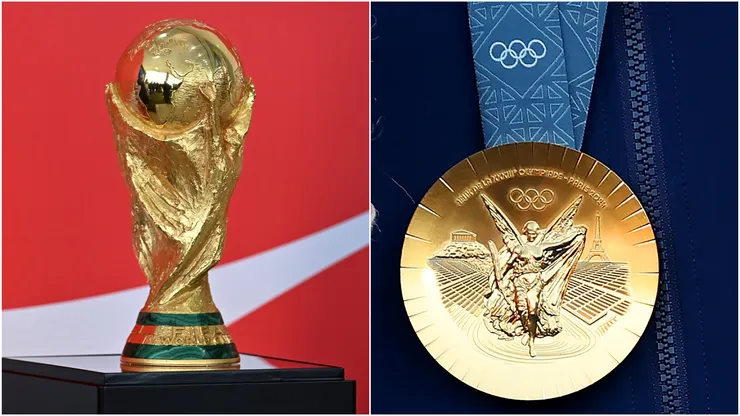
It is undeniable that the FIFA World Cup is the most important sporting event on the planet and, as such, the most prestigious soccer competition. The Olympics have traditionally played a secondary role in the sport, but that could change in the near future.
“Soccer is the most important sport,” said Juan Antonio Samaranch Jr., vice president of the International Olympic Committee, this week at La Liga headquarters in Madrid, according to Diario AS. “We want the senior men’s competition to more closely resemble the World Cup.”
In many disciplines such as basketball, volleyball, handball, and field hockey, the Olympics represent the most important international tournament, even above each sport’s respective world championships. That is not the case with soccer, and the IOC’s goal is to make the competition more appealing.
At present, the key difference between Olympic soccer and the World Cup is the availability of top players. FIFA reserves the presence of the sport’s biggest stars for its own tournament, while the Olympics imposes an under-23 age limit, with only three overage players allowed per squad.
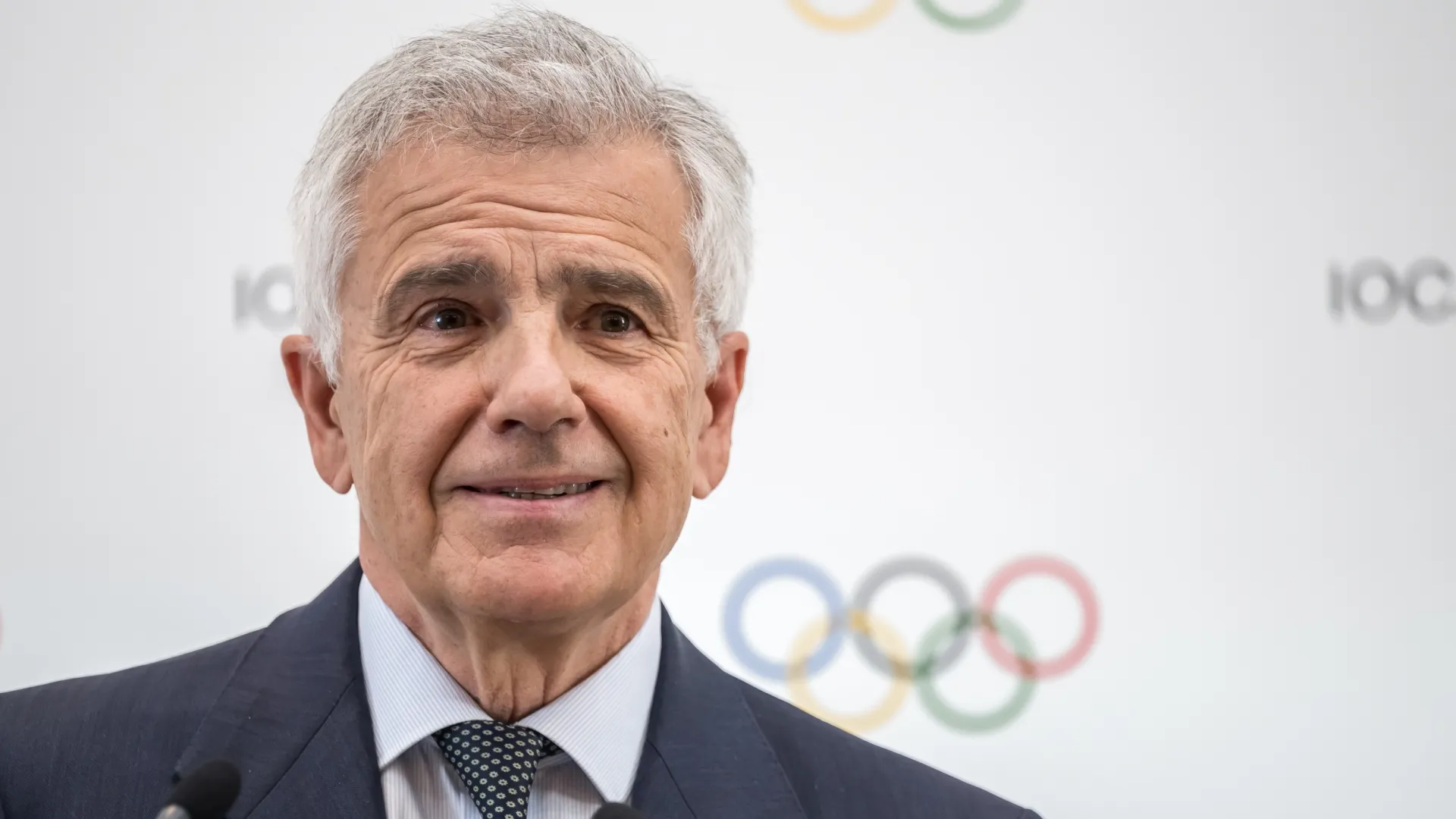
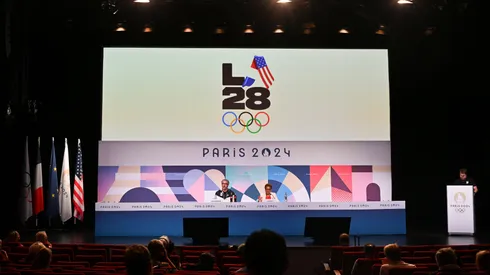
Juan Antonio Samaranch Jr, vice president of the International Olympic Committee.
By removing that age limit, the Olympics could significantly raise the level of competition by featuring each country’s top players. However, such a move would require an agreement between the IOC and FIFA. “Both organizations have their own objectives, but I believe we will make meaningful progress toward achieving them,” Samaranch said.

see also
Gianni Infantino’s FIFA announces record $871M financial distribution for 2026 World Cup participants
Club release obligations, another obstacle for the Olympics
Beyond the age restriction, Olympic soccer faces another major challenge in becoming more competitive: clubs are not required to release players. In official FIFA competitions, clubs must allow players to join their respective national teams. These are the so-called international breaks, during which World Cups, qualifiers, friendlies, and continental tournaments such as the UEFA Euro, Copa America, and Concacaf Gold Cup are played.
Outside of those FIFA windows, clubs are not obligated to release players for international duty. That is the case with the Olympics, where participation often depends on the player’s insistence and the club’s approval.
IOC proposal faces resistance
Initial reactions from figures within FIFA’s hierarchy have not been favorable toward the idea of removing the age restriction in Olympic soccer. “It would further overload the calendar, reduce club revenues, and affect players’ rest,” said Javier Tebas, president of La Liga, according to Diario AS, regarding the possibility of elevating the Olympics. “It is fine as it is—it should not be like a World Cup.”