
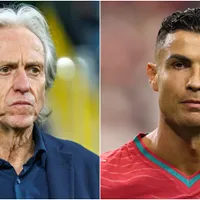

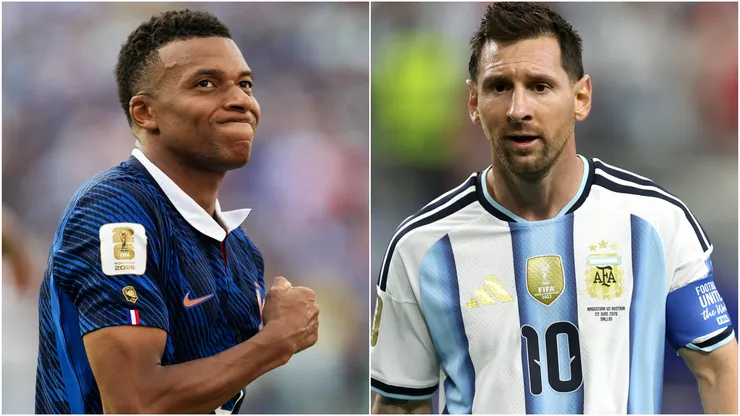
Lionel Messi continues to rewrite World Cup history as Argentina secured a dramatic 3-2 extra-time victory over Cape Verde, with the captain surpassing both Pele and Kylian Mbappe in another remarkable achievement. The defending champion needed every ounce of its experience to overcome a spirited opponent, and the victory ensured a place in the Round of 16, where Argentina will face Egypt on July 7. While the match itself was filled with twists and turns, it also became another unforgettable chapter in Messi’s legendary international career, with even more historic milestones emerging during the contest.
Supporters around the world are still discovering the full extent of the history made in Miami, where Messi overtook Pele and Mbappe to set nine new World Cup records. Those accomplishments further strengthened his place among soccer’s greatest players and added another layer to an already extraordinary tournament.
Argentina entered the Round of 32 as the overwhelming favorite, but Cape Verde refused to make life easy for the reigning world champion. The 39-year-old opened the scoring in the 29th minute after being set up by Lisandro Martinez, yet Cape Verde responded twice to force extra time before an own goal from Diney Borges in the 111th minute finally separated the teams.
The dramatic 3-2 victory after extra time booked La Albiceleste’s place in the Round of 16, but it also highlighted the resilience of Cape Verde, which pushed one of the tournament favorites to its limits. The African debutant exited the competition with its reputation enhanced after producing one of the most memorable performances of the knockout stage.
Messi overtakes Pele and Mbappe in historic statistic
Messi’s first-half strike carried enormous historical significance beyond giving Argentina the lead. The goal increased his World Cup knockout-stage goal contributions to 12, made up of six goals and six assists, allowing him to move ahead of both Pele and Kylian Mbappe, who each recorded 11.
According to Opta: “With the opening goal against Cabo Verde, Lionel Messi has 12 goal contributions in the knockout rounds of the FIFA World Cup (6 goals, 6 assists), surpassing Pele and Kylian Mbappe (11 each) for the most since 1966.”
The record underscores Messi’s remarkable consistency on soccer’s biggest stage. Across multiple World Cups, he has repeatedly delivered decisive performances when the stakes have been highest.
The nine World Cup records Messi achieved
Messi’s latest performance produced far more than a single milestone. The Argentine captain established or extended nine separate World Cup records, further separating himself from many of the game’s greatest names.
Among the biggest achievements, he became the first player in World Cup history to reach 20 career goals, extending his lead over Mbappe in the tournament’s all-time scoring list. He also became the first player to score in eight consecutive World Cup matches, a streak unmatched in the competition’s history.
The captain also became the first player to reach 30 World Cup appearances, reflecting both his longevity and his sustained excellence across multiple tournaments. In addition, he became the first player to score at least seven goals in two different World Cup editions, repeating a feat he previously achieved in Qatar four years earlier.
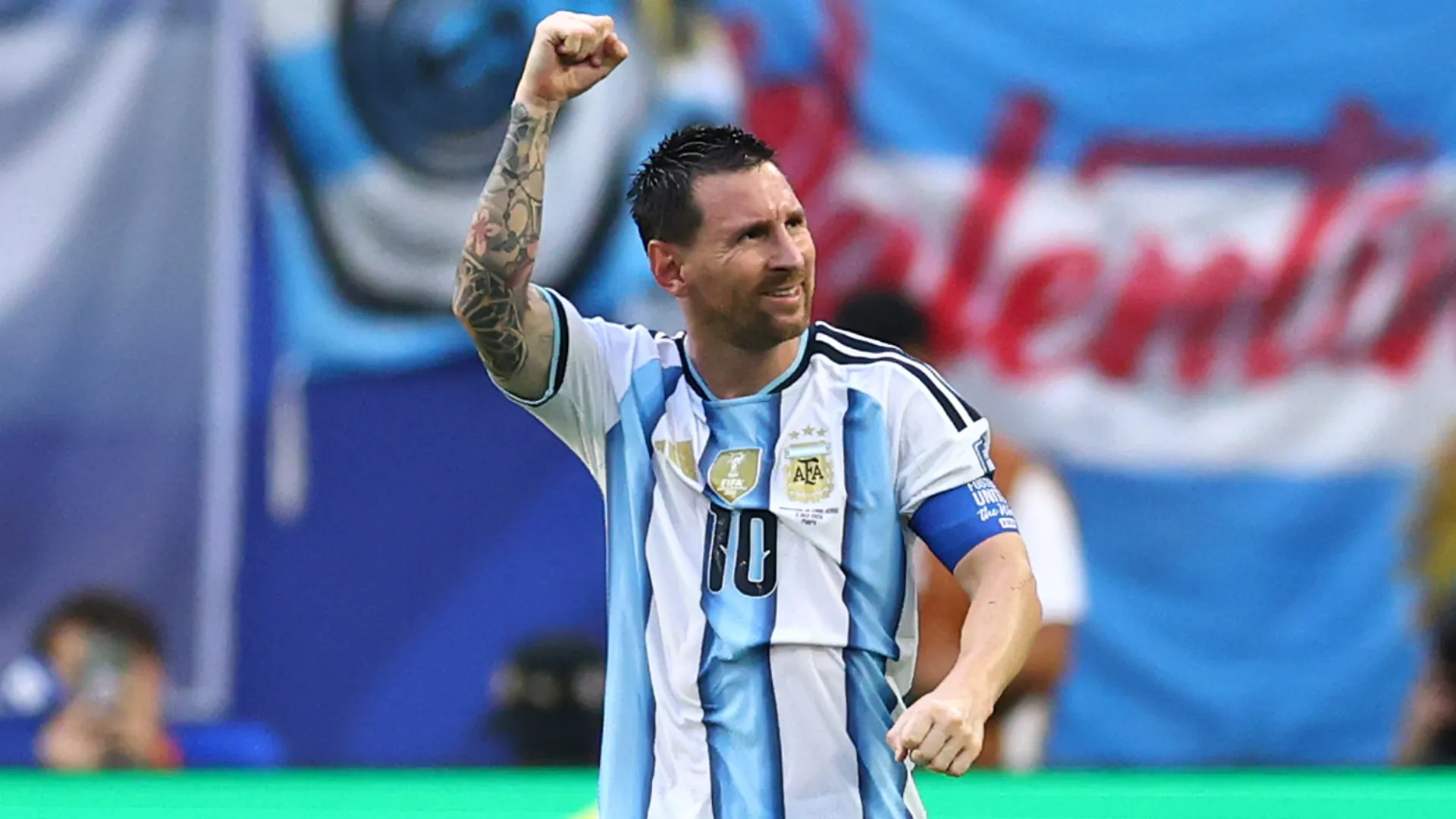
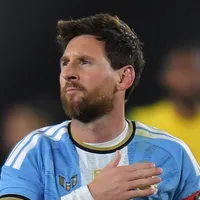
Lionel Messi celebrates a goal for Argentina.
Messi’s influence stretched well beyond goals. He became the first player since detailed records began in 1966 to score in five consecutive World Cup knockout matches, demonstrating his ability to deliver under the greatest pressure.
Another unique achievement came against African opposition, as the Argentina captain became the highest goalscorer against African national teams in World Cup history with seven goals. His latest performance also earned him a 14th Player of the Match award, extending his own tournament record.
One of the evening’s more unusual records involved Cape Verde goalkeeper Vozinha. At 39 years and nine days old, Messi scored past the 40-year-old goalkeeper, creating the highest combined age between a World Cup goalscorer and the goalkeeper beaten.