


Manchester United’s fanbase was left scratching their heads recently after an unexpected revelation from the club’s official megastore. As the Red Devils unveiled their kits for the 2025-26 season, supporters eager to relive the glories of the past by printing the names of legends like Cristiano Ronaldo, David Beckham, or Eric Cantona on the back of their shirts encountered a surprising obstacle. Their names, it turns out, are off-limits.
The revelation sparked heated discussions across social media, with many questioning how a club built on its iconic history could restrict access to the very players who helped shape it. The answer, however, lies in a little-known but crucial detail buried deep in commercial rights law.
The issue came to public attention when a fan named Simon Lloyd posted on X (formerly Twitter) after trying to customize a shirt for his son: “I took my son to buy his new shirt the other day. I had no idea the club couldn’t print Cantona, Beckham, or Cristiano Ronaldo on them,” he wrote, attaching a photo from the megastore that confirmed the restriction.
The bizarre reason: Commercial and licensing rights
According to a statement provided by Manchester United to The Sun, the restriction boils down to naming and image rights retained by the players themselves.“Manchester United confirmed that the three icons, Cantona, Beckham, and Ronaldo, own their image rights, which means the club cannot print their names on shirts at their megastore,” the publication reported.
This means that even though these players were once under contract with the club, and remain cherished by fans, they have retained commercial control over the use of their names for merchandising purposes — a decision that likely ties into the powerful global brands each has built post-retirement – or, in Ronaldo’s case, while still playing.
Why the club’s hands are tied
These naming rights function similarly to trademarks. Once a player leaves the club — and particularly once they become a commercial brand — the legal rights to their names shift from club control to the player or their business representatives.
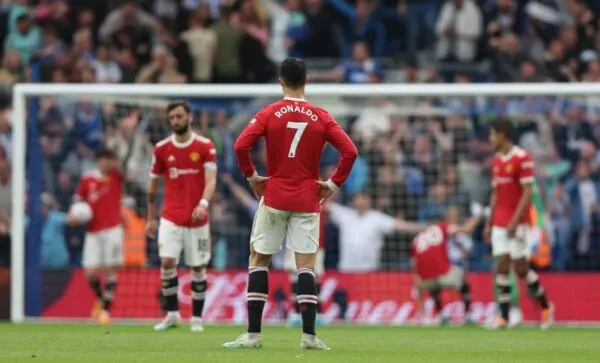
Cristiano Ronaldo, for example, has built the CR7 empire, which includes clothing, hotels, gyms, and fragrances. His name isn’t just a name anymore — it’s a licensed brand. The same applies to Beckham, whose fashion and lifestyle ventures are carefully curated, and Cantona, who has long protected the use of his image post-retirement.
Printing their names would require a separate agreement with each of them — and potentially paying royalties or licensing fees. As of now, Manchester United has opted not to enter into such arrangements.