



Seventeen days after Argentina‘s 3-1 extra-time win over Switzerland in the 2026 World Cup quarterfinals, the International Football Association Board has admitted there was an error in the red card shown to Breel Embolo during that match.
The Swiss forward was sent off in the 72nd minute after a VAR review resulted in a second yellow card for simulation, a decision that shifted the momentum of the game.
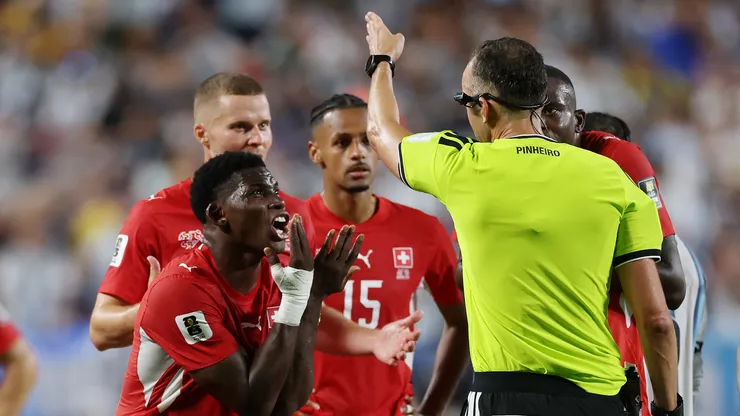
The sequence began when referee Joao Pinheiro had booked Leandro Paredes, believing he had committed a foul on the Swiss forward. The play was reviewed under the “mistaken identity” concept, but upon noticing how blatant the simulation was, the Portuguese official showed Embolo the second yellow card, something that, according to the governing body of the Laws of the Game, was mistaken.
In a circular published on Tuesday, the governing body clarified that a yellow card, when it isn’t already a second yellow, can only be reviewed to correct the identity of the offending player, explaining the offense itself cannot be reviewed or altered once the identity has been fixed.
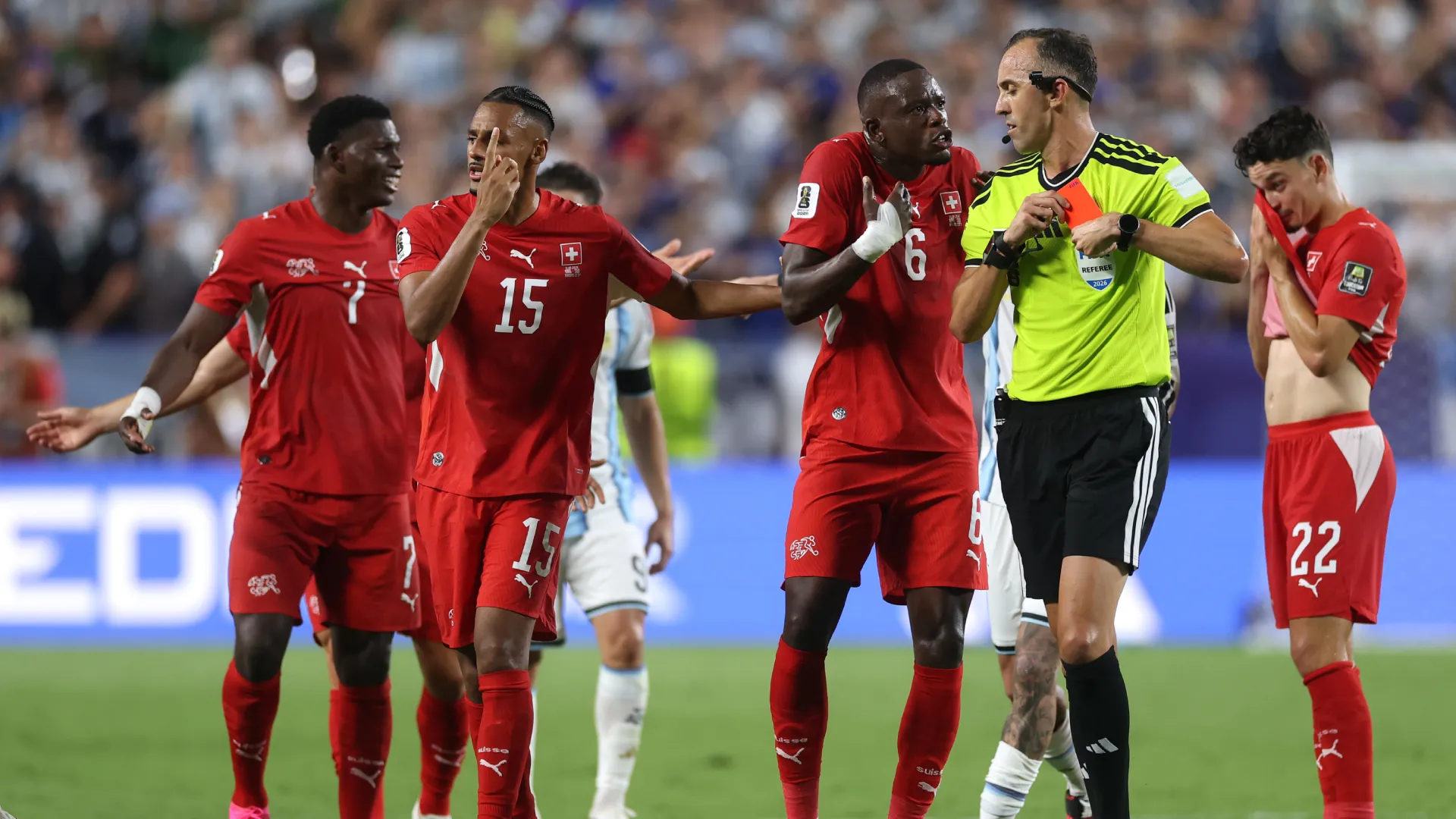
Referee Joao Pinheiro shows a red card to Breel Embolo #7 of Switzerland. (Getty Images)
That distinction is what made Embolo’s dismissal improper: the process was designed to fix who gets the card in case of booking someone who didn’t commit the foul, not to reclassify the type of infraction that led to it.

see also
Lisandro Martinez responds to ‘Anti-Argentina’ campaign and denies disrespecting Spain during World Cup celebrations
A similar situation happened earlier at the World Cup
A practically identical sequence played out earlier in the tournament, during the group stage clash between the United States and Paraguay. American defender Tim Ream was originally booked for a foul on Miguel Almiron, and VAR intervened to review the play.
Just as with Paredes and Embolo, the review corrected the identity of the offending player, Ream’s card was rescinded, and Almiron was booked instead for simulation. It’s the same mechanism the IFAB has now flagged as improperly applied in the Embolo case, underscoring that the issue wasn’t isolated to a single match.