



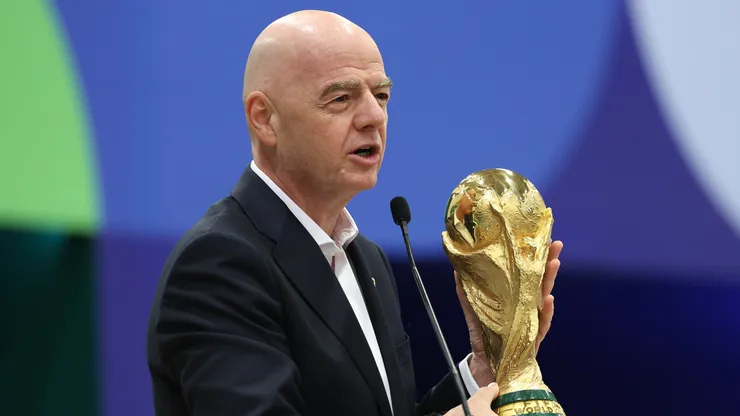
A relentless storm of controversy is battering FIFA President Gianni Infantino as explosive new allegations threaten to shake the very foundations of the beautiful game. Accusations linking the sacred hosting rights of the 2030 World Cup final to his bid for re-election have ignited a fierce global backlash. Amidst a growing rebellion from powerful soccer associations, Infantino’s embattled reign faces an unprecedented and perilous trial.
The latest reports have fueled debate across the global game, with the issue emerging just months before the next FIFA presidential election. While the controversy continues to unfold, the national team preparing to co-host the centenary tournament remains at the heart of the discussion, as officials and governing bodies offer sharply different accounts of what took place behind closed doors.
According to The Times, Infantino allegedly sought Morocco‘s public backing for his 2027 re-election campaign by offering the country the opportunity to stage the 2030 World Cup final at the under-construction 115,000-seat Hassan II Stadium in Casablanca.
The report stated that the FIFA president traveled to Morocco for emergency meetings after losing support from several major soccer associations. It also claimed that Saudi Arabia, traditionally one of Infantino’s strongest allies, had yet to publicly endorse his candidacy, increasing the importance of securing support elsewhere.
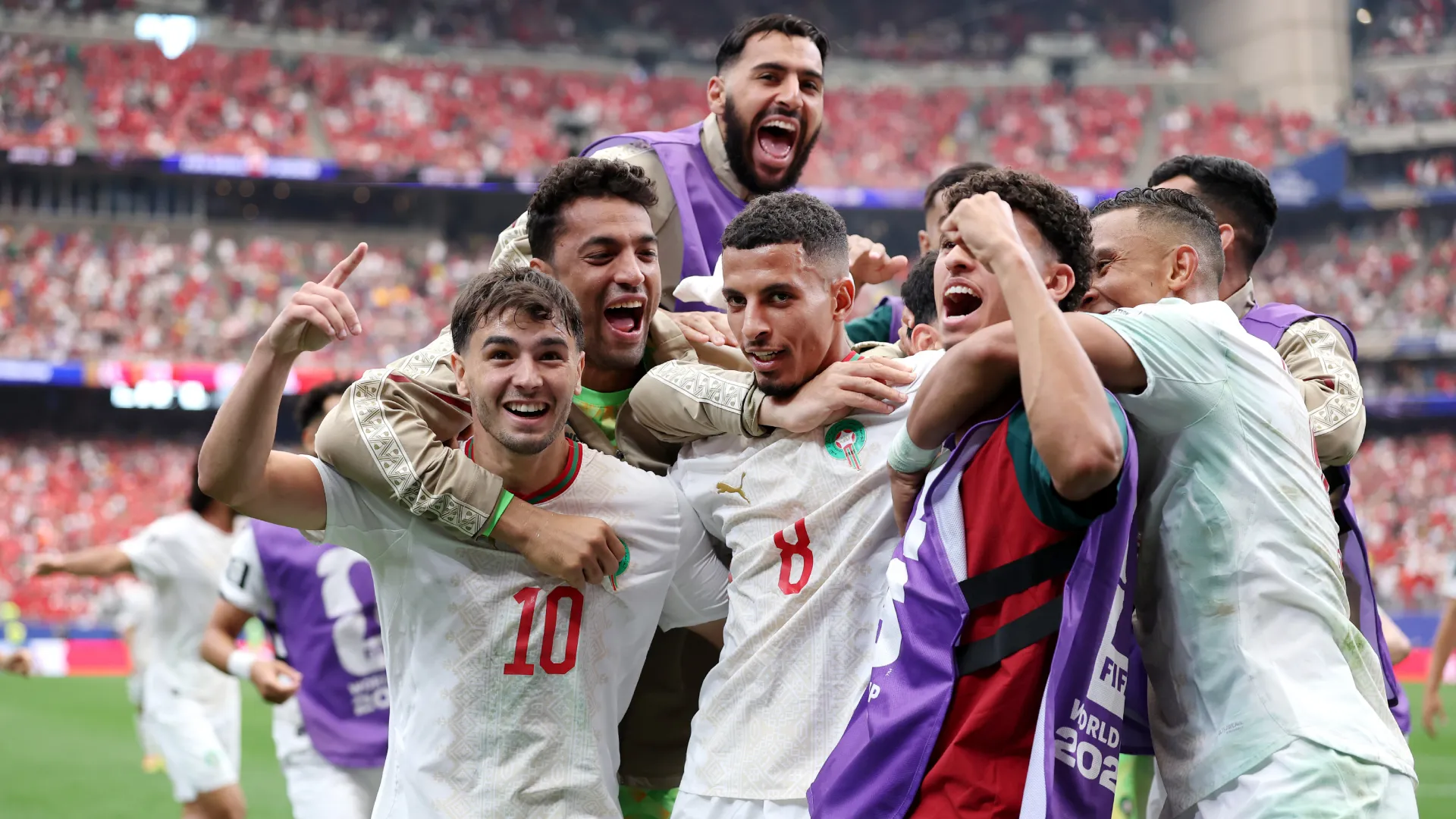
Azzedine Ounahi #8 of Morocco celebrates with teammates.
Multiple reports suggested that Infantino met senior officials from the Royal Moroccan Football Federation (FRMF) during his stay in Rabat as he attempted to reinforce political backing ahead of the FIFA Congress scheduled for March 2027.
Infantino’s presidency under growing pressure
The allegations arrive during what many observers describe as the most difficult period of Infantino’s presidency. His leadership has been heavily criticized following the collapse of FIFA Forward Enterprise, a controversial proposal that sought to sell up to 20% of the commercial rights associated with the FIFA World Cup to private investors in a deal reportedly worth $4.2 billion.
The proposal triggered widespread opposition from soccer stakeholders across the world, who argued that it risked commercializing the tournament beyond acceptable limits and undermining FIFA’s traditional non-profit model. Following intense backlash, FIFA abandoned the proposal, but criticism of Infantino continued to grow rather than disappear.
FIFA firmly rejects the allegations
As the story gathered momentum, FIFA released an official statement denying that any promises had been made regarding the 2030 World Cup final. The governing body stated: “It is false and misleading to claim the FIFA president has made any promise in relation to hosting the FIFA World Cup 2030 final. A decision will be made by FIFA in due course.”
The statement directly contradicted reports suggesting the hosting rights had become part of political negotiations surrounding the presidential election. Spanish soccer officials also insisted they had received no indication that plans for the final had changed, while Morocco’s federation reportedly denied knowledge of any formal agreement.
Spain continues to expect the final
The controversy also revived the long-running debate over where the 2030 World Cup final should be played. Spain has consistently argued that the showpiece match belongs on its soil, with Spanish Football Association (RFEF) president Rafael Louzan repeatedly insisting that the country remains the leading candidate to stage the centenary final.
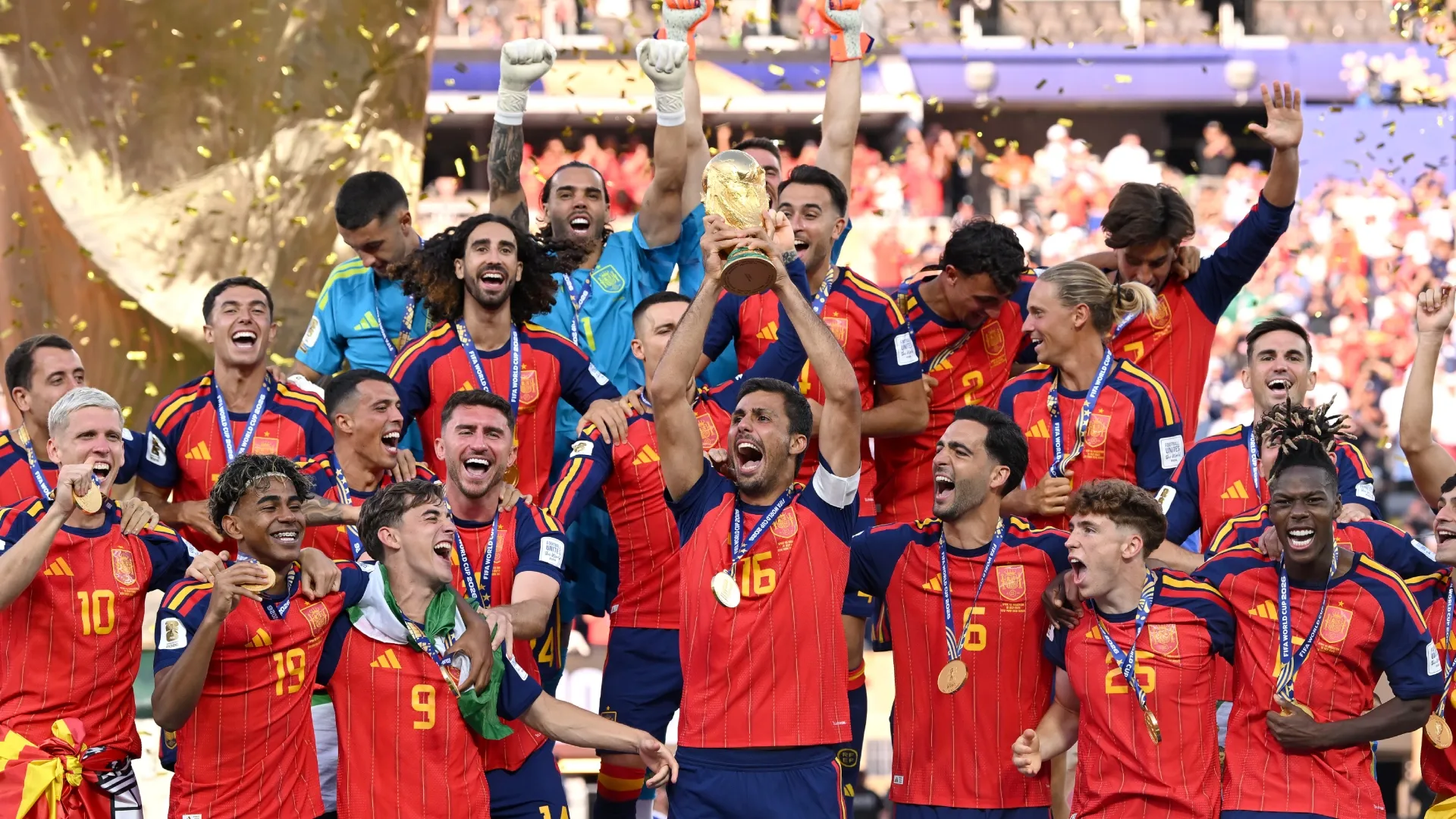
Rodri #16 of Spain lifts the FIFA World Cup Winner’s Trophy.
Spanish federation sources later reiterated that they did not know about the alleged offer, while several local reports quoted FIFA’s official denial as evidence that no decision has been taken. The 2030 tournament will be jointly hosted by Spain, Portugal and Morocco, while Uruguay, Argentina and Paraguay will stage the opening commemorative matches to celebrate the competition’s 100th anniversary.