
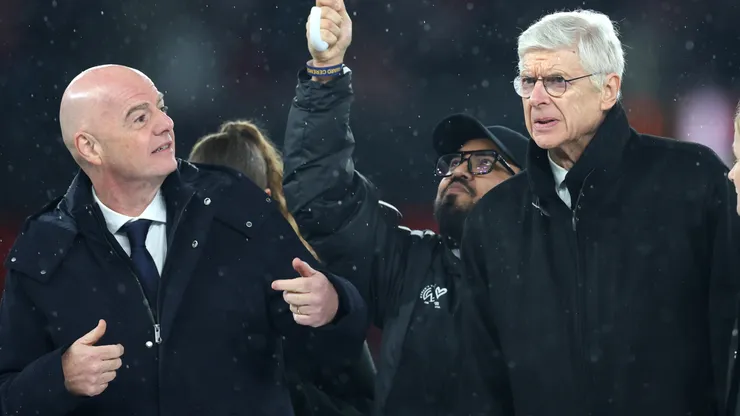
FIFA President Gianni Infantino is currently navigating a significant institutional controversy following the collapse of a major World Cup proposal due to widespread international criticism. The subsequent fallout represents one of the most substantial leadership challenges of his tenure. Influential figures, notably Arsene Wenger, have publicly questioned the organization’s strategic direction, with the Frenchman making a deliberate decision to distance himself from the initiative amid the ongoing administrative crisis.
The FIFA president’s attempt to introduce private investment into the World Cup’s commercial structure sparked an immediate backlash from soccer authorities around the world. While Infantino eventually abandoned the plan, the damage to his reputation and relationships with several national teams and confederations appears far from resolved.
The controversy began after Infantino pushed forward a proposal to create a new commercial entity known as FIFA Forward Enterprise (FFE), which would manage some of FIFA’s biggest revenue streams, including World Cup broadcasting rights, sponsorship deals and ticket sales.
The plan reportedly aimed to raise around $4.2 billion by selling approximately 20 percent of the company to private investors, based on a valuation of nearly $20 billion. However, the idea immediately divided soccer leaders, with many accusing FIFA of attempting to commercialize the sport’s biggest tournament without sufficient consultation.
Infantino then revealed in a statement that the proposal had caused too much disagreement among soccer stakeholders, so he decided it was better to abandon it rather than allow further divisions that could harm FIFA’s original goals. The FIFA president apologized for the controversy and confirmed the project would no longer move forward. However, the decision did little to calm the growing criticism, with several major federations distancing themselves from his leadership.
What did Arsene Wenger say about FIFA’s controversy?
Amid the growing uncertainty, Arsene Wenger finally addressed his position on the failed proposal, making it clear that he had no involvement in the controversial project and only learned about it through media reports.
Wenger, who currently serves as FIFA’s Chief of Global Football Development, explained that his responsibilities focus on soccer development, youth programs and improving the global structure of the sport. He emphasized that his role had nothing to do with the proposed commercial changes. “I was not involved in this strategic plan and first became aware of the project through media reports,” Wenger said in a statement.
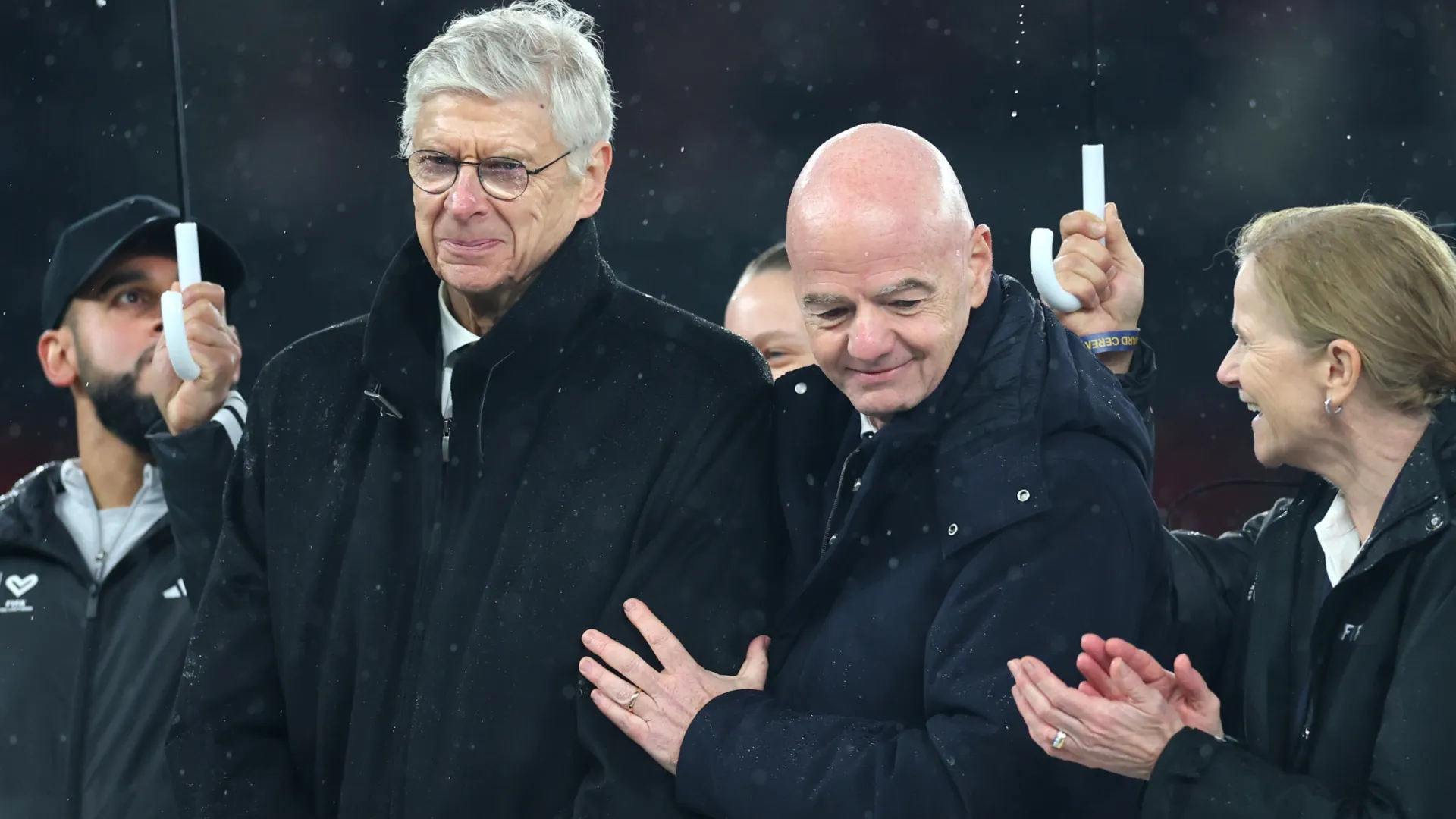
FIFA President, Gianni Infantino and Arsene Wenger interact
The former Arsenal manager then delivered his strongest message regarding the proposal, supporting the decision to abandon it: “The decision to withdraw the project was absolutely necessary and beyond question, because I firmly believe in an independent FIFA that serves our game with commitment, transparency, and integrity,” Wenger added.
Wenger’s statement became one of the most significant reactions from within FIFA because of his status as one of the organization’s most recognizable figures. However, he stopped short of directly calling for Infantino to resign or criticizing the FIFA president personally.
Infantino’s future at FIFA under pressure
Infantino has led FIFA since 2016 and built significant support among many smaller national associations through development funding programs. His opponents, however, argue that the failed investment proposal damaged trust among some of soccer’s most powerful institutions.
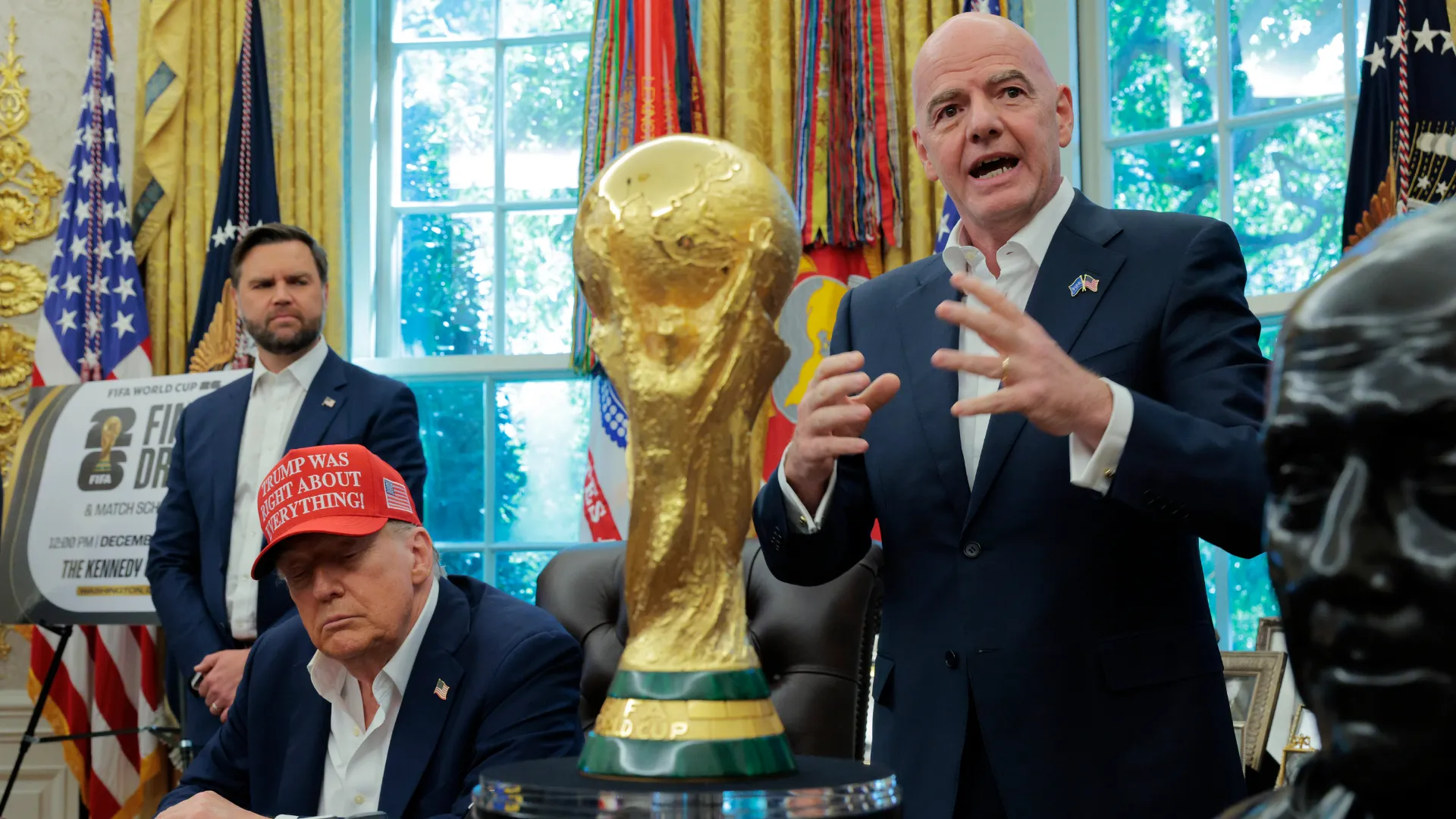
FIFA President Gianni Infantino speaks about the 2026 World Cup with U.S. President Donald Trump. (Getty Images)
The FIFA president still retains support from several countries, including Morocco, Qatar, Kuwait, Lebanon and Sri Lanka. However, the loss of backing from major European federations represents one of the biggest challenges of his presidency.
FIFA’s 211 member associations will ultimately decide the organization’s future leadership, but opponents would need significant support from different regions to challenge Infantino’s position.