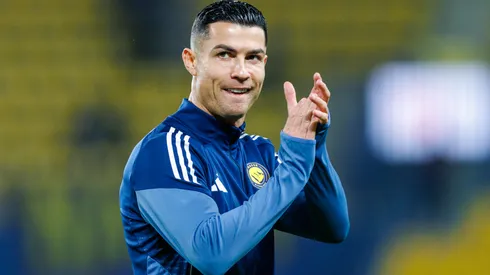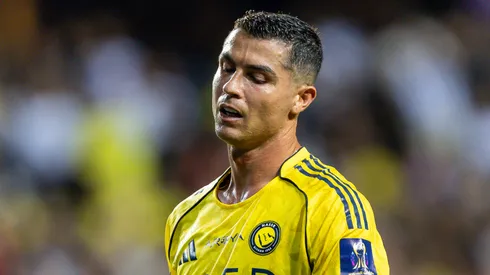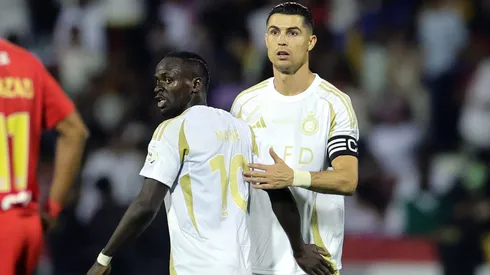





The countdown to the 2026 World Cup is already reshaping narratives across international soccer, and the latest developments offer contrasting emotions for two familiar figures. Cristiano Ronaldo is preparing for what could be the final defining chapter of his international career, while uncertainty surrounds a long-time rival from South America. As Portugal maps its route through the tournament and James Rodriguez’s Colombia braces for a crucial test, a hidden complication threatens to shift the balance well before a ball is kicked.
With the draw completed and paths clarified, the tournament is beginning to feel real. Yet beneath the excitement, one unresolved issue could quietly influence Group K — and Portugal may be the indirect beneficiary.
The European giant emerged from the World Cup draw in Washington, D.C. with cautious optimism. Placed as the top seed in Group K, the European side will face Uzbekistan, the winner of FIFA Playoff 1, and Colombia, in what promises to be a group defined by contrasting styles rather than straightforward dominance.
For Ronaldo, who will be 41 years old when the tournament begins, this competition represents a final opportunity to lift the one trophy missing from his glittering resume. Portugal’s opening matches against less familiar opponents offer the chance to build momentum, but the decisive test is expected to arrive late in the group stage. That showdown will come against Colombia in Miami — a fixture already being described as one of the most compelling group-stage clashes of the tournament.
On paper, the Tricolor arrives with confidence. Ranked among the top 15 national teams globally, they reached the 2024 Copa America final and ended 2025 on an impressive unbeaten run. Their blend of intensity, technical quality, and transitional speed makes them a genuine threat to any opponent. However, beneath that momentum lies an issue that could undermine their stability at the worst possible time. And this is where the narrative shifts.
The hidden blow: James Rodriguez’s uncertain future
Midway through the buildup, the real concern becomes unavoidable. James Rodriguez, Colombia’s most iconic figure of the past decade, is facing a deeply unsettling situation. With six months remaining before the World Cup, James is currently without a club, as confirmed by Marca.
According to reports from Mexico and Spain, the midfielder recently ended his stint with Club Leon, and a potential move to Pumas UNAM collapsed despite early discussions. Journalist John Sutcliffe confirmed on X (formerly Twitter): “James Rodriguez is not coming to Pumas. There were conversations, but the project and the profile they want is different.”

James Rodriguez of Leon
For Los Cafeteros, the issue is not symbolic — it is practical. Match rhythm, fitness, and competitive sharpness are non-negotiable at the World Cup level, especially for a player who still carries creative responsibility when games tighten. Without weekly action, the 34-year-old’s influence risks diminishing just as Colombia prepares for its toughest test in years.
Why does this quietly benefit Portugal?
For Portugal, this development changes the psychological landscape of Group K. Colombia’s strength has long rested on balance: youthful intensity supported by experience. If James arrives under-prepared, that equilibrium could tilt in Portugal’s favor — especially in a match likely to decide the group winner.
Portugal, by contrast, enters the tournament with stability. Ronaldo remains surrounded by a deep supporting cast, and manager Roberto Martinez has emphasized continuity and control. In a group where fine margins will matter, readiness could be decisive.