

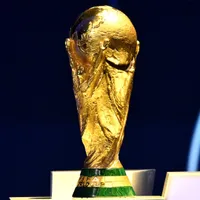

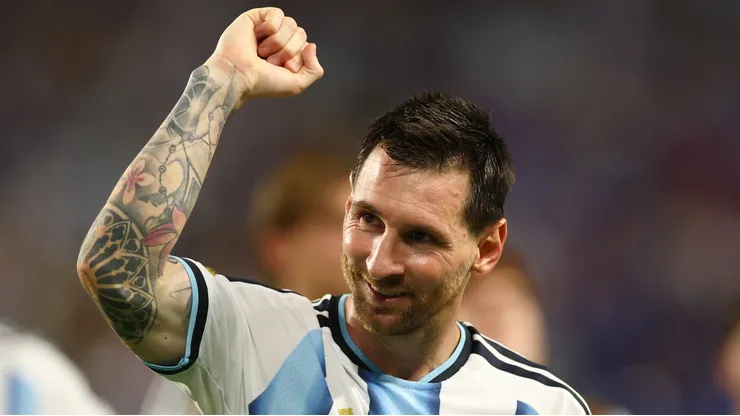
Lionel Messi once again delivered when Argentina needed him most, leading the Albiceleste to a thrilling 3-2 comeback over Egypt to clinch a quarterfinal berth at the 2026 World Cup. With a goal and an assist at Atlanta Stadium, he added several more entries to an already staggering list of World Cup records.
The evening was not without its frustrations. With the chance to pull Argentina level from the penalty spot, Messi was denied by Egypt‘s goalkeeper Mostafa Shobeir, extending his own unwanted record as the player with the most missed penalties in World Cup history to four, doubling the previous mark of two held by Asamoah Gyan.
But as he acknowledged after the game, he pushed through the emotional blow and kept pressing forward. In the 78th minute, with Argentina trailing 2-0, Messi delivered a perfectly weighted cross for Cristian Romero to head home and begin one of the great World Cup comebacks.
That assist moved Messi to nine in World Cup history since 1966, making him the most prolific playmaker in the modern era of the competition. While the marks of Pele and Fritz Walter sit at ten when accounting for earlier editions where stats remain in question, within the post-1966 era Messi has surpassed the eight assists attributed to Diego Maradona, also cementing his place as Argentina’s all-time leading provider.
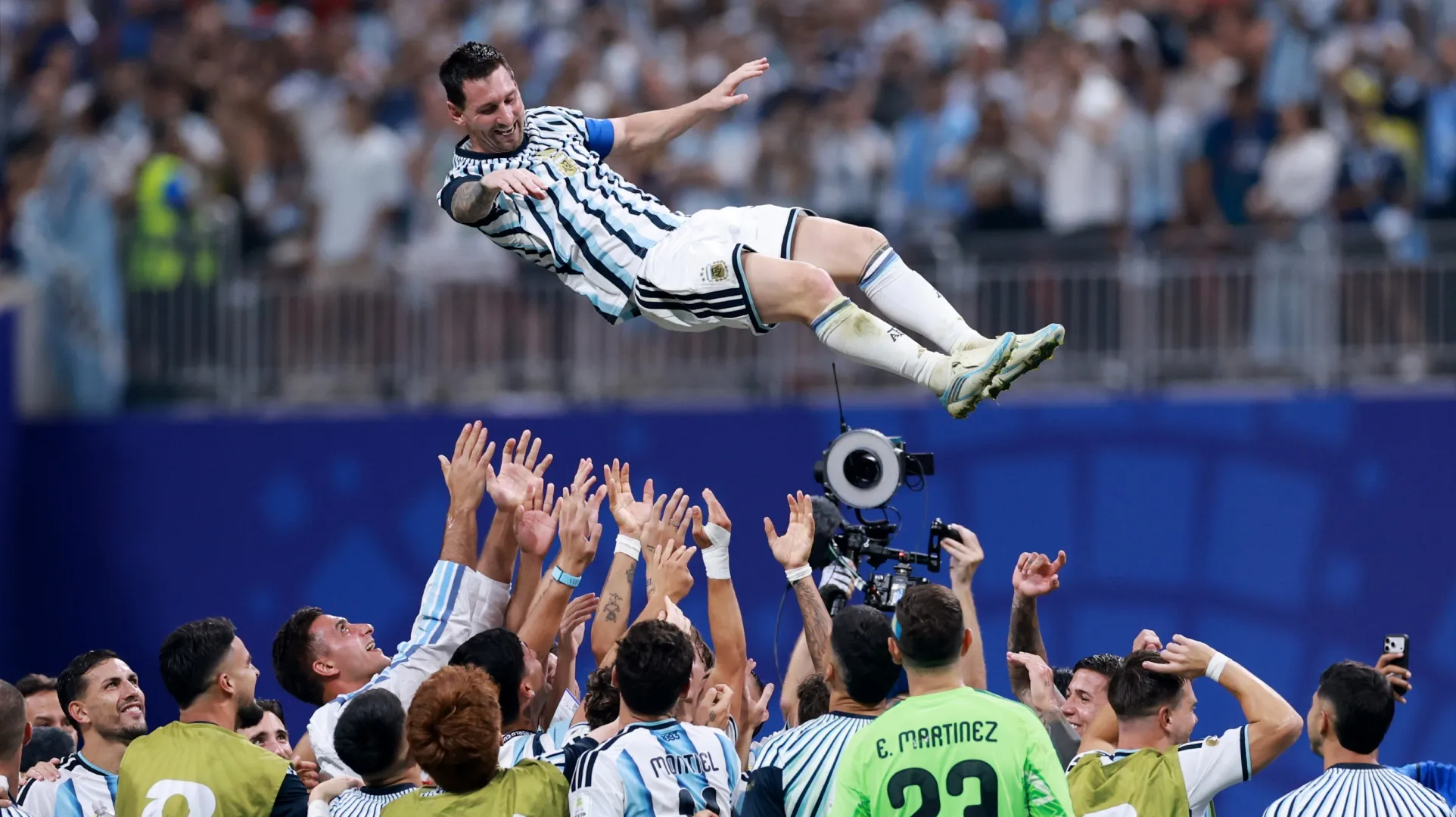
Lionel Messi #10 of Argentina celebrates with teammates after the 3-2 victory (Elsa/Getty Images).
Messi and a record-breaking goal
The equalizer arrived in the 83rd minute, with Gonzalo Montiel laying the ball off inside the box for Messi to strike a half-volley that rattled the bar and went in for 2-2. Beyond pushing Argentina toward the greatest comeback in World Cup history, the goal continued to build a legacy that seems to have no ceiling.
see also
Report: Egypt launch formal complaint to FIFA after Argentina’s impressive comeback win
On a personal level, the strike made 2026 the World Cup in which Messi has scored the most goals in a single edition, bringing his tally to eight. He had previously set the record with seven in Qatar 2022, while his four goals at Brazil 2014 ranked third on his own list.
Now leading the Golden Boot race with eight goals, Messi joins a short list of players to have reached that mark in a single tournament. Only Just Fontaine (13), Sándor Kocsis (11), Gerd Muller (10), Ademir de Menezes (9), and Eusebio (9) stand above him. The goal also drew him level with Kylian Mbappe and Ronaldo Nazario at eight, while matching Guillermo Stabile’s 1930 tally, which had stood as Argentina‘s single-edition record for nearly a century.
He also extended his own record for scoring in consecutive World Cup matches, with Egypt becoming the ninth straight game in which he found the net. A new dimension was added to that streak as well: he is now the first player in history to score in six consecutive World Cup knockout stage matches, surpassing the marks of Brazil’s Leonidas da Silva and Vava, and Hungary’s Gyorgy Sarosi, who each achieved the feat in five.
Finally, Messi became the oldest player to both score and assist in a single World Cup match at 39 years and 13 days old, surpassing the previous record held by Swedish legend Nils Liedholm, who accomplished the feat in 1958 at 35. It stands as yet another reminder that, even as a new generation takes hold of the sport, Messi remains in a class of his own.