

The 2026 World Cup is gearing up to be a historic landmark event for global soccer. In addition to debuting a brand-new, expanded 48-team tournament format that will significantly increase the total number of matches, this tournament marks the first time in history that the competition is being co-hosted by three different nations: the United States, Mexico, and Canada.
Mexico will have the honor of officially kicking off this historic tournament on home soil when they face South Africa on Thursday, June 11, in a highly anticipated Group A opener. The group also features South Korea and the Czech Republic, making for a highly competitive path to the knockout stages.
That opening whistle at the Estadio Azteca will mark the beginning of a new era in international soccer. Beyond the pageantry, the match will serve as the first official testing ground for a series of updated regulations recently greenlit by FIFA‘s governing body to modernize the pace of play.
In total, seven new rule changes will make their tournament debut during the 2026 World Cup. Every single one of these mandates is engineered to dramatically reduce tactical time-wasting, maximize effective playing time, and streamline the overall operational impact of VAR during high-stakes match play.
The new 2026 World Cup rules explained
- Timed throw-ins (5 seconds): If a player deliberately delays restarting play during a throw-in, the possession can be immediately turned over and awarded to the opposing team.

see also
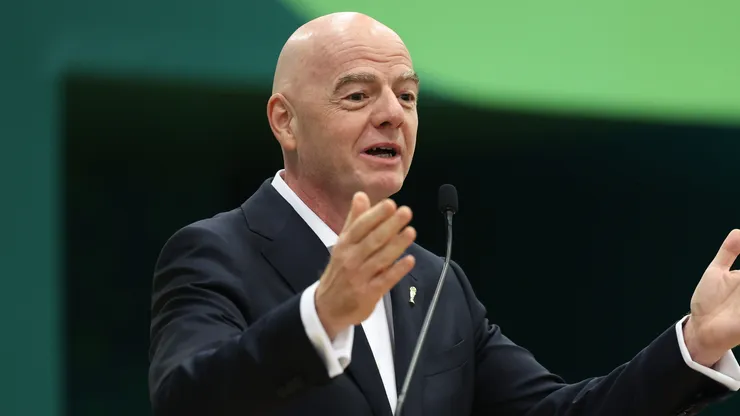
Infantino’s FIFA approves new rule changes for 2026 World Cup, expanding VAR powers and penalizing players for covering their mouths
- Timed goal kicks (5 seconds): Aimed at cracking down on deliberate stalling, excessive delays on goal kicks can now result in the referee awarding a corner kick to the opponent. This mirrors existing rules regarding how long a goalkeeper can hold the ball before distributing it.
- Timed substitutions (10 seconds): Substituted players are given exactly 10 seconds to exit the pitch at the nearest boundary point. If they fail to do so, the incoming substitute will be barred from entering the field for at least one minute, forcing the team to play temporarily with 10 men. This scenario already occurred in a recent international friendly, where Japan scored a goal against an Iceland side that was temporarily shorthanded due to this restriction.
- Medical treatment protocol: Any player attended to on the pitch by a physiotherapist or medical staff must remain off the field of play for a full 60 seconds once play resumes. Exceptions will be made for goalkeepers, severe injuries, or instances where the opposing fouling player receives a yellow or red card.
- Covering the mouth while speaking: In an effort to curb dissent and unsportsmanlike behavior, any player who covers their mouth with their hand during a heated confrontation with an opponent can be sanctioned with a straight red card.
- VAR intervention on incorrectly awarded corner kicks: The Video Assistant Referee can now intervene if it is clearly determined that a corner kick was wrongly awarded. However, this review must be conducted rapidly and finalized before play restarts. This rule does not apply to incorrectly awarded goal kicks.
- Review of second yellow cards: Players sent off after receiving two cautions will now be permitted to have the second yellow card reviewed by VAR. Conversely, VAR will not proactively initiate reviews to check for potential unpenalized second yellow card offenses.