



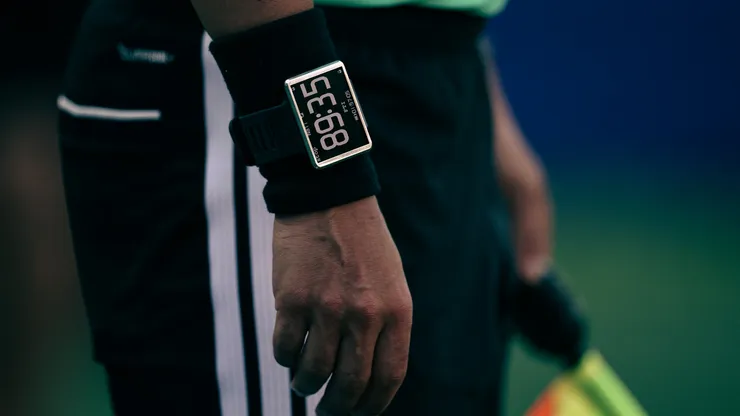
The group stage of the 2026 World Cup is officially in the rearview mirror, and with the single-elimination knockout rounds underway across North America, teams no longer have a margin for error. Because matches can no longer end in a stalemate, a definitive tie-breaking procedure will be enforced for every remaining fixture in the tournament.
During the group stage, a deadlock after 90 minutes of regulation meant both teams split the points, earning one apiece. That format is thrown out the window in the knockout rounds, where a winner must be determined on the day.
If a knockout match remains tied at the end of the regulation 90 minutes, the game will head into extra time. Teams will play an additional 30 minutes, divided into two 15-minute halves, pushing the total match length to 120 minutes in an effort to find a breakthrough.
While some regional tournaments, like the Concacaf Champions Cup, utilize away-goals rules as a primary tie-breaker, the World Cup operates differently. Because these knockout matchups are single-leg, winner-take-all games, away goals carry no weight, even if one of the competing nations happens to be one of the three tournament hosts.
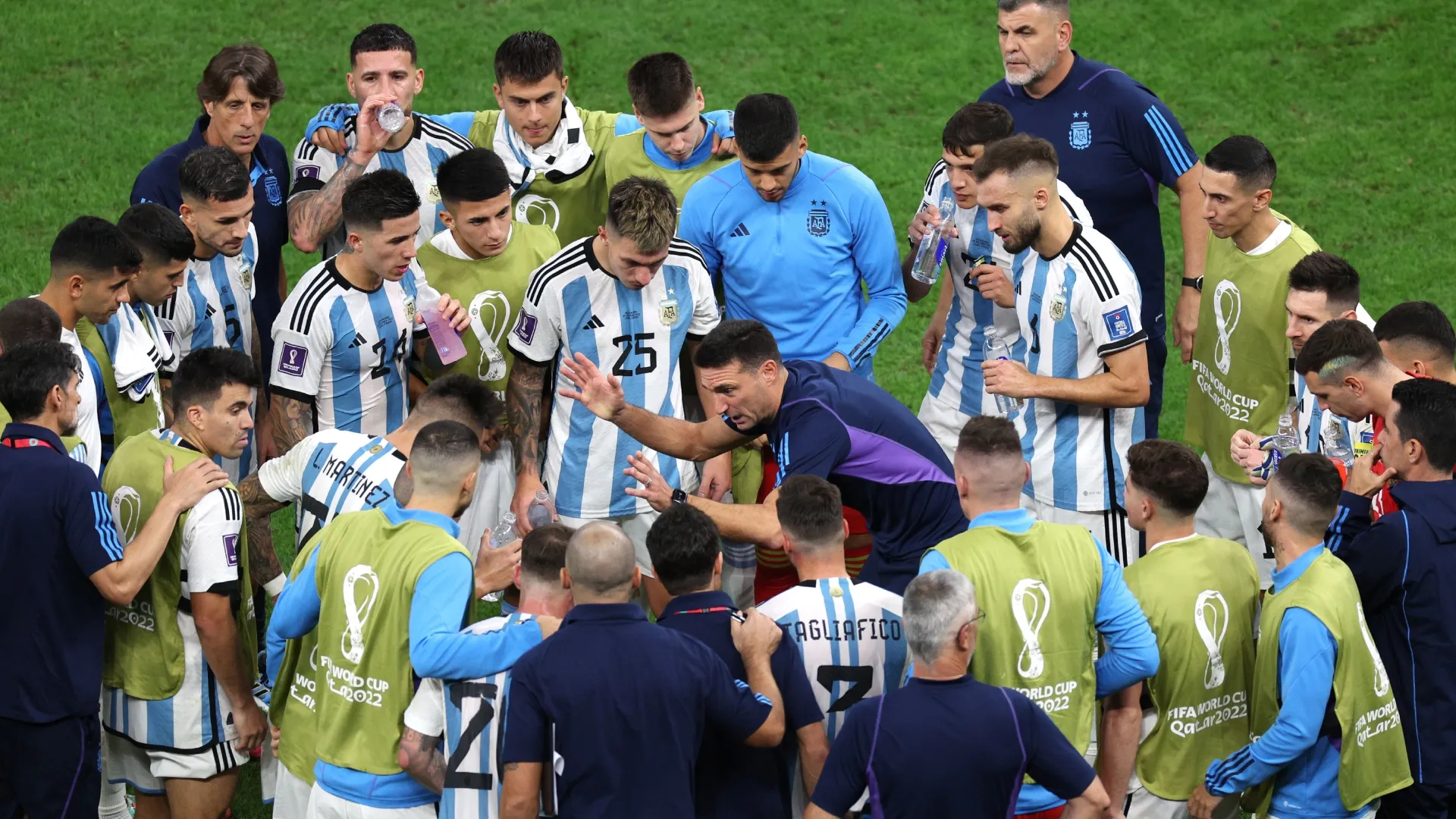
Argentina head coach Lionel Scaloni speaks to his team in a huddle in extra time during the 2022 World Cup final.
During extra time, the brief 15-minute halves mean there are no scheduled hydration or cooling breaks like those occasionally seen in regulation. To help combat player fatigue, however, both managers are granted one additional substitution and one extra stoppage window, bringing their match totals to six available substitutes across four windows.

see also
World Cup 2026: Full list of the 16 teams eliminated in the group stage
Penalties: The ultimate tie-breaker
If the scoreboard remains deadlocked after 120 minutes of grueling regulation and extra time, a penalty shootout will serve as the final tie-breaking mechanism. The sequence begins with a pre-shootout coin toss at midfield, allowing captains to choose which end of the pitch to use, typically aiming for the side housing their own supporters, and whether to shoot first or second.
In the shootout, each manager selects their initial penalty takers, with both teams receiving up to five alternating attempts from the spot. Teams can still recover from an early miss, but if a team falls mathematically behind during the five-round cycle and cannot catch their opponent, the match is instantly over.
Should the teams remain completely deadlocked after the initial five rounds, the shootout transitions into sudden death. From that point on, teams alternate single penalty kicks until one side scores and the other misses, leaving no second chances for the defeated squad.