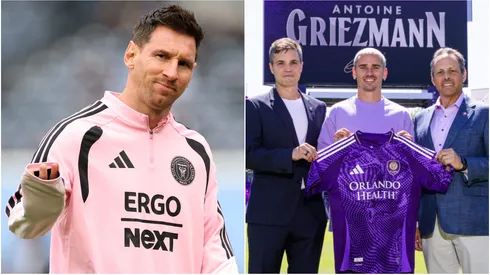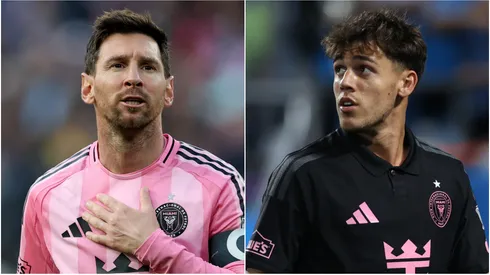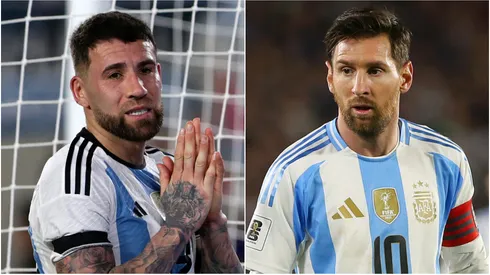




Inter Miami’s 2025 season came to an emotional close with a championship match that felt predestined to define an era—one shaped by Lionel Messi, a player whose presence continues to alter the gravitational pull of MLS. The Herons faced the Vancouver Whitecaps in a final brimming with narrative weight: the last match to ever be played at Chase Stadium, a farewell for club legends, and a test of a team that matured under pressure. Vancouver’s tactical sharpness and intensity promised a fierce challenge, yet the night ended with the Herons lifting silverware—and with the league witnessing history once again.
As the stadium lights dimmed over Fort Lauderdale, Inter Miami stood taller than ever, closing a perfect circle in its evolution from ambitious newcomer to MLS powerhouse. The journey from opening whistle to trophy lift not only crowned a champion but marked the culmination of a project years in the making.
Chase Stadium—Inter Miami’s temporary home since 2020—served as the backdrop for a match loaded with symbolism. The Herons needed no extra motivation: a title for the supporters, a final salute for Sergio Busquets and Jordi Alba, and the opportunity to seal their era under that roof with a memory that would last forever.
The match began with early fireworks. An own goal by Edier Ocampo after an aggressive cross created by Inter Miami gave the home side the perfect start. The 8th-minute breakthrough ignited the crowd, and the Herons surged forward with the confidence of a team intent on dominating the narrative.
Yet Vancouver refused to bow. The Canadian side—guided by a clear, aggressive game plan—nearly equalized before halftime through Emmanuel Sabbi and Thomas Muller, both denied only by the heroics of goalkeeper Rocco Ríos Novo. The visiting side’s persistence paid off shortly after the interval when Ali Ahmed squeezed a low effort past the keeper to make it 1–1, injecting tension into the contest and swinging the momentum dramatically. Miami, however, had the advantage of experience—and Messi.
Which records did Inter Miami break?
With Vancouver threatening to complete the comeback, Messi once again interpreted the match faster than anyone else. In the 71st minute, after seizing on a turnover, he slipped an impossibly weighted pass to Rodrigo De Paul, who finished calmly into the far corner.
The game’s final act belonged, fittingly, to Messi again. Deep in stoppage time, he controlled a lofted pass on his chest and flicked it into the path of Tadeo Allende, who made it 3-1, sealing the club’s first MLS Cup. It was only after the celebrations began that the second layer of history emerged. Miami’s victory also completed a year in which the club shattered two major league records—records that had stood as untouchable benchmarks until Messi’s arrival transformed the team’s attacking identity.
Those records, now officially surpassed, are: The most MLS postseason goals scored by a team in a single season (21), and the most combined regular-season and postseason goals ever recorded by a team in one MLS campaign (100). Inter Miami didn’t just lift a trophy—they redrew the league’s statistical map.
The team’s 2025 wasn’t just a season. It was a statement: that ambition, investment, and belief can converge into a legacy. And that with Lionel Messi, the ceiling keeps rising. In 2026, the Herons will carry a star above their badge for the first time—and a belief that this is only the beginning.