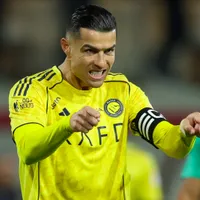
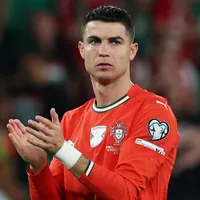

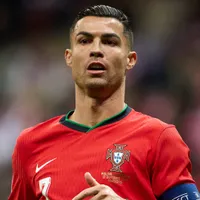

Cristiano Ronaldo has built a career on rewriting history, but now another chapter of that legacy is quietly beginning to take shape. His eldest son, Cristiano Ronaldo Jr., is stepping onto the international stage with the Portugal U-16 national team, carrying a surname that guarantees global attention long before he becomes a senior professional.
At just 15 years old, Cristiano Ronaldo Jr. represents the Al-Nassr youth academy and has already experienced elite development environments across Europe and the Middle East. With Portugal’s youth setup calling him up for the 2026 Algarve Tournament, the soccer world turned its attention to a familiar name in a new generation. The intrigue peaked when he was handed his first-ever start for Portugal U-16 against the Netherlands, sparking debate and curiosity: how did he handle the pressure on his first major international stage?
Portugal’s U-16 squad called the teenager for the Algarve Tournament between February 12 and February 17, facing Japan, the Netherlands, and Germany. The tournament marks his first youth international competition on Portuguese soil, increasing the emotional significance of the moment.
In the opening match against Japan, the Selecao won 3-0, and Ronaldo Jr. came off the bench due to an injury to Rafael Cabral. He made an immediate impression, forcing a goalkeeper save and bagging an assist. Observers noted his composure and tactical awareness, a contrast to his father’s explosive youth style, suggesting a more measured and team-oriented profile.
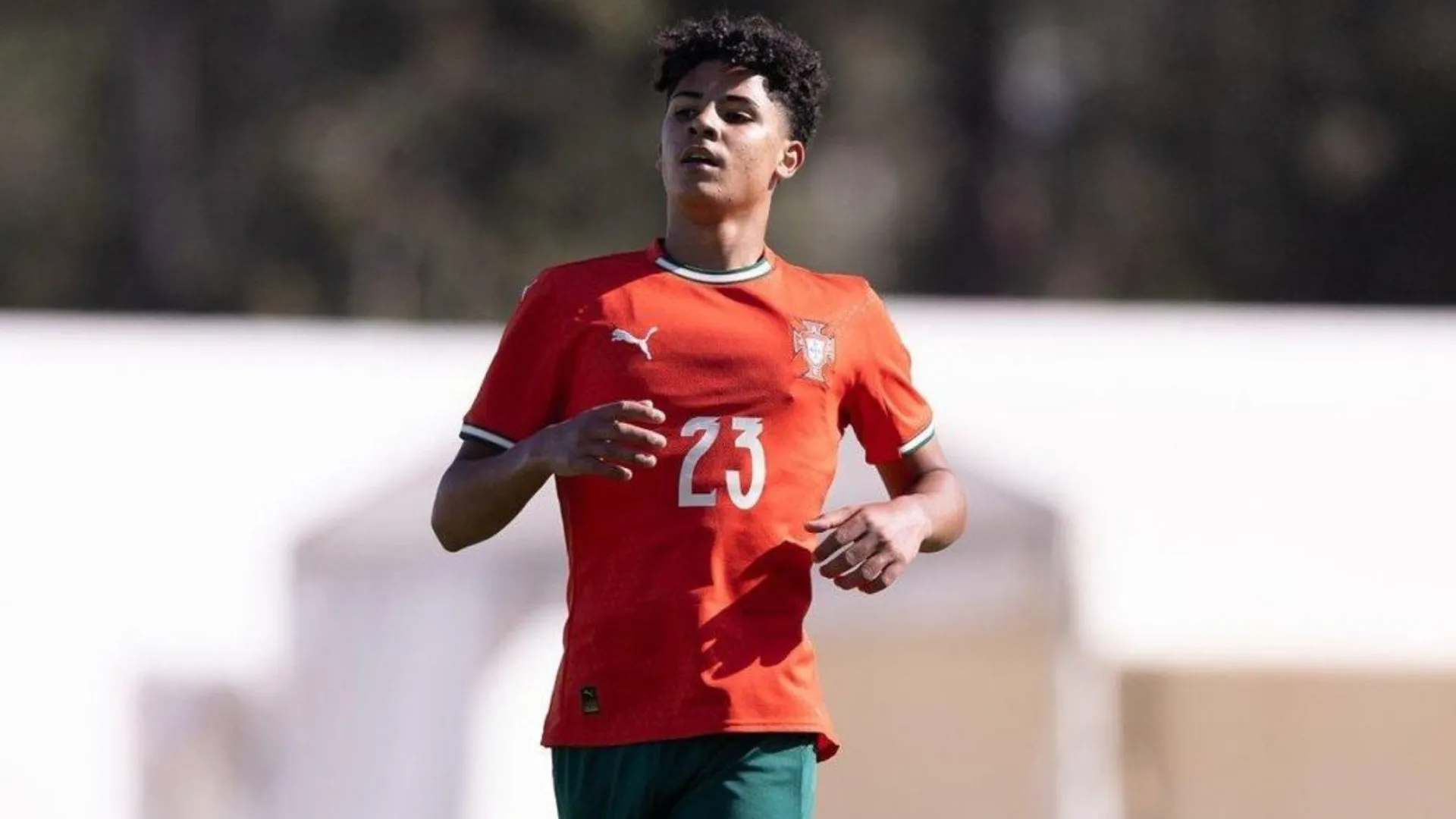
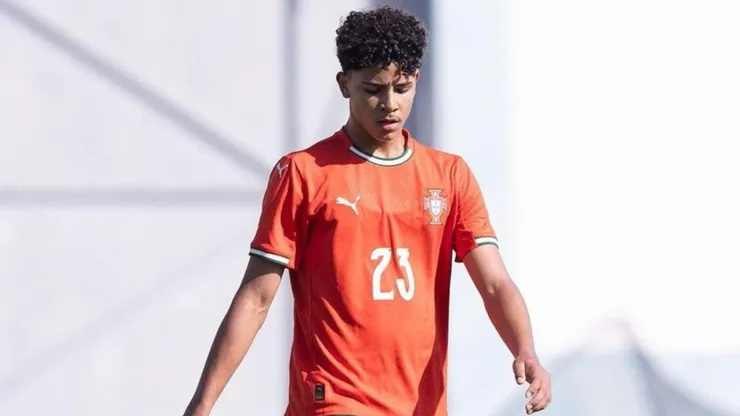
Cristiano Ronaldo Jr. in action for Portugal U-16
Watch how Ronaldo Jr. played vs. the Netherlands
The major milestone arrived when Cristiano Ronaldo Jr. earned his first-ever start for Portugal U-16 against the Netherlands, playing 45 minutes on the left wing. His performance, closely monitored by scouts and analysts, revealed a promising but still developing young winger.
During the lone half that he featured in, he maintained width on the left flank, stretching the Dutch defense and making diagonal runs inside. He showed awareness of space rather than simply hugging the touchline, suggesting a developing tactical understanding.
What’s more, his first touch looked composed, and he attempted to take defenders on with body feints rather than relying solely on pace. Ronaldo Jr. carried the ball inside and released passes into the attacking third, participating in buildup rather than forcing individual moments.
The 15-year-old winger also displayed smooth movement and moderate acceleration, comfortable receiving under pressure, but still developing explosiveness and physical strength typical for his age.