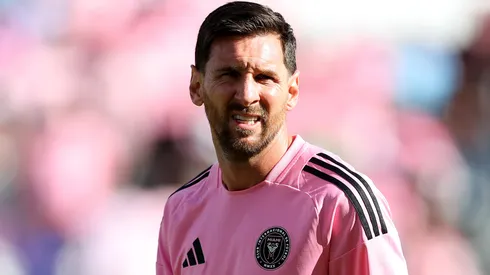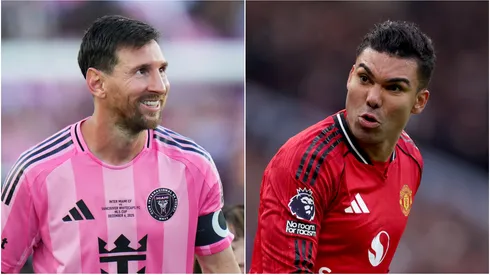




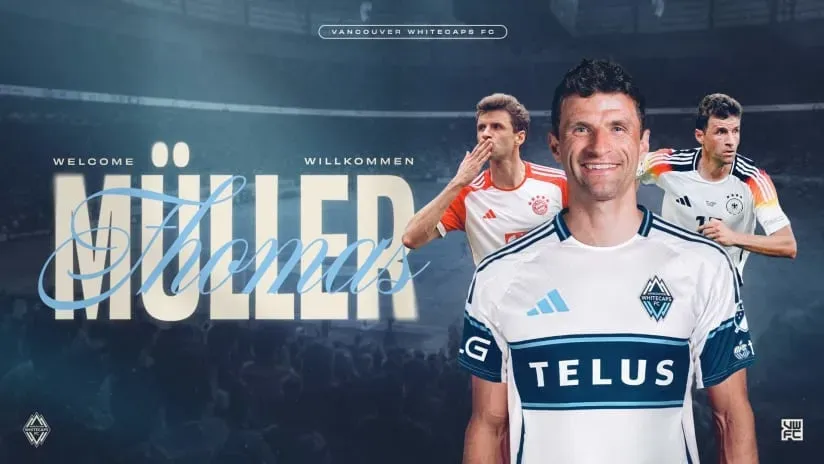
In one of the most talked-about moves of the 2025 summer transfer window, German legend Thomas Müller is officially joining Major League Soccer (MLS) and joins league stars such as Lionel Messi and Heung Min Son, with his imminent arrival.
After more than two decades with Bayern Munich, the 35-year-old attacking midfielder will begin a new chapter in the United States, bringing his charisma, intelligence, and winning mentality to a league that continues to attract global stars.
But beyond his on-field influence, a big question looms: how does Müller’s salary stack up against fellow MLS superstars Lionel Messi and the soon-to-arrive Heung-Min Son?
Müller’s salary: High-profile, but below the top tier
According to multiple sources close to the negotiation, Müller will earn approximately $9 million per season with his new MLS club — a significant figure that instantly places him among the league’s highest earners. The deal reportedly includes bonuses based on performance and appearances, as well as ambassadorial incentives tied to his off-the-field presence and marketability in North America.
While impressive, Müller’s salary doesn’t reach the astronomical level of Lionel Messi, who earns an estimated $20 million per season at Inter Miami, not including revenue from commercial deals, equity in the club, or his unique partnership with Apple and Adidas.
How Heung-Min Son’s deal compares
The South Korean superstar Heung-Min Son, who is also set to join MLS in the upcoming weeks, is rumored to be signing a deal in the $13–15 million annual range, placing him between Messi and Müller in the salary rankings.

see also
NFL icon Tom Brady cites Messi, Yamal as examples of what U.S. soccer needs for a ‘cultural revolution’
Son’s global marketing value — especially in Asia — has made him a top commercial asset for his future club. His package is expected to include revenue-sharing options and brand tie-ins similar to those granted to Messi, but still falls short of the Argentine’s historic deal.
The bigger picture for MLS
With Messi, Son, and now Müller on board, MLS is redefining its global image, shifting from a retirement destination to a competitive and commercially potent league. Müller’s arrival adds not only quality and leadership but also further validation of the league’s growing reputation in Europe.
As for the fans, they can expect a new era of MLS where household names from global soccer don’t just show up — they compete, lead, and shape the future of the sport in the United States.