

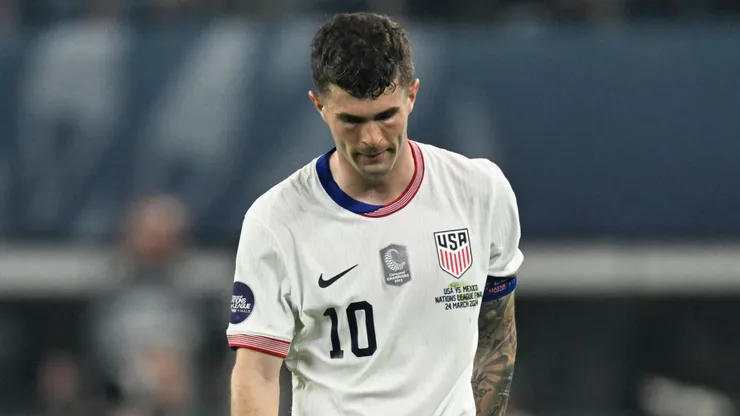
For much of the past year, Christian Pulisic moved in only one direction. His performances reached a new level, his influence grew undeniable, and the timing felt perfect. As the countdown toward the 2026 World Cup quietly began, everything seemed aligned for a season that could define both a career and a national moment.
But soccer has a way of reshaping even the most carefully built narratives. What initially looked like momentum has gradually turned into uncertainty, and what felt like a dream pre-World Cup season now carries unanswered questions — questions that neither club nor nation can afford to ignore. At the start of the campaign, Pulisic was among the most productive players in Europe, delivering goals, consistency, and leadership for Milan. His form was not only impressive statistically but symbolic — a player entering his prime at exactly the right moment.
By early autumn, he had established himself as one of Serie A’s most decisive attackers, leading the league in goals plus assists per 90 minutes and trailing only Harry Kane across Europe’s top five leagues. His performances helped push Milan into the title race, while also reinforcing his status as the central figure for the United States men’s national team ahead of a home World Cup. It was, by all appearances, the perfect buildup.
The shift came quietly. A knock here, a precaution there. Then came absences that were no longer tactical. Milan head coach Massimiliano Allegri confirmed ahead of the crucial league match against Bologna that the American would not travel with the squad. The reason soon followed. “Pulisic has bursitis that’s bothering him,” Allegri said, adding that the club hoped to get him “back on track in the coming days.”

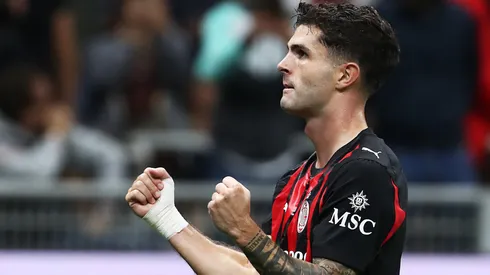
Christian Pulisic of AC Milan warms up before the Serie A match.
Bursitis — an inflammation of fluid-filled sacs near joints — was reported to be near the hip, according to The Athletic. In isolation, it was not considered serious. In context, it became another chapter in a familiar pattern.
Career shaped by stops and starts
Injuries have never been a footnote in Pulisic’s career. They have been a defining theme. During his time at Chelsea, recurring hamstring, muscle, ankle, and knee issues repeatedly disrupted rhythm and momentum. In his final two seasons alone, he suffered five separate injuries, missing months of action at critical moments.
His move to Milan initially suggested a turning point. Across his first two seasons, he contributed 52 goal involvements, played consistently, and appeared to have found balance. That illusion began to crack during the current campaign. A hamstring tear suffered on international duty in October sidelined him for nearly a month. Since then, his availability has fluctuated, his minutes have been managed, and his role has occasionally shifted to the bench. The latest bursitis issue marks his third injury of the 2025-26 season.
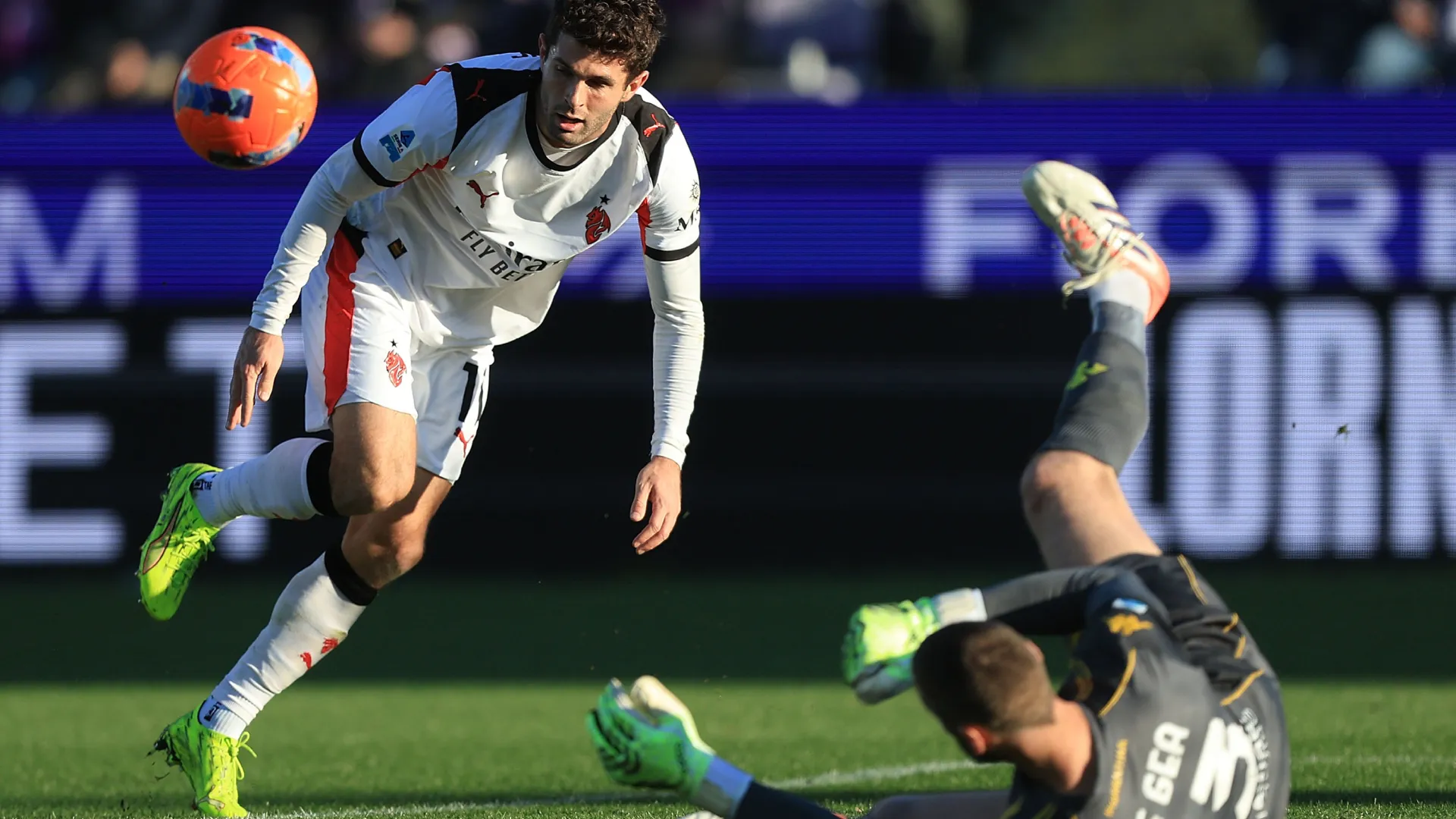
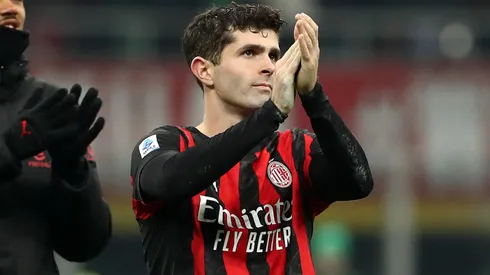
Christian Pulisic of AC Milan in action against David de Gea goalkeeper of ACF Fiorentina
The impact has been visible. Since returning from the October setback, Pulisic has scored just four goals, all of them before the calendar turned to 2026. In the new year, he has failed to register a single goal contribution in five appearances, a sharp contrast to his explosive start.
Allegri acknowledged the challenge earlier this winter. “Several players not at peak condition,” he admitted in January. “Pulisic has a hamstring problem that is still bothering him from time to time.” Despite careful management, Milan remains heavily dependent on him. He is still the club’s leading scorer, and with a title race tightening, the margin for caution continues to shrink.
What it means for Milan and the USMNT
For Milan, the equation is simple: it is a better team with Pulisic, even when he is not fully fit. However, for the national team, the stakes are even higher. Head coach Mauricio Pochettino has consistently emphasized the importance of protecting his most influential player. “He’s a fantastic player,” Pochettino said last autumn. “Sometimes we need to protect [players]… when we really need him, he needs to be in form, happy, strong.”
The 2026 World Cup will not allow for gradual recovery or imperfect preparation. It will demand sharpness, rhythm, and physical certainty. Moreover, there is still time. Pulisic could recover fully, rediscover his early-season form, and arrive at the World Cup as the player he appeared to be becoming just months ago. That outcome remains possible. But the trajectory is no longer straightforward. Injuries have once again interrupted momentum, turning clarity into doubt.