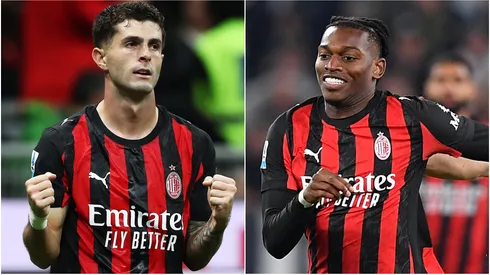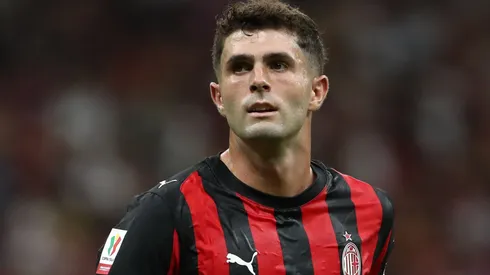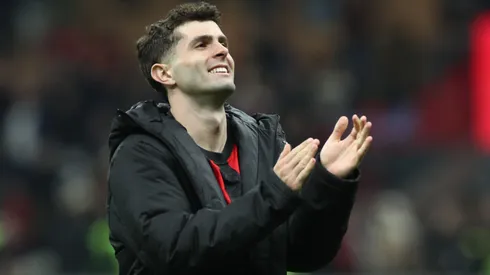

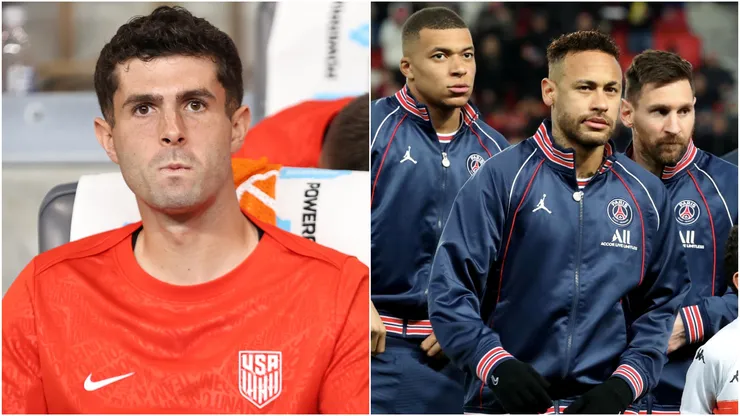
Christian Pulisic’s role with the USMNT is once again under the microscope as the road to the 2026 World Cup narrows, but he is far from the only name feeling the tension. Mauricio Pochettino, now well into his tenure as head coach, has made it clear that reputation alone will not secure a place when it matters most. His philosophy has already reshaped how the squad looks, how it trains, and how players are judged. Even figures as globally recognized as Lionel Messi, Neymar, and Kylian Mbappe — stars he once managed at the same club — loom large in the background of a message that has sent ripples through both the American setup and beyond.
With the World Cup on the horizon, Mauricio Pochettino has spent the past year and a half reshaping the United States in his own image. The Argentine coach has treated recent international windows not as showcases for established names, but as laboratories for experimentation. MLS-based players such as Alex Freeman, Sebastian Berhalter, and Diego Luna have been handed opportunities in high-profile friendlies, sometimes at the expense of European-based regulars.
For supporters accustomed to seeing Christian Pulisic, Tim Weah, and Weston McKennie lead every major occasion, the changes have been striking. While those stars remain widely expected to feature at the World Cup, their status as automatic starters is no longer guaranteed.
That shift has been intentional. Pochettino has prioritized intensity in training, tactical adaptability, and collective identity over familiarity. And according to those who know him best, discomfort is part of the process.
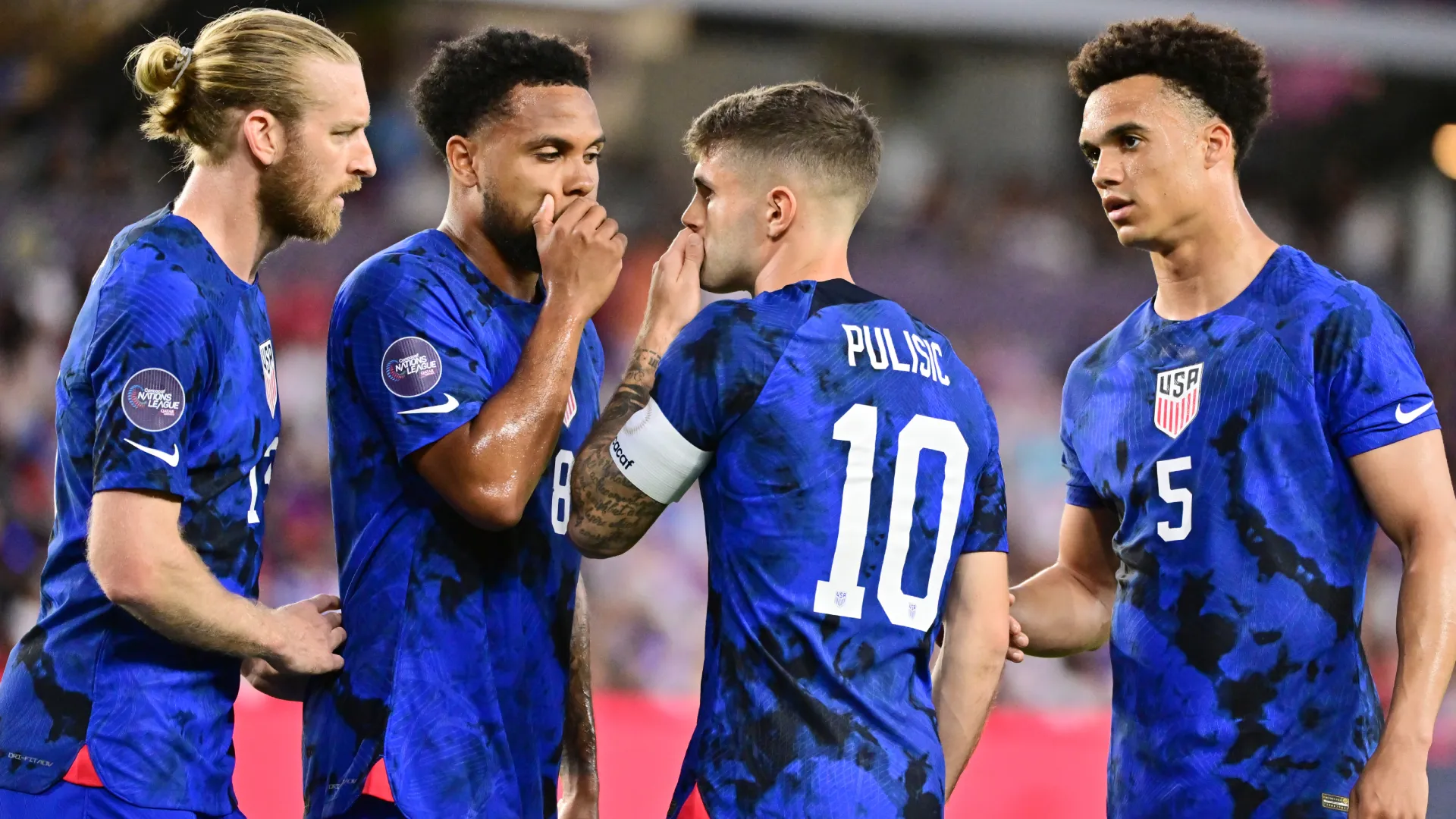
im Ream #13, Weston McKennie #8, Christian Pulisic #10, and Antonee Robinson #5 of USMNT
What did Friedel say about Pochettino’s mindset?
Few people understand Pochettino’s approach better than Brad Friedel. The former USMNT goalkeeper played under him at Tottenham and has followed his career closely ever since. Speaking to The U.S. Sun, Friedel offered a revealing glimpse into how the coach operates behind closed doors.
“There’s going to be a couple of unhappy people along the way,” Friedel explained. “He’s going to look at training sessions, adapting to his style on and off the field, likability around the squad, professionalism, determination to win — because he’s a winner, he likes to compete, he’s not a soft guy.” That competitive edge, he believes, makes Pochettino a natural fit for a national team environment, where short camps demand clarity and decisiveness. And it also explains why even big names are treated like everyone else.
Lessons learned from managing superstars
Pochettino’s past looms large over his present. At Paris Saint-Germain, he oversaw a dressing room that included Lionel Messi, Neymar, and Kylian Mbappe — arguably the most star-studded attacking trio soccer has ever seen. That experience, Friedel argues, sharpened his sense of perspective.
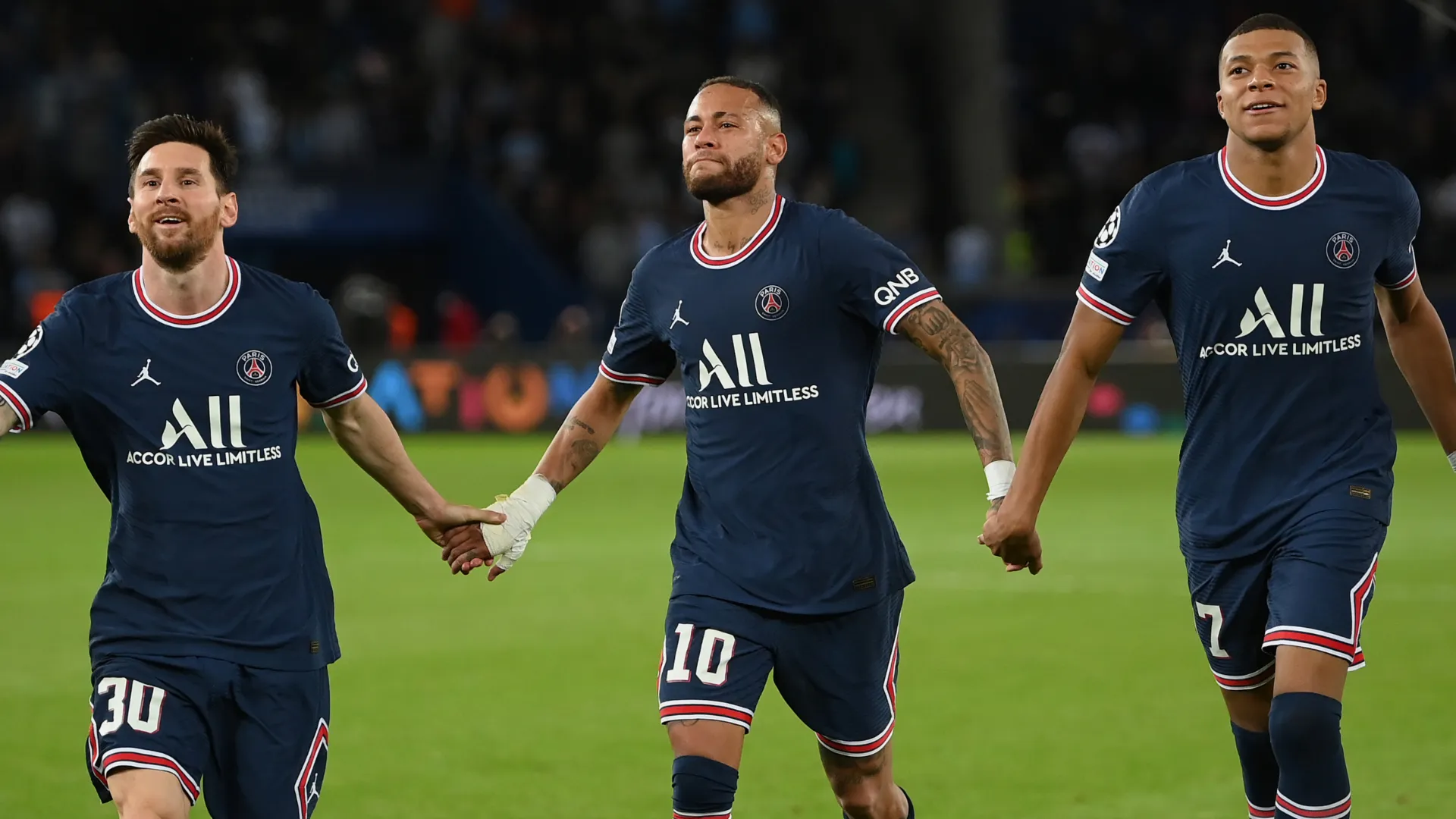
Lionel Messi, Neymar and Kylian Mbappe of Paris Saint-Germain
“The greatest thing that happened when you hire someone like Mauricio is that he has no care what you’ve done in the past… he has no care what the last name of the player is,” the ex-goalkeeper said. It is here that the 54-year-old delivered the line that has resonated most strongly across the USMNT landscape — a stark reminder that pedigree offers no protection. Pochettino, he said, judges players without bias, reputation, or sentiment, focusing solely on how they serve the team’s needs.
“To put it in perspective, in one team at Paris Saint-Germain, he managed Neymar, Mbappe, and Messi all on the same team. “Once you’ve managed those kinds of guys, you know what great looks like, you know what stars look like, and he just looks and sees what players will fit in his system on and off the field.”