

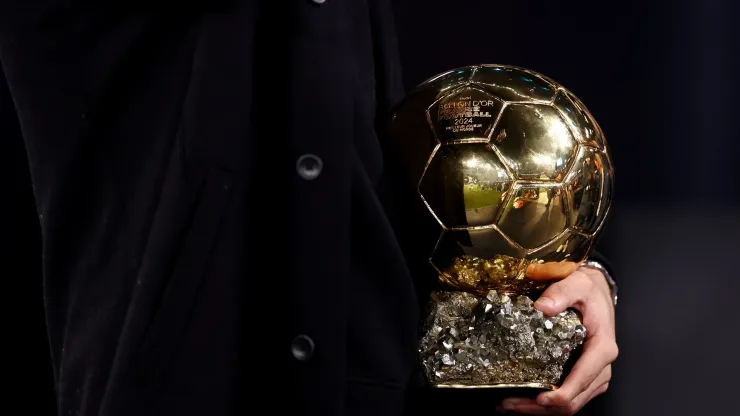
The Ballon d’Or has always been marketed as the ultimate seal of individual supremacy in soccer. A golden stamp that elevates a player above his peers and, at least in theory, guarantees his place at the very summit of the game. Yet as the countdown to the 2026 World Cup continues, an uncomfortable question is beginning to surface: What if winning the Ballon d’Or no longer guarantees even a starting place for your country?
That question hangs heavily over the next global tournament. With the era of Lionel Messi and Cristiano Ronaldo fading into history, soccer expected a smooth transition to new, undisputed leaders. Instead, there is growing unease that the last two recipients of the sport’s most prestigious individual prize could arrive at the World Cup not as untouchable stars, but as squad players — or worse, spectators from the bench.
For decades, the Ballon d’Or served as a reliable shorthand for soccer dominance. From Johan Cruyff to Zinedine Zidane, and later from Cristiano Ronaldo to Lionel Messi, the award often aligned with global consensus. But cracks began to appear as the sport grew more complex, more tactical, and more influenced by context than pure individual brilliance.
The Portuguese veteran himself has openly questioned the award’s credibility in recent years, particularly as its voting criteria shifted toward narrative-driven outcomes rather than sustained excellence. With the modern GOAT duo no longer central to the debate, the spotlight moved to a new generation — one that has yet to convince on the international stage.
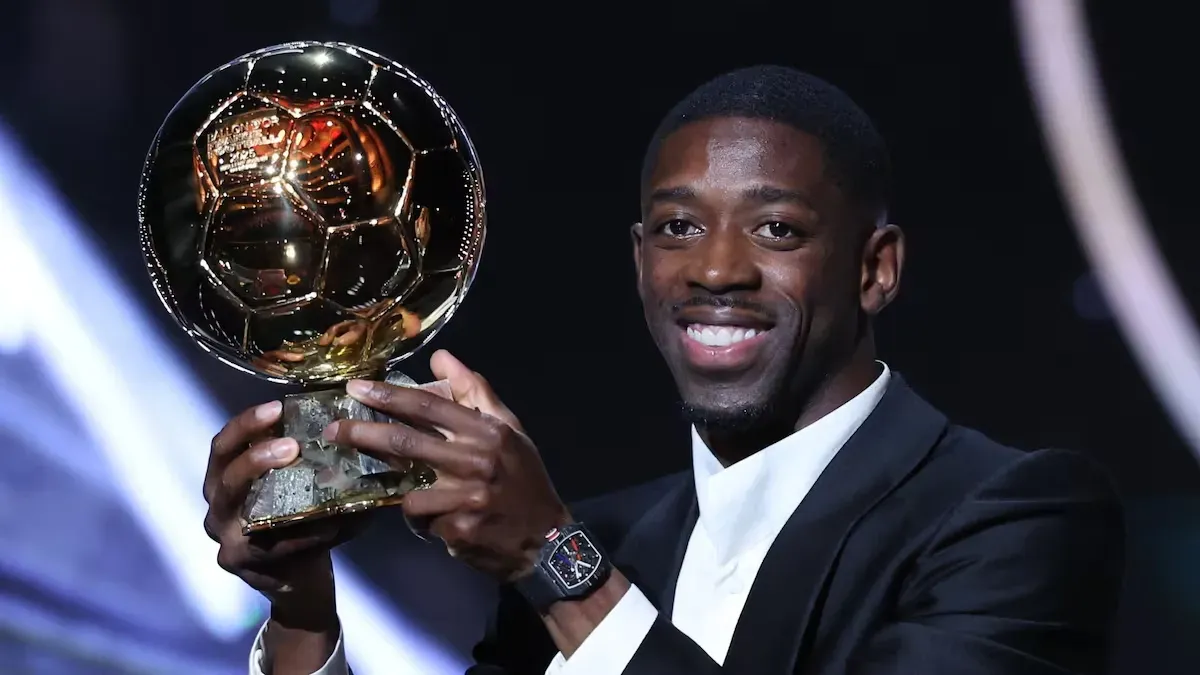
Dembele won the Ballon D’Or 2025.
see also
Lionel Messi makes shock return among 2026 Ballon d’Or contenders: Erling Haaland and Lamine Yamal surge ahead as early favorites emerge
The Spanish dilemma: Brilliance without continuity
Spain’s recent Ballon d’Or winner Rodri arrived at the peak of his club career, celebrated for redefining the role of the modern holding midfielder. His intelligence, positional discipline, and control of tempo were instrumental in his club’s success. On paper, his coronation made sense. But international soccer tells a harsher story, Marca explains, via Tribuna.
An anterior cruciate ligament injury interrupted his momentum at a critical moment, keeping him sidelined during large stretches of World Cup qualifying. Since returning, he has struggled to recapture the same authority and rhythm that once defined his game. Meanwhile, Spain’s midfield has evolved without him.
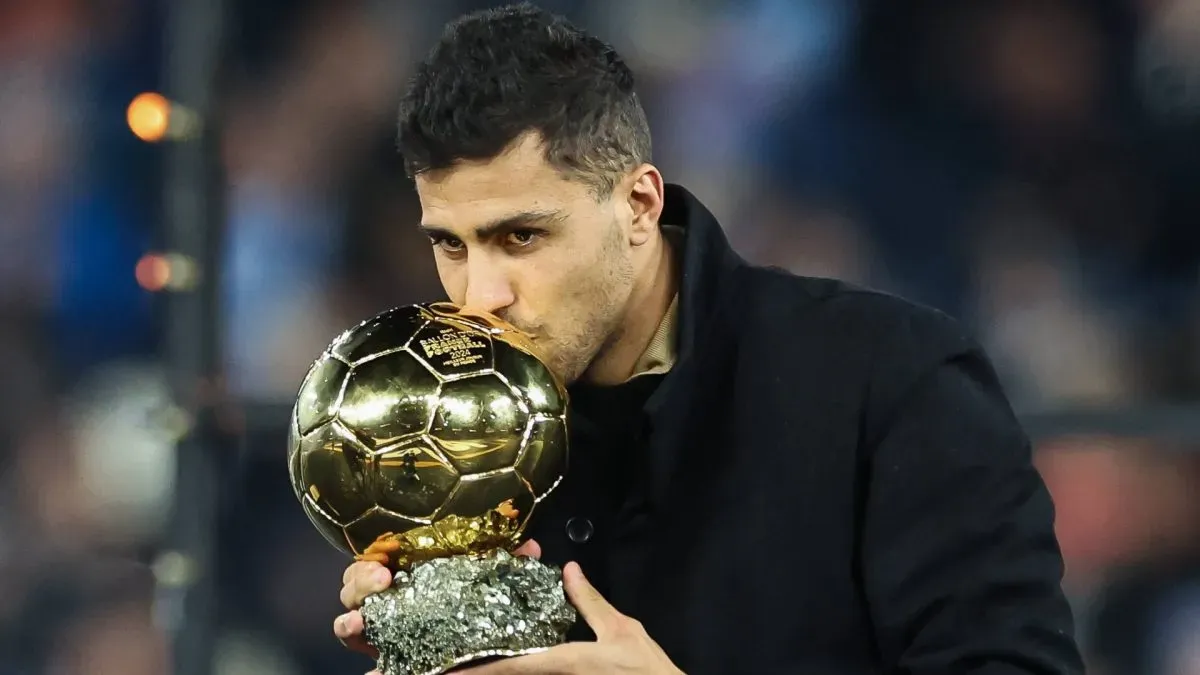
Rodri of Manchester City with the 2024 Ballon d Or.
During qualification, La Roja leaned heavily on a new core — younger, fitter, and tactically fluid options who now appear locked into the system. The defensive midfield role has been stabilized by a player trusted for consistency rather than reputation, while the creative and advanced midfield positions have been claimed by technically gifted profiles offering energy and verticality.
The reality is stark: Spain’s midfield looks settled — and it may not include its most recent Ballon d’Or winner in the starting XI. At best, he faces a role as an experienced substitute. At worst, his place in the squad itself is not guaranteed.
France’s attacking overload and a familiar story
France’s situation is different, but the conclusion may be the same. The most recent Ballon d’Or winner from France was rewarded for a season that blended explosive moments with decisive contributions on the biggest stage. However, Ousmane Dembele’s career has long been accompanied by two persistent shadows: injuries and inconsistency. Those shadows have returned at the worst possible time, the report adds.
see also
The Best vs. Ballon d’Or: What’s the difference between the two major soccer awards?
Since lifting the trophy, his availability has once again been fragmented. Muscle problems and disrupted rhythm have prevented him from building sustained momentum. Meanwhile, France’s attacking depth has exploded. The national side now boasts a wealth of forwards in form — explosive wide players, versatile attackers, and established superstars operating at elite clubs across Europe. The competition for three forward spots is ruthless, and recent performances matter more than past accolades.
Les Bleus’ coaching staff has shown little sentimentality in recent tournaments. Tactical balance, pressing intensity, and physical readiness are prioritized. In that context, a Ballon d’Or does not outweigh weeks spent on the treatment table.
When the biggest prize no longer guarantees trust
This is where the conversation becomes uncomfortable for soccer’s governing narratives. How can the world’s best player, by official designation, arrive at the World Cup without a guaranteed role?
The answer lies in the growing disconnect between club soccer storytelling and the realities of international soccer. The Ballon d’Or increasingly rewards players for their seasonal impact within dominant club structures. International soccer, by contrast, values availability, tactical fit, and continuity above all else.
Spain and France are not rebuilding nations clinging to heroes. They are deep, competitive squads with options in every position. In such environments, reputation alone carries limited weight.