


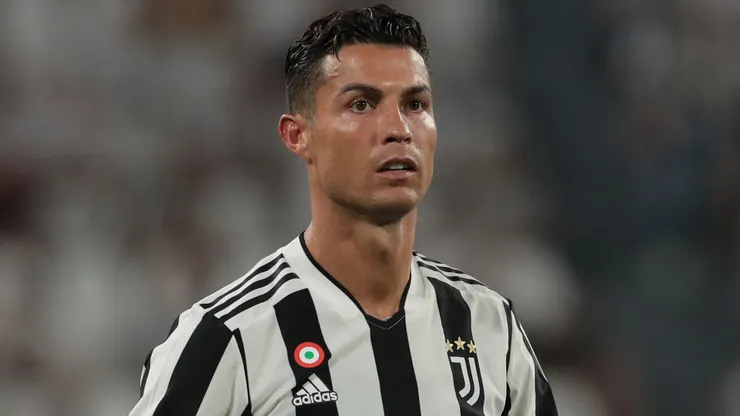
After shining for several years at Real Madrid, Cristiano Ronaldo made the drastic decision to leave the club, heading to Juventus. Although he arrived as a full-fledged veteran, he managed to showcase his imposing quality, leading the attack. Nevertheless, former executive Fabio Paratici reveals that the Ronaldo created a major problem in the squad with his dominant goal-scoring ability.
“Precious for Juve (on Ronaldo’s arrival), important for everyone since Mourinho later was at Roma—a league needs great characters. We all wanted the Champions League, and in our first year we could have won it… The problem was that by scoring a goal per game, Cristiano made life too easy for his teammates, who had already won so much. That’s why we changed coaches, to try to restructure,” Fabio Paratici said, via Corriere della Sera.
In his first season with the Vecchia Signora, the Portuguese managed to score 28 goals and provide 14 assists in 48 matches. With this, he established as the team’s most productive player. Far from being an isolated performance, he went on to improve his output, scoring more than 35 goals in the next two seasons. Despite this, they failed to shine in the Champions League, piling up disappointment after disappointment.
While Paratici’s words might sound like a subtle jab at Ronaldo, this is far from the case. Instead, Fabio was aiming to deliver a strong criticism of Juventus’ squad, which stopped contributing collectively as they used to. Even though the Portuguese was shining, the team seemed to place the entire offensive burden on him, moving away from the collective approach seen in previous seasons.
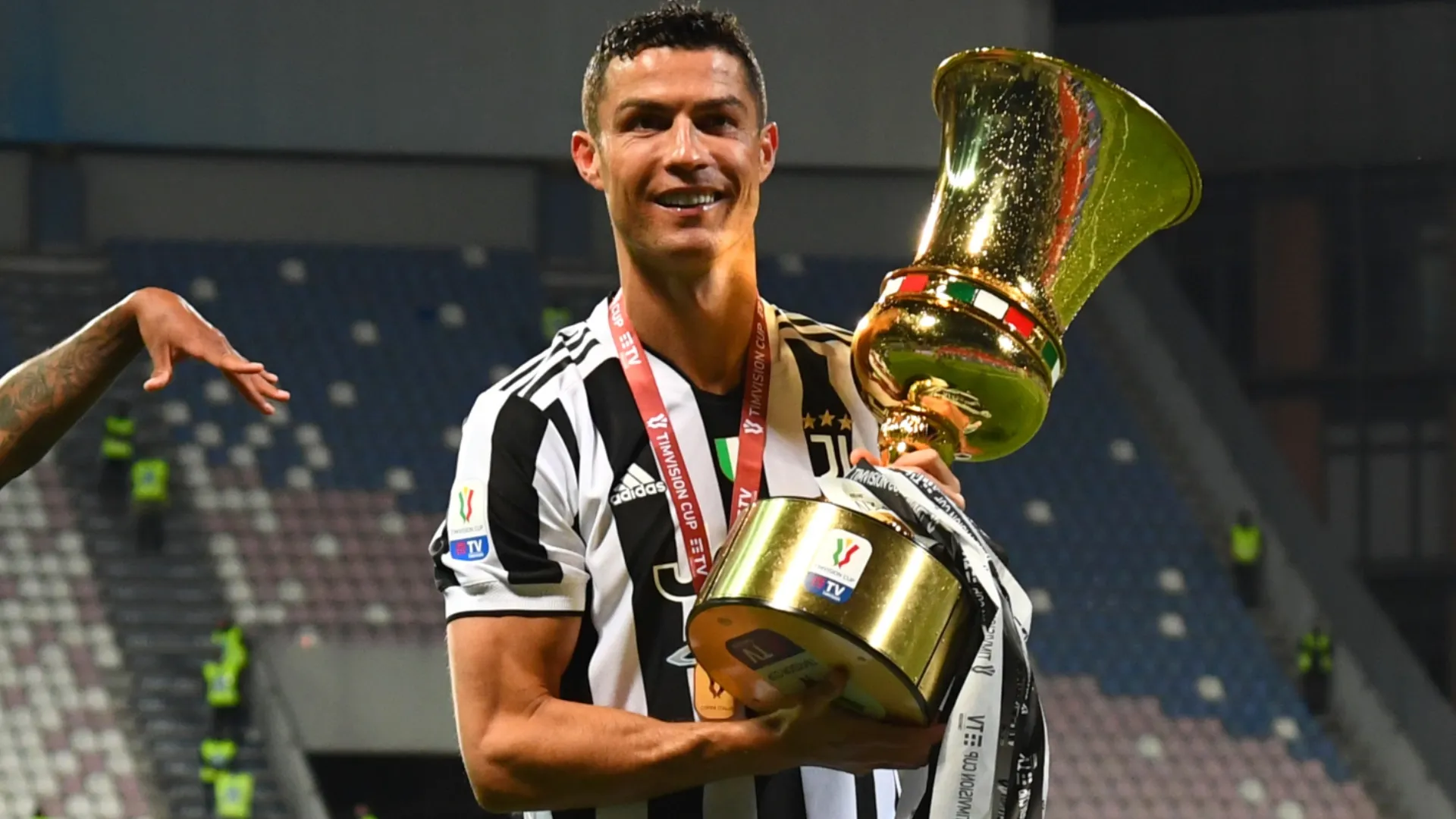
Cristiano Ronaldo of Juventus celebrates with the TIMVISION cup.
Ronaldo shined in the scoring side, but Juventus couldn’t keep up
Throughout his tenure at Juventus, Cristiano Ronaldo consistently demonstrated that he was a player on another level. Across 134 matches, he scored 101 goals and provided 28 assists. His presence on the pitch guaranteed Juventus world-class attacking output, representing a clear step up in quality. However, the roster struggled to maintain a cohesive and fluid style of play, with serious concerns arising in both the midfield and defensive line.
see also
‘Ronaldo is a star, a very good player, but he’s not a genius like Messi,’ says 1986 World Cup champion Oscar Ruggeri
Despite his remarkable scoring ability, Ronaldo could not shoulder the team’s entire creative and defensive workload. Unlike in previous seasons, his teammates failed to provide structural solidity, offering little security against opponents. Rather than building the roster around his strengths, the front office did not surround Ronaldo with the right profiles to maximize his talent, ultimately squandering several years of his prime.
While at Real Madrid, Cristiano Ronaldo perfectly complemented a strong roster. At Juventus, however, he became the central star of a weaker squad. Moreover, the Italian side invested heavily in sustaining the veteran forward, often neglecting broader squad renewal. As a result, the team experienced a noticeable decline in performance, leaving the Portuguese star without sufficient world-class support.