

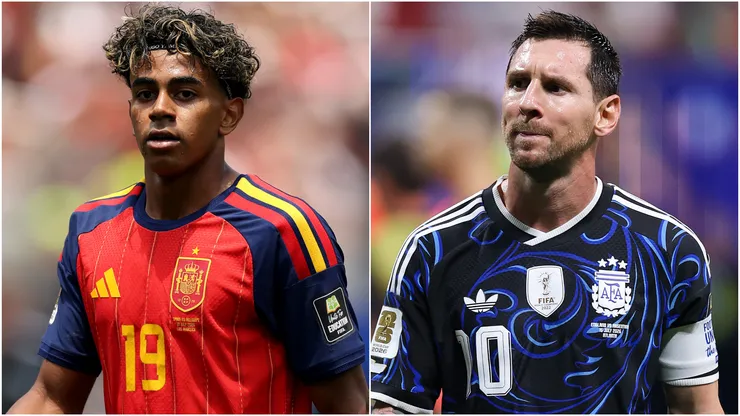
Lamine Yamal opened up on one of the most talked-about images from this summer’s World Cup final, revealing what he actually said to Lionel Messi in the embrace the two shared at the final whistle. Speaking to The Guardian, the 19-year-old explained that the moment carried far more weight for him than just a photo opportunity.
“I said thank you for everything you gave football. I don’t do things to look nice for the photo; that came from inside,” Yamal said. The comment reflects how deliberately he’s handled his relationship with Messi’s legacy throughout his career, choosing his words in that moment rather than simply playing along for the cameras.
The embrace has since been framed as a symbolic passing of the torch in Argentine and Spanish football circles alike, made all the more fitting given both players came through Barcelona’s academy, and Yamal’s comments make clear the gesture was as genuine as it looked.
It came just moments after Yamal became the youngest player ever to win both a European Championship and a World Cup, a distinction that not even Messi, Diego Maradona or Cristiano Ronaldo can claim at the same age.
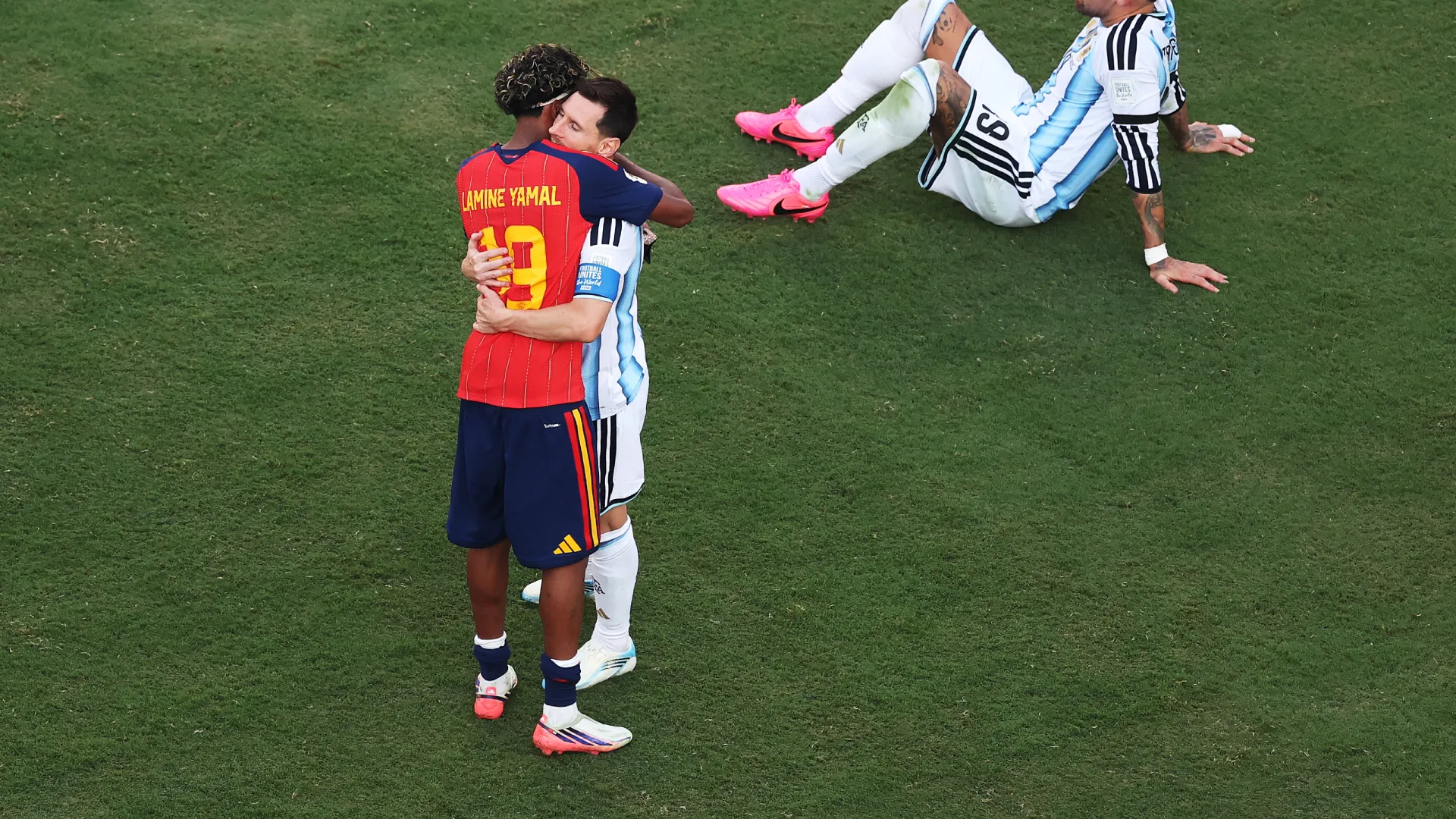
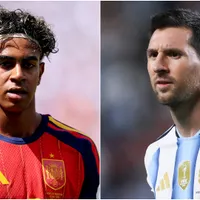
Lamine Yamal hugs Lionel Messi after the 2026 World Cup final. (Getty Images)
With Spain now the reigning world champions and Yamal established as one of the sport’s brightest young stars, the image of the two together is likely to remain one of the defining snapshots of this World Cup cycle.
see also
Lamine Yamal’s praise for Lionel Messi hints that Rodri didn’t deserve the World Cup Golden Ball
The moment also underscored how much Yamal’s relationship with Messi has meant to him throughout his rise, long before either of them shared a pitch together at the highest level.
Yamal about his old photo with Messi as a baby
Yamal also revealed the story behind an old photo of Messi bathing him as a baby, an image his family has had for years but only recently made public. His father had wanted to post it long ago, but Yamal asked him to hold off.
“Because I told him not to,” Yamal said, explaining that he didn’t want easy comparisons to Messi shaping how people saw him before he had built his own name in the sport.
“I wanted to be Lamine; I didn’t want to be Messi. I just wanted to get where I could get. I asked him to wait. When I’m Lamine, do what you want,” Yamal said. That patience shaped how Yamal approached his early career, wanting to be judged on his own merits rather than framed from childhood as Messi’s successor.