


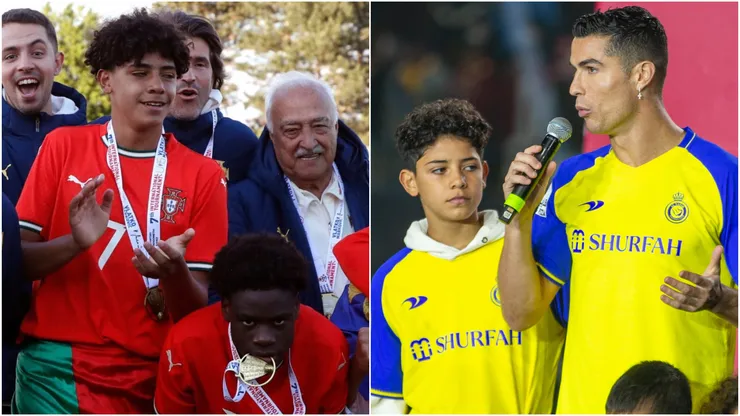
Cristiano Ronaldo’s son recently made headlines with his participation in the 2026 Algarve International Tournament, where he represented the national team at U-16 level. Despite the intense scrutiny surrounding his famous surname, he delivered solid performances that justified the growing hype around his development.
He began the tournament with a strong cameo against Japan, providing a decisive assist in a 3-0 victory and nearly scoring on two occasions shortly after coming on. He then started against the Netherlands, playing the first half of a 1-0 win, before coming off the bench in the final against Germany, where his team secured a 3-1 victory to lift the trophy.
This triumph marked his third international title in less than a year, following earlier youth-level successes in 2025. Even without scoring, his presence contributed to the collective success of the squad, reinforcing his growing importance within the setup.
As Ronaldo and Cristiano Jr. continue to share parallel soccer journeys, a new question is quietly taking shape: which national team will Cristiano Ronaldo Jr. ultimately choose if he reaches senior level? Due to FIFA eligibility rules, family heritage, and residency history, he has five possible options.
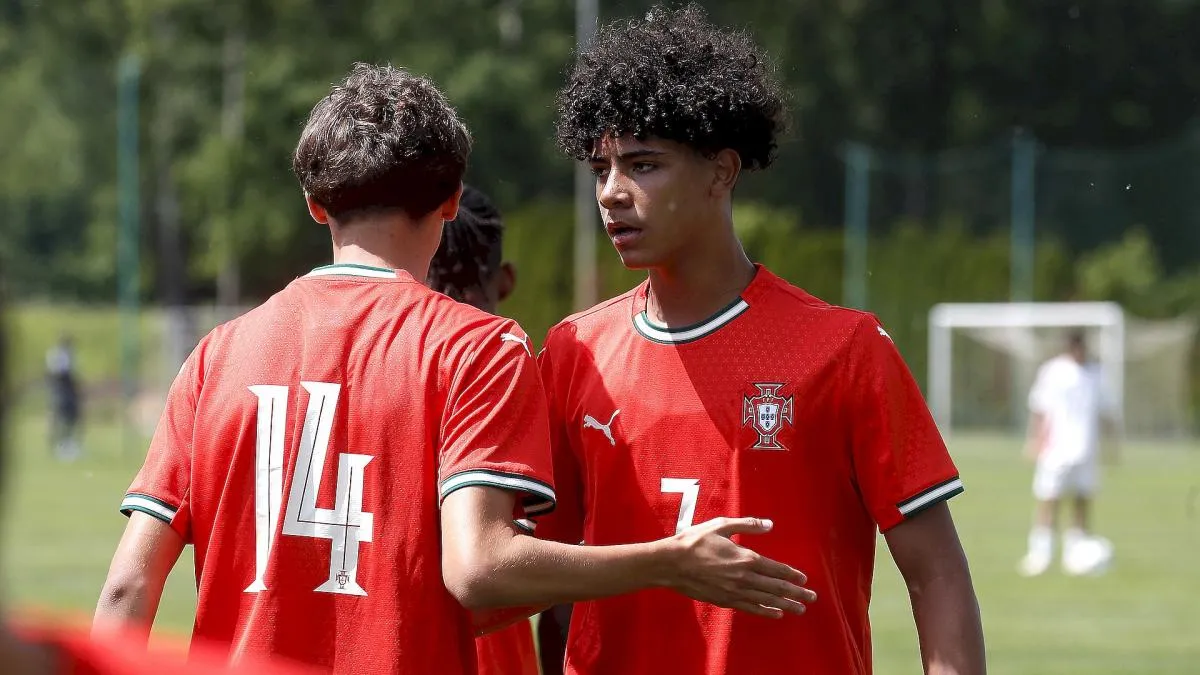
Cristiano Ronaldo Jr. in action for Portugal U-16
Five possible options
Portugal: The most logical choice
Through his father’s nationality, Ronaldo Jr. is automatically eligible to represent Portugal, and he has already played for the Portuguese youth setup. Given Cristiano Ronaldo’s legendary status with the national team, this path is widely viewed as the most natural and symbolic choice.

see also
Cristiano Ronaldo’s son already outshines his father in one aspect: Cristiano Jr. sets youth milestone that even CR7 couldn’t reach
United States: Eligibility by birth
Ronaldo Jr. was born in California in 2010, which grants him U.S. citizenship and eligibility to play for the United States national team. With the American team on the rise and co-hosting the 2026 World Cup, his potential commitment would be a massive sporting and commercial boost.
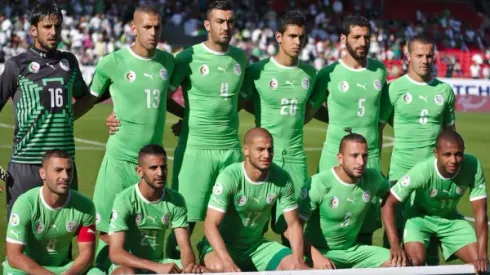
Spain: Residency during Real Madrid era
During Cristiano Ronaldo’s historic spell at Real Madrid, the family lived in Spain for several years. Under Spanish law and FIFA regulations, a player who lived in a country for three years before the age of 10 can apply for citizenship, making Spain another realistic option.
England: Time spent during Manchester United return
Ronaldo Jr. also spent several years in England during his father’s second stint at Manchester United. While residency requirements are more complex, there is a pathway for eligibility through extended residence and formalities.
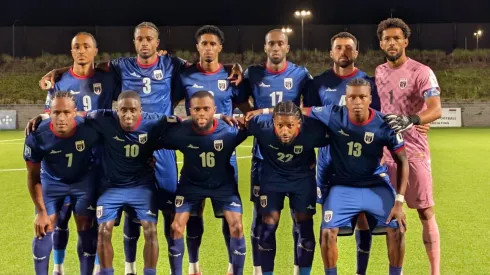
Cape Verde: Family heritage route
Finally, Ronaldo Jr. could represent Cape Verde through his grandmother’s heritage. While this is considered the least likely choice, it remains a fascinating option that highlights his diverse background.
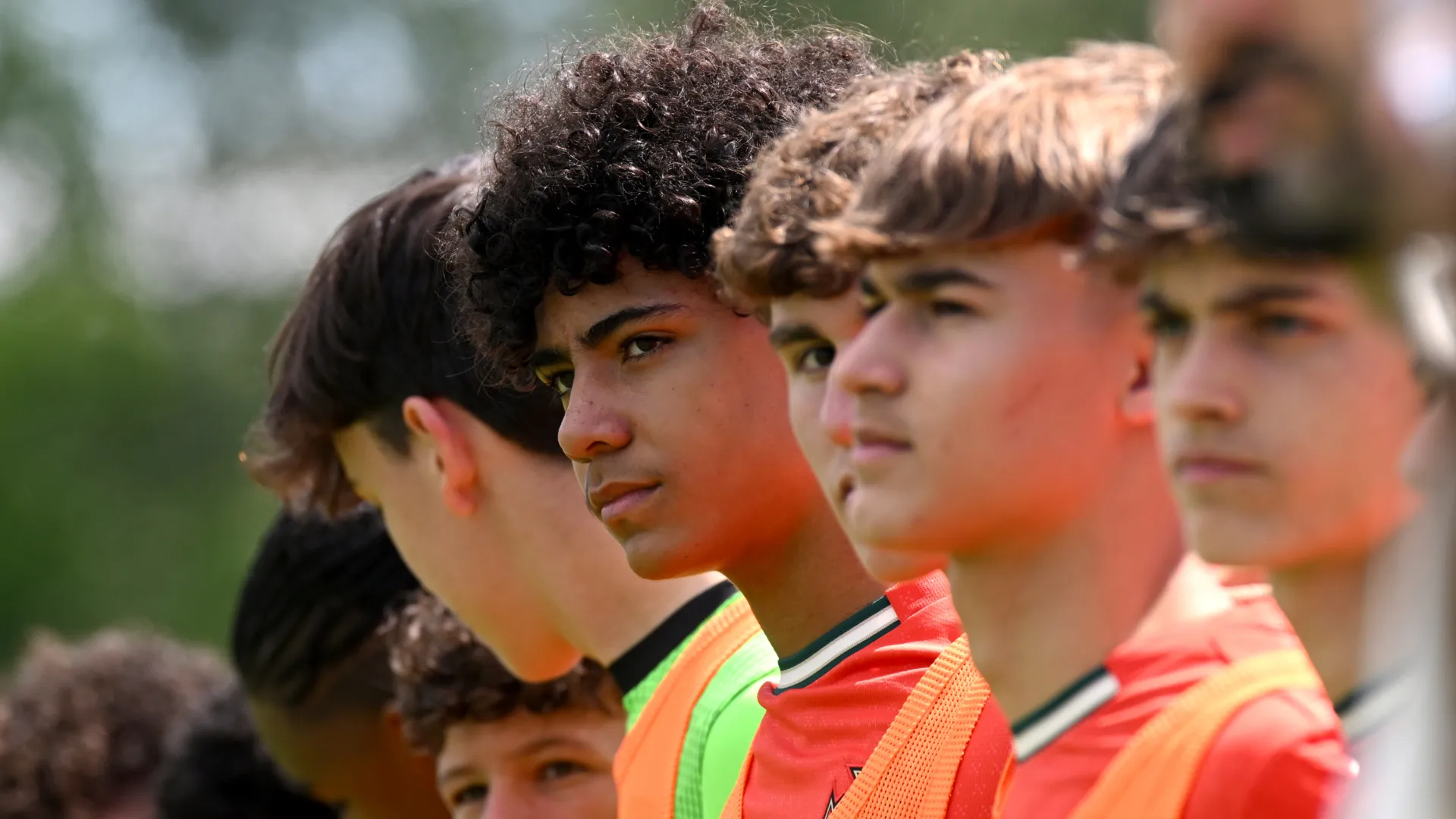
Cristiano Ronaldo Jr of Portugal (C) looks on prior to the Men’s U15 International match between Portugal and Japan
What his future choice could mean
For now, Cristiano Ronaldo Jr. continues to represent Portugal at youth level, following a familiar path while keeping his long-term options open. His recent success at the Algarve tournament confirms that his progress is based on performance, not just pedigree.

see also
Cristiano Ronaldo’s son isn’t the only rising star winning titles: Lionel Messi’s youngest son shines too as Ciro lifts trophy with Inter Miami U-8 (VIDEO)
Whether he ultimately commits to one nation or another remains a future decision. What is already clear, however, is that Ronaldo Jr. is no longer just a famous name—he is a developing footballer with real international stakes ahead.