

Lionel Messi has never needed loud voices around him to trust a teammate — just the kind of player who understands timing, pressure, and the fine print of tournament soccer. Now, with Lionel Scaloni beginning to shape the final stretch toward the 2026 World Cup, one of Argentina’s most familiar faces is suddenly at a crossroads in Europe. Within that context, one of Messi’s most trusted international teammates now finds himself at a crossroads, weighing loyalty in Europe against the pull of home and the urgent need to remain visible ahead of another decisive international cycle.
At a club level, his situation has grown increasingly complicated. Playing time has diminished, trust appears fragile, and the sense of indispensability that once defined his role has faded. With January approaching, the possibility of a dramatic return to Argentina is no longer a distant idea—it is becoming a realistic option.
The future of Paulo Dybala at Roma has entered uncertain territory. Once a cornerstone of the project in the capital, the Argentine forward has gradually slipped to the periphery under the current technical leadership. According to Calciomercato, the relationship between the club and ‘La Joya’ has reached a ‘complex crossroads’, with the 32-year-old no longer viewed as central to Roma’s long-term plans.
The numbers tell part of the story. This season, Dybala has accumulated just 695 minutes across 13 appearances, often being used as an impact substitute rather than a focal point. Injuries have played a role, but tactical choices have been just as decisive. Reports from La Gazzetta dello Sport suggest that the Giallorossi do not intend to offer him a contract renewal, making his departure at the end of the season increasingly likely. With his contract running until June 2026, January marks the moment when strategic decisions can no longer be delayed.
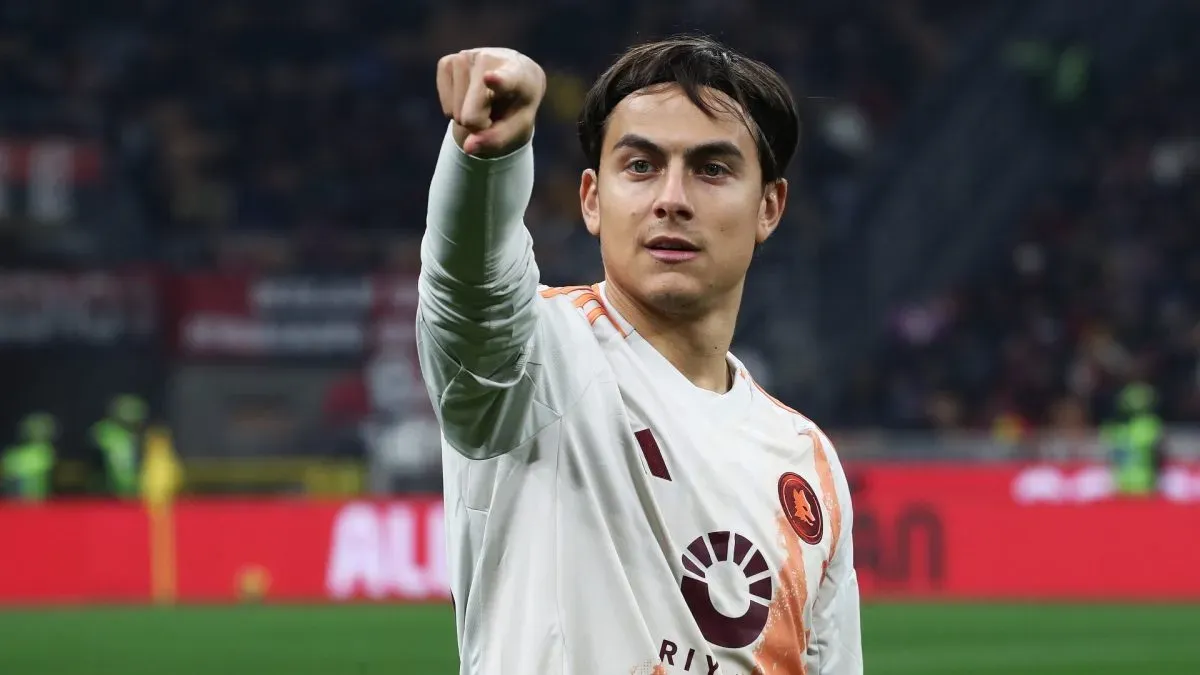
AS Roma star Paulo Dybala.
Boca Juniors moves quietly—but decisively
While uncertainty grows in Italy, movement is already underway in Argentina. Boca Juniors has begun laying the groundwork for what would be one of the most ambitious transfers in South American soccer history. According to journalists Facundo Perez and Gaston Edul, Boca has already prepared a contract for the forward and created the financial space to accommodate his arrival after offloading several high-profile salaries.
If the club situation is complicated, the international calendar is unforgiving. With 2026 drawing closer, Dybala’s key objective is clear: remain visible, fit, and central enough to stay on Lionel Scaloni’s radar. That’s why the idea of a January move — even a dramatic one — is being discussed as a practical decision. The reports suggest the fear is stagnation: fewer minutes in Europe can quickly become fewer opportunities with the national team, especially in a cycle where competition is ruthless, and roles are defined early.
Dybala himself has not shut the door on the idea of returning home. In an earlier interview with Gaston Edul, he acknowledged the possibility in direct terms: “A return to Argentina? Yes… It is an option that I have in mind.” He also referenced the personal pressure coming from a close friend: “Paredes puts pressure on me every day to go to Boca with him… I am keeping the door open for a return to Argentina.”
World Cup logic behind the emotion
At 32, Dybala remains firmly within Argentina’s elite talent pool—but margins are tight. Under Lionel Scaloni, selection has increasingly prioritized rhythm, fitness, and competitive relevance. Regular soccer is no longer optional; it is essential. Returning to his homeland offers him visibility, continuity, and leadership responsibility—three factors that could strengthen his case ahead of 2026.
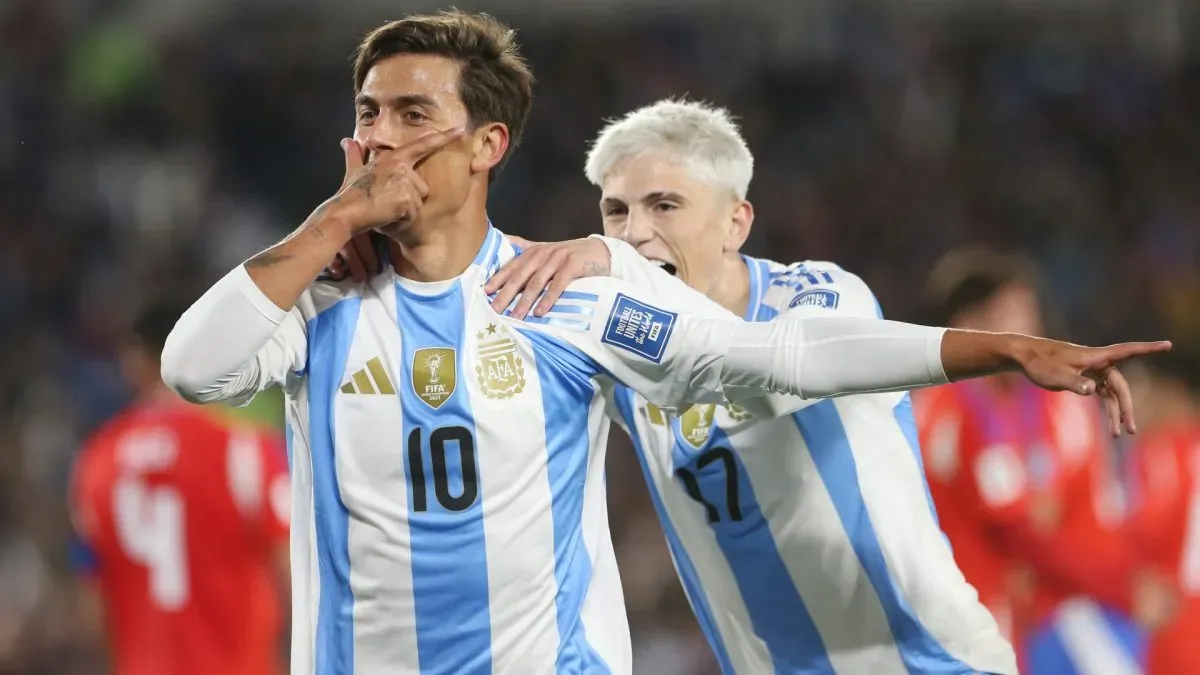
Paulo Dybala of Argentina
Reports from TyC Sports confirm that official inquiries have already been made with the star’s entourage, signaling that Boca’s interest is no longer speculative. January could accelerate the process, even if a summer move remains the most likely outcome.