



For the first time in the competition’s history, the World Cup 2022 is in November.
Traditionally, the World Cup takes place during the summer months of June, July or August. However, once FIFA selected Qatar as the hosts for the 2022 iteration, organizers decided the summer temperatures would be too hot for the World Cup.
To make up for this, FIFA pushed back the World Cup four months. Now, the World Cup runs from Nov. 20 until just before Christmas.
Watch World Cup 2022Includes: FIFA World Cup, Gold Cup + 84 Sports Channels |
7-Day Free Trial |
Why World Cup 2022 is in November
For reference, temperatures in Doha, Qatar, average right around 100 degrees Fahrenheit (38 degrees Celsius). With the sun beating down on players, it would put a strain on their ability to perform.
However, equally important for FIFA, is the consequence for fans. With millions prepared to travel to the small nation, many would not be accustomed to the heat and sun of the Arabian Peninsula. There would, consequently, be health concerns for heat stroke or dehydration.
In the end, FIFA decided to scrap the entire idea of playing in the summer. However, it committed to playing in Qatar nonetheless. Even in November and December, high temperatures can reach around 90 to 95 degrees Fahrenheit (32-35 degrees Celsius). However, highs during the day can also average in the range of 75 degrees Fahrenheit (24 degrees Celsius). While it is a stark range, it is better than the exorbitant heat of the summer.
Consequences for the sport
It does make sense to move the World Cup back to make it cooler for fans and players. However, this brings massive changes for the world soccer calendar.
With the monthlong tournament taking place in November and December, there is a massive hiatus for the club side of the sport. Teams send away players for roughly two months. This jam packs games before the World Cup. Plus, any games that are postponed due to a variety of reasons get bumped back into the new year. The increased strain on players’ bodies with more games could prove damaging when it comes to World Cup play.
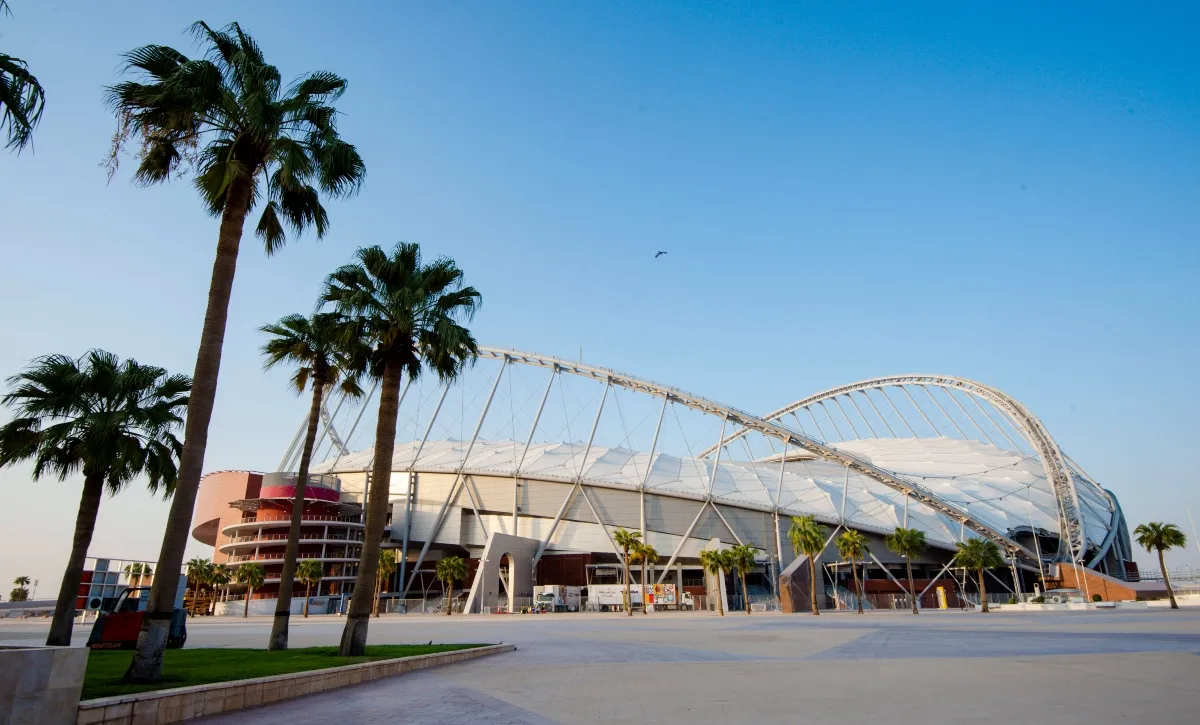
PHOTO: IMAGO / Xinhua