
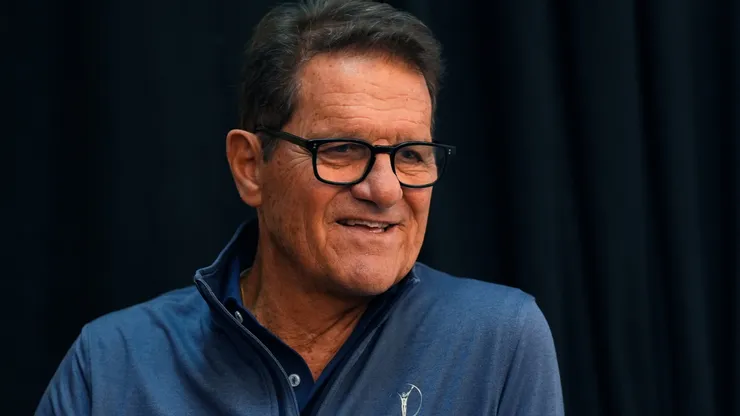
There were important matches during the last international window. However, no team drew more attention than Italy as they tried to qualify for the World Cup against Northern Ireland first and then Bosnia and Herzegovina, which they failed to do. Fabio Capello described the country’s feelings better than anyone.
Capello said in an interview with Marca: “I couldn’t sleep all night; I still can’t believe what happened. We are talking about a four-time World champion. It’s a sports tragedy. It’s embarrassing. It’s some of the worst that has happened to Italian soccer in its recent history.”
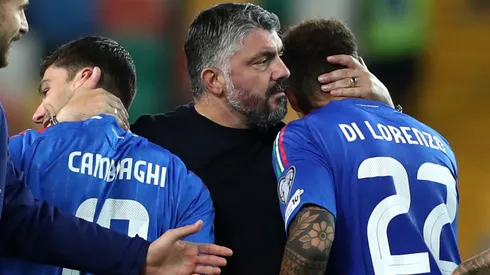
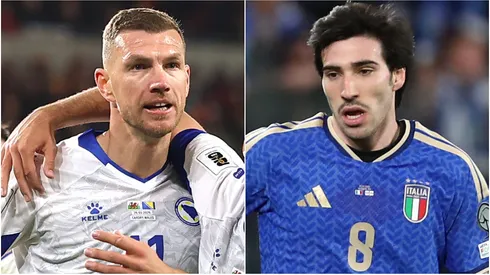
Italy had to go through two rounds to reach the World Cup again for the first time since 2010. They defeated Northern Ireland to face Bosnia and Herzegovina in their final match. Despite taking a 1-0 lead, they allowed the equalizer with a few minutes left after spending most of the match with 10 men following Andrea Bastoni’s red card. The penalties later decided that they would miss the event for the third straight time.
Capello wants a change
The manager has worked at clubs like Real Madrid, Milan and Juventus, so he knows well what should be expected in organizations of that level that aim for the biggest titles in their respective competitions.
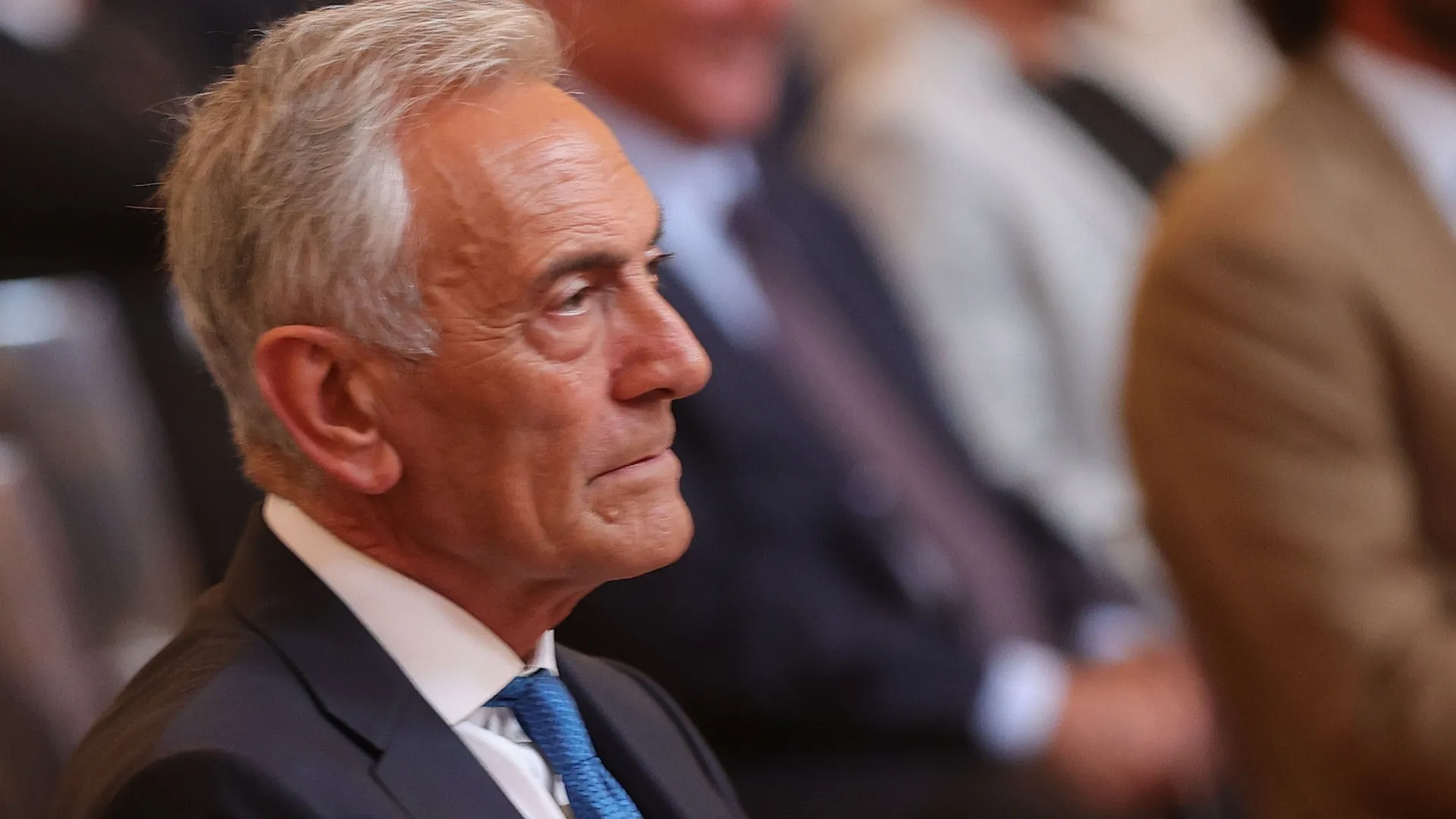
Gavrina presides the FIGC (Gabriele Maltinti/Getty Images)
For Capello, the blame should not fall only on the current manager Gennaro Gattuso or even the players. In his opinion, something must change at the highest levels of the federation.
see also
Italy set unwanted World Cup record by becoming the only champions to miss three tournaments in a row
Capello said: “Here nobody resigns, and that’s the most concerning thing. The first person that should take responsibility is the president of the Federation (Gabriele Gavrina) with the executive directors. The problem isn’t just results, it’s structural.”
Capello on what the elimination means for Italy
Even if this has happened recently as well, missing the World Cup is not taken lightly by the fans. Capello said: “Italy is mourning. For a country so tied to the sport, it’s very hard to accept.”