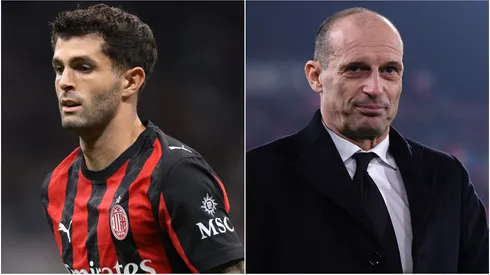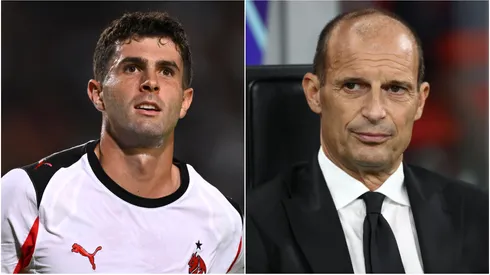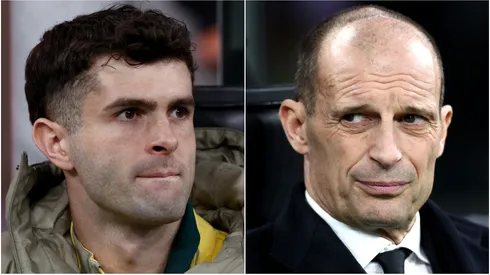




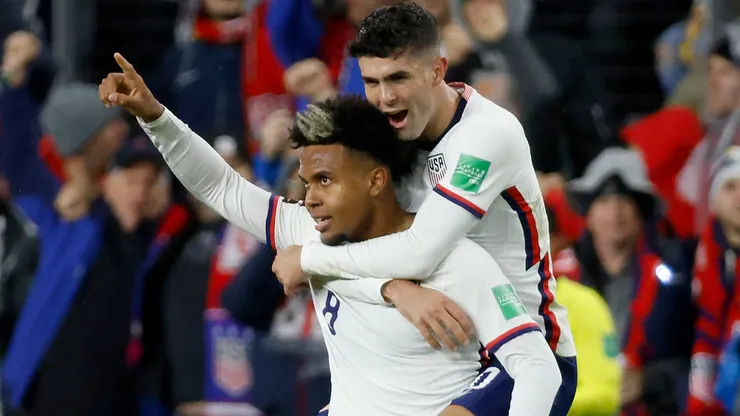
Christian Pulisic and Weston McKennie find themselves watching closely as the situation surrounding the Italy national team continues to unfold, with the players facing potential ripple effects from a deep national crisis. Christian Pulisic remains a central figure for Milan, while McKennie plays a key role for Juventus, placing both players at the heart of a shifting landscape. The growing uncertainty stems from Italy’s failure to qualify for the 2026 World Cup, which has triggered discussions that could reshape the league’s future.
The Italian national team now faces a period of reflection after suffering a historic third consecutive failure to reach the World Cup, a result that has shaken confidence across the entire soccer system. For a nation that once dominated global soccer, the absence from the tournament represents more than just a sporting disappointment; it signals a deeper structural issue. The focus has quickly shifted from short-term fixes to long-term reform.
The Azzurri’s decline has not happened overnight, but rather as part of a prolonged trend stretching back over a decade. Failures in 2018, 2022, and now 2026 underline a systemic issue that goes beyond coaching decisions or individual performances. Structural inefficiencies, outdated development pathways, and financial disparities with other top leagues have all contributed to the current situation.
Past reform attempts, including initiatives led by figures such as Arrigo Sacchi and Roberto Baggio, aimed to modernize player development and coaching systems. However, many of these proposals were never fully implemented, leaving Italian soccer in a state of gradual decline. The result is a talent pipeline that struggles to consistently produce elite-level players for the national team.
The proposal that could change Serie A
Amid this crisis, a significant proposal has emerged that could directly impact players like Christian Pulisic and Weston McKennie. The Italian players’ association, AssoCalciatori, has put forward a plan aimed at addressing the lack of opportunities for domestic players in Serie A, a problem seen as central to the national team’s struggles.
“The federation does not have the legal tools to require that Italians play,” said Umberto Calcagno. “We hope that through political channels, regulations on this matter can be studied. But let it be clear, this is not a war on foreigners.”
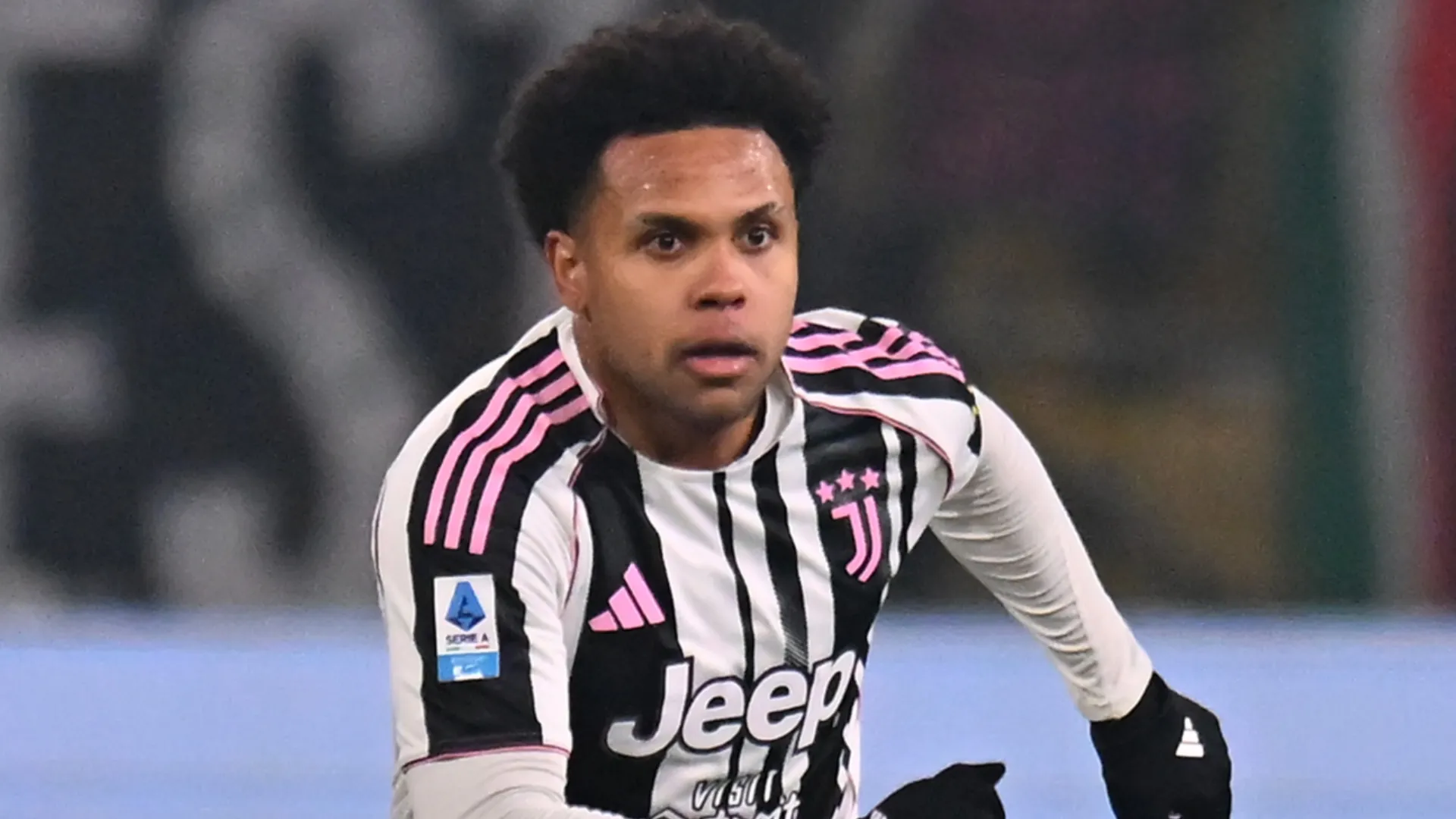
Weston McKennie of Juventus in action during the Serie A match.
This statement highlights the delicate balance the proposal seeks to strike. The intention is not to exclude foreign players, but to ensure that Italian talent receives sufficient playing time to develop, thereby strengthening the national team in the long term.
League dominated by foreign influence
One of the most striking examples of the issue comes from within Serie A itself, where some clubs have relied almost entirely on foreign players. In extreme cases, Italian outfield players have barely featured at all, underlining the scale of the imbalance within the league. This trend has raised serious concerns about the sustainability of Italy’s soccer ecosystem.
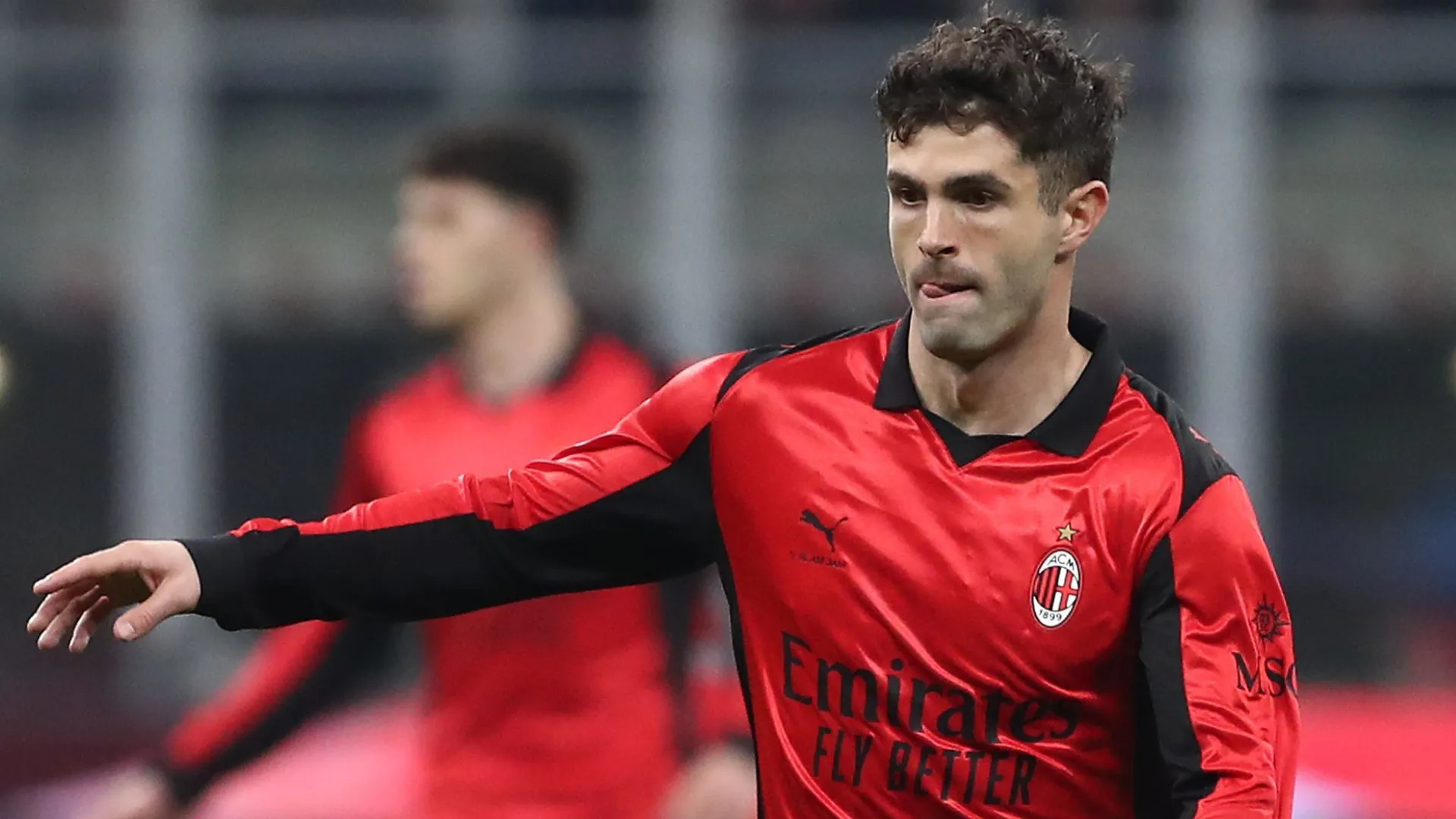
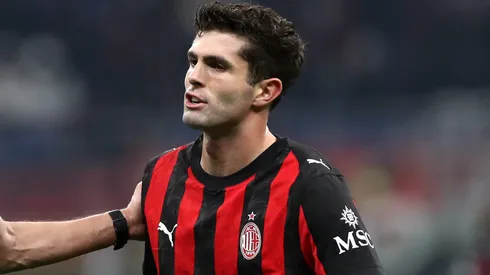
Christian Pulisic of AC Milan in action during the Serie A match between AC Milan and Parma Calcio 1913
For players like Lautaro Martinez, Nico Paz, as well as the USMNT duo, any regulatory change could alter squad dynamics, selection priorities, and even long-term career prospects. While none of the players are directly targeted, the broader shift toward prioritizing domestic talent could reshape opportunities for foreign stars across the league.