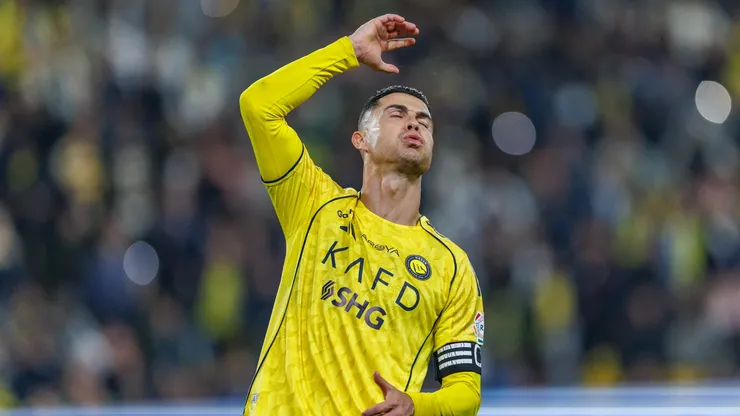
Cristiano Ronaldo’s future could once again become a central talking point, as major structural changes begin to unfold behind the scenes in Saudi soccer. While the spotlight remains on the superstar forward, developments involving the powerful Public Investment Fund (PIF) are quietly reshaping the landscape around him and his club.
The focus remains on the uncertainty surrounding the league’s biggest institutions, with Al-Nassr continuing its push at the top while navigating off-field questions. The club has been one of the primary beneficiaries of state-backed investment in recent years, attracting global icons and elevating its international profile. However, a deeper transformation is now underway, one that could redefine how these clubs operate moving forward.
According to Saudi journalist Waleed Alfarraj, the Public Investment Fund is accelerating its exit from the four major Saudi Pro League clubs it controls. This move is not sudden, but rather part of a long-term plan designed from the very beginning of the investment project. The clubs involved—Al-Nassr, Al-Hilal, Al-Ittihad, and Al-Ahli—have all played a key role in raising the league’s global status.
The strategy aligns with broader ambitions from the Saudi Ministry of Sport, which aims to transition these institutions toward private ownership, whether domestic or foreign. After years of heavy financial backing that helped secure major milestones such as the 2034 FIFA World Cup hosting rights, the next phase focuses on sustainability and independence. This shift signals a new era, where clubs are expected to operate with greater autonomy and identity.

League transformed by investment
The initial involvement of the Public Investment Fund brought rapid transformation to Saudi soccer. High-profile transfers, improved infrastructure, and increased competitiveness elevated the league’s global appeal. Clubs like Al-Nassr became symbols of this new ambition, attracting elite players and competing at a higher level than ever before.
However, with success came new challenges, including questions about governance, competitive balance, and long-term sustainability. Alfarraj emphasized that returning clubs to independent management could restore their unique identities, which had previously been a defining feature of the league. At the same time, he warned that ignoring calls for structural reform could have consequences, particularly for the national team ahead of the 2026 World Cup.
What this means for Ronaldo and Al-Nassr
The deeper implications of this shift begin to emerge when examining how it affects Cristiano Ronaldo and Al-Nassr. The transition toward private ownership is expected to bring short-term financial challenges but long-term strategic benefits, particularly in terms of fan engagement and club identity.
In fact, it’s expected that clubs may suffer financially, but supporters will benefit as club management would return to the supporters. Since the four clubs are private, investors will continue to make investments, and everything will stay the same.
This suggests that while funding structures may evolve, the overall ambition of the clubs is unlikely to diminish. For Ronaldo, this could mean operating in a more independently run environment, where decision-making is less centralized and more tailored to each club’s vision.
Ronaldo and his previous tensions with PIF
The current developments also bring renewed attention to Ronaldo’s past frustrations with the Public Investment Fund. Earlier in January, the Portuguese star made headlines by refusing to play in matches despite being fit, in what was widely interpreted as a protest against how the fund managed club investments.
His concerns reportedly centered on perceived inequality in transfer spending, with rival clubs strengthening significantly while Al-Nassr made limited additions. There were also issues related to internal governance, as key decision-makers within the club were said to have lost influence under centralized control.
The situation escalated quickly, drawing responses from both the league and the fund. Eventually, an agreement was reached, with reports indicating that Ronaldo’s key demands—such as improved financial clarity and restored management autonomy—were addressed. His return to action in February marked the end of a brief but highly significant standoff.
200+ Channels & Local Sports
- Price: Plans starting at $14.99/mo (Latino)
- Watch Ligue 1, Copa Libertadores & World Cup Qualifiers
Every MLS Match in One Place
- Price: $12.99/mo (Now included with standard subscription)
- Watch every MLS regular season game, Playoffs & Leagues Cup
Many Sports & ESPN Originals
- Price: $11.99/mo (or ESPN Unlimited for $29.99/mo)
- Features LaLiga, FA Cup & NWSL
2,000+ Soccer Games Per Year
- Price: Starting at $8.99/mo
- Features Champions League, Serie A & Europa League
Home of the Premier League
- Price: Starting at $10.99/mo
- 175+ Exclusive EPL matches per season