The recently concluded FIFA Club World Cup in the United States offered a troubling preview of what players and fans may face during the 2026 World Cup, which the U.S. will co-host with Mexico and Canada. With global temperatures on the rise, scientists are warning that summer tournaments in the Northern Hemisphere are becoming increasingly dangerous for everyone involved.
Some experts now suggest that FIFA should consider shifting the football calendar to mitigate the risks of heat-related illnesses. “As we move further into the decade, the risks will continue to grow unless we take drastic measures, such as moving competitions to winter months or cooler regions,” said Professor Piers Forster, director of the Priestley Centre for Climate Futures in Leeds. “We’re potentially one heatwave away from a major sports tragedy.”
From the inaugural 1930 World Cup onward, June and July have traditionally been reserved for international tournaments. But summers have warmed dramatically—up by 1.89°F globally and 3.26°F in Europe since the 1990s—raising red flags for outdoor, high-intensity sports like soccer.
FIFA adapts to heat
During the expanded Club World Cup, held in 11 U.S. cities from June 14 to July 13, extreme heat and thunderstorms disrupted matches. FIFA responded with updated extreme heat protocols, including extra water breaks, sideline fans, and shaded benches. Still, Chelsea midfielder Enzo Fernández said he felt dizzy from the heat and urged FIFA to avoid afternoon kickoffs during the World Cup.
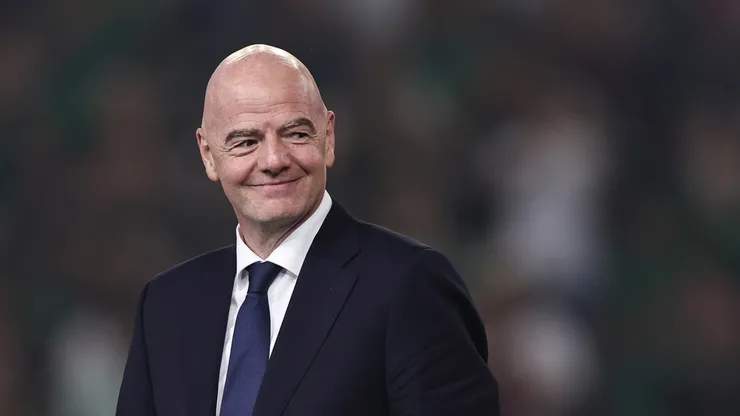
FIFPRO, the global players’ union, has flagged six of the 16 World Cup host cities as “extremely high risk” for heat stress. FIFA President Gianni Infantino recently assured that covered stadiums would host daytime matches in 2026.
Looking ahead, the 2030 World Cup—co-hosted by Spain, Portugal, and Morocco—may face even greater heat challenges, with temperatures already surpassing 104°F this summer. FIFA’s internal reports have downplayed the threat, but climate experts disagree.
Physical toll of extreme heat
Playing 90 minutes under direct sunlight can trigger hyperthermia, cardiovascular strain, heat exhaustion, or even life-threatening heatstroke. “Athletes are now 28% more exposed to moderate or higher heat risks than in the 1990s,” said Professor Ollie Jay from the University of Sydney.
While adjusting match times to cooler hours is common in marathons or tennis, morning games are rare in soccer due to broadcasting demands. But with 48 teams in 2026, avoiding midday matches may be impossible.
FIFA’s decision to shift the 2022 World Cup in Qatar to November was a rare exception. A similar move is expected for Saudi Arabia in 2034. Still, rescheduling tournaments disrupts European club seasons, making such changes logistically complex.
“The danger goes beyond discomfort,” said climate scientist Michael Mann. “It reflects how climate change is fundamentally reshaping our way of life—even the world’s most popular sport.”
200+ Channels & Local Sports
- Price: Plans starting at $14.99/mo (Latino)
- Watch Ligue 1, Copa Libertadores & World Cup Qualifiers
Every MLS Match in One Place
- Price: $12.99/mo (Now included with standard subscription)
- Watch every MLS regular season game, Playoffs & Leagues Cup
Many Sports & ESPN Originals
- Price: $11.99/mo (or ESPN Unlimited for $29.99/mo)
- Features LaLiga, FA Cup & NWSL
2,000+ Soccer Games Per Year
- Price: Starting at $8.99/mo
- Features Champions League, Serie A & Europa League
Home of the Premier League
- Price: Starting at $10.99/mo
- 175+ Exclusive EPL matches per season