At the start of the 2011-2012 season, Manchester United were running rampant over their opponents. Beginning with their US Tour, the club were not only beating the competition, at times they were displaying an attacking flair which was rarely seen in soccer.
The highlights of the early campaign were: a 3-0 win over Spurs, a 5-0 defeat of Bolton, a 3-1 victory over Chelsea and an astounding 8-2 defeat of Arsenal.
United opened the season with six wins and two draws before Manchester City strolled into Old Trafford and handed the then-champions of England a 6-1 defeat in front of their stunned home supporters.
While the defeat to City was a surprise to most United fans, there were many who had seen the trouble signs leading up to the match, despite Sir Alex Ferguson’s side getting off to such a strong start.
Although United were beating teams with attacking-flare and creating weekly highlight-caliber goals, they were conceding plenty of chances to their opponents during those victories and were actually fortunate not to have tasted defeat early in the season.
After the 6-1 loss to Manchester City, Ferguson decided to pull the reins back on United’s attack and elected to switch to a more defensive approach. What followed were five successive matches were United would only scored once in each contest.
They would win four and draw once while only outscoring their opponents 5-1 during that stretch of five league matches. The thought process behind the manager’s decision was that his side had become to “open” and needed to find a “balance” between attack and defense.
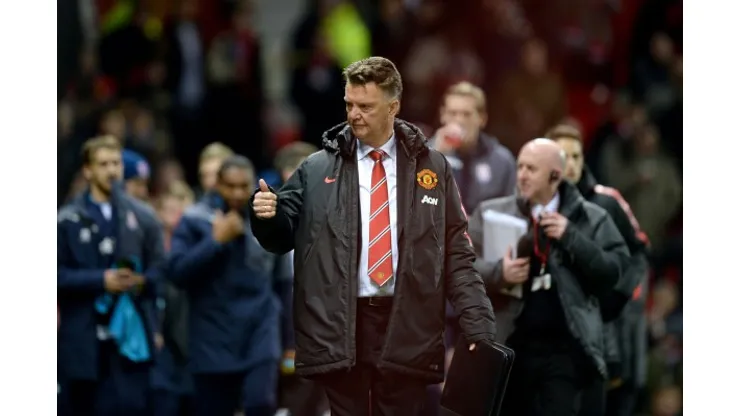
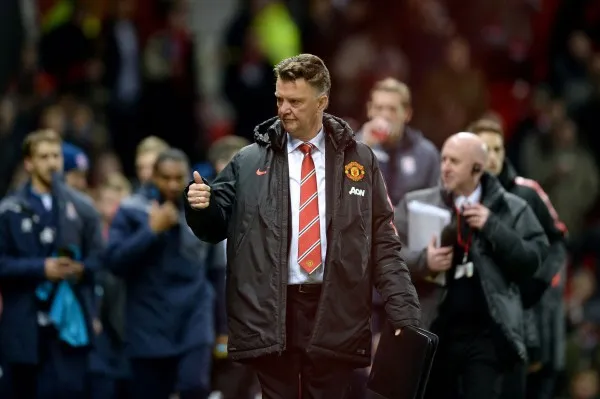
Fast forward to today and current United manager Louis van Gaal is also searching for a similar “balance”.
Since Manchester United’s defeat to a resurgent Southampton eight days ago at Old Trafford, Louis van Gaal has come under increasing criticism from the press, pundits and some of his own supporters. The manager’s team selection and decision to stick to a 3-5-2 formation has been roundly attacked by fanatics and soccer experts, despite the fact that United had gone the previous ten matches undefeated before the 1-0 loss to the Saints.
The focal point of the negative attention was the lack of goals produced by United during their unbeaten run.
That criticism hits its heights when Van Gaal omitted striker Radamel Falcao from the matchday squad and his side subsequently failed to register a single shot on goal during the defeat to Southampton – although the fact that Juan Mata missed two clear chances to tie the contest went largely unmentioned by those unhappy with the manager’s team selection and formation.
To the relief of disgruntled supporters, an injury to Robin van Persie saw Falcao return to the United lineup this weekend against Queens Park Rangers. But after a lackluster first half, fans in the stands and on social media turned their attentions back to Van Gaal’s decision to persist with a 3-5-2 formation. “Attack, attack, attack!” and “4-4-2!” were the cries from the stadium and on Twitter.
The fans were “rewarded” when a halftime substitution saw Marouane Fellaini replace Juan Mata and Van Gaal elected to change shape into a “diamond” in the midfield which saw United create more clear chances and eventually crack QPR’s defense.
While the game became more open on both ends, fans were pleased by United’s return to a more familiar attacking style and were provide their ‘I told you so’-moment when forward James Wilson sealed the road victory with a 94th minute strike and gave the team a 2-0 victory – only QPR’s third defeat at home of the season.
Following the match, Van Gaal was asked about his change of formation and whether or not he would return to the 3-5-2 in the future. The Dutchman defended his decision and insisted that he would continue to search of “balance” in his squad, which he feels is better provided when he elects to play United with three centre-backs in defense.
While Van Gaal’s 3-5-2 formation has come under attack this season, what can’t be argued is that the manager has found a way to keep United in matches despite the fact that his team has been devastated by injuries and lacks quality options in defense.
Before the start of the 2014-15 campaign, pundits came to the universal conclusion that United fans were likely to see some crazy scorelines over the course of the season due to the club’s inability to bolster its defense during the summer window. And following early defensive performances – which bordered on comical at times – United were not disproving the pundits theories.
While Van Gaal navigated his injury crisis and searched for balance in the squad, United sputtered to open the season and were dealt two early hammer blows when they were knocked out of the Capital One Cup by MK Dons (a 4-0 defeat) and were beaten 5-3 by Leicester City in the Premier League.
It was following the defeat to Leicester City that Van Gaal decided to scrap his latest formation (the “diamond”) in order to provide more protection for his overwhelmed defenders. The manager began to tighten things up and ask his more attack-minded players to put in a shift in defense.
What followed were nervy-wins over West Ham and Everton at home – with United coming literally inches away from seeing late equalizers in both matches – followed by a draws to West Brom (away) and Chelsea (home).
Then Van Gaal elected to return his side to a 3-5-2 formation against Arsenal. While United were blitzed by the Gunners during the opening 15-20 minutes, Arsene Wenger’s side failed to take advantage of their early advantages and ultimately fell at home following late-goals from Wayne Rooney and Angel di Maria.
United would win their next four league matches utilizing the Dutchman’s widely-scrutinized formation, with another shaky-defensive effort against Liverpool thrown into the mix.
The next four matches would see United win once and draw three, before they were ultimately defeated eight days ago by Southampton.
While Van Gaal’s team selection and persistence to play a 3-5-2 will continue to come under scrutiny, what has to be respected is that the manager has found a way to navigate United into the top four in the league despite having to play a large chunk of the schedule with midfielders and teenagers in defense.
United have currently conceded the 21 goals in 22 league matches, only Southampton (16) and Chelsea (19) have conceded less. The majority of that success is a credit to the world class displays of goalkeeper David de Gea. But Van Gaal deserves recognition – and not constant scrutiny – for trying to find ways to offset his side’s defensive fragility.
The Dutchman could very easily say: “F**k it. Let’s just go for goals”, and leave his vulnerable defense completely exposed to an opponent’s attack. But that wouldn’t be in the best interest of the club in the long run.
While the “diamond” plays more to United’s attacking qualities, it exposes their defensive shortcomings. So Van Gaal will pick and choose when to utilize that formation.
Some fans are calling for Van Gaal to adopt some (or all) of Sir Alex Ferguson’s attacking philosophy. But their memories are short-term because there were plenty of times over the course of his career when the legendary United boss pulled the reins back on his attacking side in a search for a more balanced performance.
Van Gaal is searching for that same balance.
200+ Channels & Local Sports
- Price: Plans starting at $14.99/mo (Latino)
- Watch Ligue 1, Copa Libertadores & World Cup Qualifiers
Every MLS Match in One Place
- Price: $12.99/mo (Now included with standard subscription)
- Watch every MLS regular season game, Playoffs & Leagues Cup
Many Sports & ESPN Originals
- Price: $11.99/mo (or ESPN Unlimited for $29.99/mo)
- Features LaLiga, Bundesliga, FA Cup & NWSL
2,000+ Soccer Games Per Year
- Price: Starting at $8.99/mo
- Features Champions League, Serie A & Europa League
Home of the Premier League
- Price: Starting at $10.99/mo
- 175+ Exclusive EPL matches per season